
2 July in UK History: Dates, Memory and Records
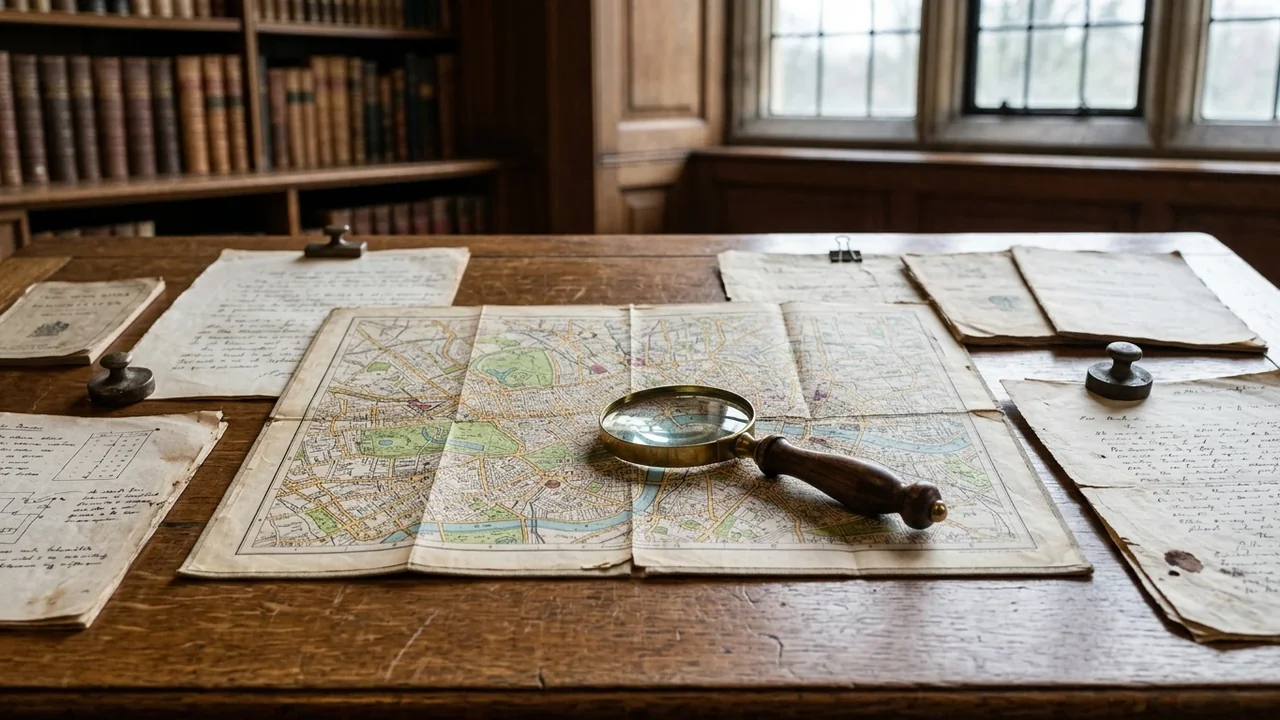
Public anniversaries rarely survive because a date is tidy. They survive because records, institutions and repeated civic use keep returning people to the same day. 2 July is a useful example: it reaches from Parliament and civil war to science, protest, culture and local remembrance, showing how a calendar entry becomes part of public memory.
For UK readers, the date is not a single national anniversary. It is a reminder of how history is checked. Some events sit in parliamentary records, some in government archives, some in local collections, and some in cultural memory because later generations found them useful to mark again.
A Short Timeline For 2 July
- 1644: The Battle of Marston Moor was fought near York during the Wars of the Three Kingdoms. Parliamentarian and Scottish Covenanter forces defeated the Royalists, changing the balance of the English Civil War in the north.
- 1698: Thomas Savery received a patent for an early steam-powered pumping engine. It belongs to the long prehistory of Britain’s industrial age, even though later engineers refined steam power far beyond Savery’s design.
- 1964: The US Civil Rights Act was signed by President Lyndon B. Johnson. It was an American law, but its timing matters to UK readers because civil rights debates, anti-discrimination law and public campaigning travelled across the Atlantic in the same wider period.
- 2005: Live 8 concerts took place, including the major Hyde Park event in London. The date remains part of UK cultural memory because music, campaigning and international politics met in a public, televised setting.
Why Marston Moor Still Matters In British Public Memory
The Battle of Marston Moor was not simply a military episode. It was part of a wider constitutional and political crisis over monarchy, Parliament, religion and armed authority. That is why the date still matters beyond battlefield history.
Read also: Steve Hackett brings Genesis classics to York on 23 October
On 2 July 1644, the Royalist army in the north suffered a major defeat near York. The result strengthened Parliament’s position and helped alter the course of the civil wars. For modern readers, the anniversary is a way into bigger questions: who had authority, how kingdoms were governed, and why conflict between crown and Parliament became impossible to contain.
The date also shows why public memory depends on place. Marston Moor is not only a line in a national timeline. It is tied to Yorkshire landscapes, local heritage interpretation and the way communities remember national conflict through nearby fields, roads and memorial markers.
UK Parliament’s living heritage resources are useful here because they place parliamentary history in a long public story rather than treating it as a list of Acts and buildings. The National Archives matters for the same reason: government records help readers test claims against preserved documents instead of relying on attractive anniversary posts.
A Science Date With Industrial Consequences
Thomas Savery’s 1698 patent is a quieter kind of anniversary. It does not have the battlefield drama of Marston Moor, but it helps explain how dates enter historical literacy through invention, administration and later hindsight.
Savery’s steam device was designed to raise water, especially in mining contexts. It was limited, and it was not the same as the later engines associated with Thomas Newcomen or James Watt. Its importance is that the patent marks an early official record in the development of steam technology.
That distinction matters. A patent date is not the same as the date an invention transformed daily life. Public history often compresses invention into a single moment, but technology usually changes society through a chain of experiments, business decisions, failures, improvements and adoption.
For UK history, Savery’s anniversary is useful because it connects paperwork to machinery. A preserved patent can become a public memory point because it gives historians a firm date for a technical idea that later sat inside a much larger industrial story.
A Global Date With UK Relevance
The signing of the US Civil Rights Act on 2 July 1964 was not a British event. It belongs first to American legal and political history. But it remains relevant to UK readers because public memory does not stop at national borders.
The 1960s were also years of argument and legislation in Britain over race, immigration, discrimination and citizenship. The UK’s Race Relations Acts came in a different legal and political setting, but the wider public language of rights, equality and protest was international.
This is where anniversaries can be useful if handled carefully. The point is not to claim that one country’s law directly caused another’s. The point is to see how the same date can open a wider conversation about democratic pressure, legal reform and the limits of formal equality.
A good today-in-history entry should make that boundary clear. It can connect the American anniversary to British debates, but it should not blur jurisdictions or turn comparison into causation.
How Culture Keeps A Date Alive
Live 8 on 2 July 2005 shows another route into public memory. The London concert in Hyde Park was part of a wider international series linked to campaigns around poverty and global debt before the G8 summit at Gleneagles.
Unlike a statute or a battle, a cultural anniversary often survives through images, broadcasts, playlists and personal memory. Many people remember where they watched it, which performers appeared, or how celebrity campaigning was discussed at the time.
That does not make the date less historical. It means the evidence is different. A cultural anniversary should be checked through contemporary reporting, broadcast records, organisers’ material and later archive collections. Memory can point to the event, but records still have to carry the claim.
How To Check A Date-Based History Claim
Dates become misleading when they are repeated without context. A reader can make a quick judgement by asking four questions:
- Is the event tied to a primary record, such as an Act, patent, court paper or official archive?
- Is the place clear enough to verify, rather than vaguely national?
- Does the anniversary confuse a decision date, publication date, battle date or later commemoration date?
- Does the claim explain why the event matters, rather than merely saying it happened?
For UK material, UK Parliament’s heritage pages and The National Archives are sensible starting points. They do different jobs. Parliament helps explain the institutional story of law, representation and political change. The National Archives preserves and provides access to government records and historical resources.
Why 2 July Still Appears In Public Life
2 July appears in public life because it gives different institutions a handle on different kinds of history. Parliament can use dates to explain constitutional change. Archives can use them to point readers towards records. Local historians can use them to connect national events to place. Cultural writers can use them to revisit moments when public attention gathered around a shared broadcast or campaign.
The best use of a date is not nostalgia. It is orientation. A day such as 2 July helps readers move between a battlefield near York, a patent linked to early steam power, a landmark civil rights law in the United States and a London concert remembered through modern media culture.
The next useful check is not whether a date sounds familiar. It is whether the claim can be traced to records, named people, named places and a clear explanation of why the anniversary still matters.
Source: UK Parliament
Context & actions About this article
Source check Source context
This article uses public historical context and points readers to UK Parliament heritage material and The National Archives for record-based checking.
- Check UK Parliament living heritage resources for parliamentary history.
- Check The National Archives for preserved UK government records.
- Treat local and cultural anniversaries as claims that need named records or contemporary r...
- Source
- UK Parliament
- Scope
- United Kingdom
- Updated
- 2026-07-07 18:34
Source check
Report a trust issue
Send a clear signal to community moderation if the source, facts or context need review.




Comments