
Airspace Threat Ends in Krāslava as Schools and Services Reopen
The Latvian National Armed Forces (NBS) have officially announced that the immediate threat to the airspace over the Krāslava region has concluded as of early Friday morning. Following an update issued at 06:43 on May 15, 2026, the local Civil Protection Commission has begun the process of transitioning public services back to their standard operational modes. While the specific nature of the threat remains under the purview of military intelligence, the lifting of the alert marks a significant relief for a region situated on the sensitive eastern flank of the European Union.
Restoration of Educational and Municipal Services
The initial alert, which triggered an immediate shift to emergency protocols, had forced schools across the Krāslava municipality to move to remote learning for the day. With the threat now neutralized, the local government has clarified the status of various institutions. While schools had already prepared for a day of digital instruction, the end of the alarm means that kindergartens are permitted to resume physical operations immediately, though parents are advised to check with individual facilities for specific intake times.
Municipal employees, who were previously instructed to work remotely in a “duty mode” to ensure the continuity of essential services, are now coordinating the return to physical offices. Residents who were initially told to stay home or seek guidance from their employers are being advised to maintain contact with their workplaces for specific instructions regarding the remainder of the working day. Notably, throughout the duration of the airspace alert, the regional hospital remained fully operational, maintaining its standard working regime to ensure that emergency medical care was never compromised during the high-alert period.
Regional Security and the Border Context
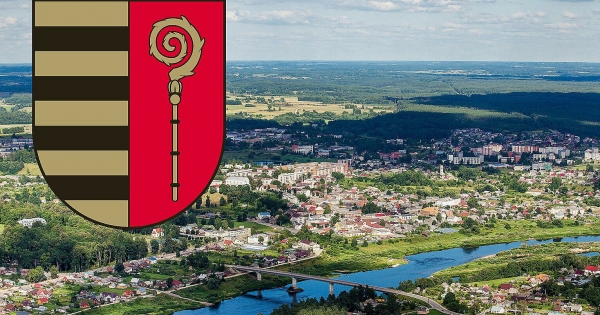
Krāslava’s location in the Latgale region, bordering Belarus and in close proximity to the Russian frontier, places it in a high-readiness zone for civil protection. Airspace violations or perceived threats in this corridor are treated with the highest level of gravity by the Latvian Ministry of Defence and NATO allies. The rapid activation of the Civil Protection Commission highlights the established protocols Latvia has refined over recent years to protect civilian populations during periods of heightened regional tension. This incident serves as a stark reminder of the logistical challenges faced by border communities when geopolitical security overlaps with daily life.
The National Armed Forces have indicated that further details regarding the origin and nature of the airspace threat will be disseminated through their official social media channels, specifically the “Latvijas armija” accounts. This transparency is part of a broader strategy to combat misinformation and provide the public with verified security data in real-time. For international observers, this incident underscores the persistent state of alert maintained by Baltic nations as they navigate complex security dynamics on the EU’s eastern border.

Guidance for Residents and Ongoing Monitoring
While the immediate danger has passed, the Krāslava municipality continues to urge a degree of caution as services reset. Residents are encouraged to stay in touch with their family doctors for any health-related concerns that may have arisen during the period of heightened stress or restricted movement. The local authorities have emphasized that while the “all-clear” has been given, the transition back to normalcy will be managed carefully to ensure all safety protocols were followed during the initial lockdown phase.
The next milestone for the region will be the comprehensive debrief from the National Armed Forces, which is expected to clarify whether the threat was a technical intrusion, a military provocation, or a precautionary measure triggered by unidentified aerial phenomena. Until then, the municipality remains in a state of heightened awareness, ready to reactivate emergency measures should the security situation shift once more. Local residents are advised to keep their notification systems active and stay tuned to official government broadcasts for any secondary updates.
Source: Krāslavas novada pašvaldība



Comments