
Bootle neighborhoods transformed by new ‘whole street’ safety plan
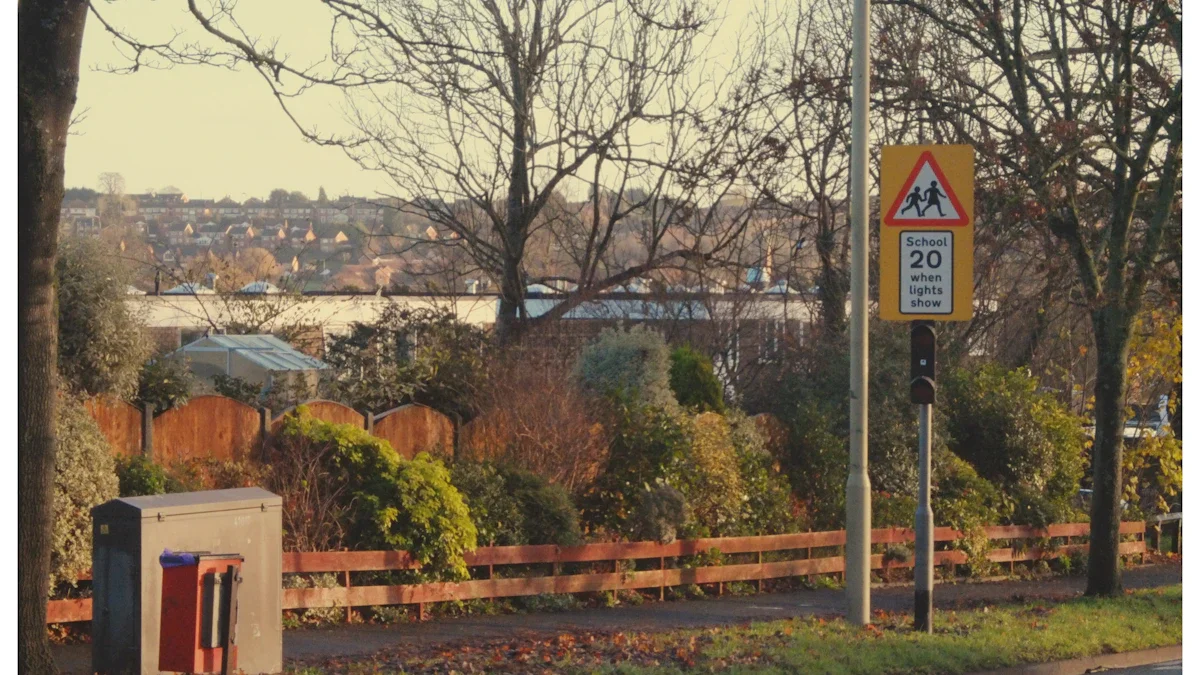
Families across the North Park area of Bootle are seeing a fundamental shift in how the daily school run is managed. Rather than focusing solely on the road immediately outside school gates, Sefton Council has implemented a “whole neighbourhood” strategy covering 2.5 square kilometres. This initiative, developed alongside the Walk Wheel Cycle Trust, aims to reclaim residential streets for pedestrians and cyclists while maintaining access for essential traffic.
This expanded approach acknowledges that a child’s journey to school begins long before they reach the front gate. By looking at the wider North Park area, which encompasses five primary schools and three community groups, the local authority is attempting to solve congestion and safety issues that traditional, single-street closures cannot address.
Key points of the neighbourhood initiative
- Geographic Scope: A 2.5 sq km zone in Bootle North Park focusing on five different primary schools.
- Infrastructure Upgrades: Installation of better bike shelters, more seating, and improved street lighting.
- Traffic Management: Introduction of reduced speed limits and parking restrictions in high-risk areas.
- Park and Stride: Free parking provided at a nearby leisure centre during drop-off and pick-up times to reduce car density near classrooms.
- Community Aesthetics: Commissioning of a pupil-led mural to brighten the walking route.
Expanding safety beyond the school gates in Bootle
The North Park project serves as a blueprint for Sefton Council’s move away from isolated School Streets. While the national School Streets initiative typically involves closing a single road to motor vehicles during peak hours, many schools in the region are situated on busy main roads where total closures are impractical.
Read also: Tour de France route heads through Liverpool on 3 July
To navigate these logistical hurdles, the Highways Team conducted extensive community engagement. This included classroom workshops, pop-up events at school gates, and drop-in sessions for residents. The feedback led to a broader list of requirements, ranging from the removal of dog fouling and more bins to the installation of greenery and safer crossing points. This data-driven approach ensures that the changes benefit the entire community, not just those with children of school age.
Addressing the limitations of traditional School Streets
Helen Cumiskey, Principal Strategic Infrastructure Planner at Sefton Council, noted that while active travel has clear benefits for physical health and classroom focus, the practicalities of traffic restrictions are often complex. The neighbourhood approach provides the flexibility to introduce measures that work for specific topographies. For example, where a road closure is impossible, the council can instead focus on widening pavements or improving the visibility of crossings.
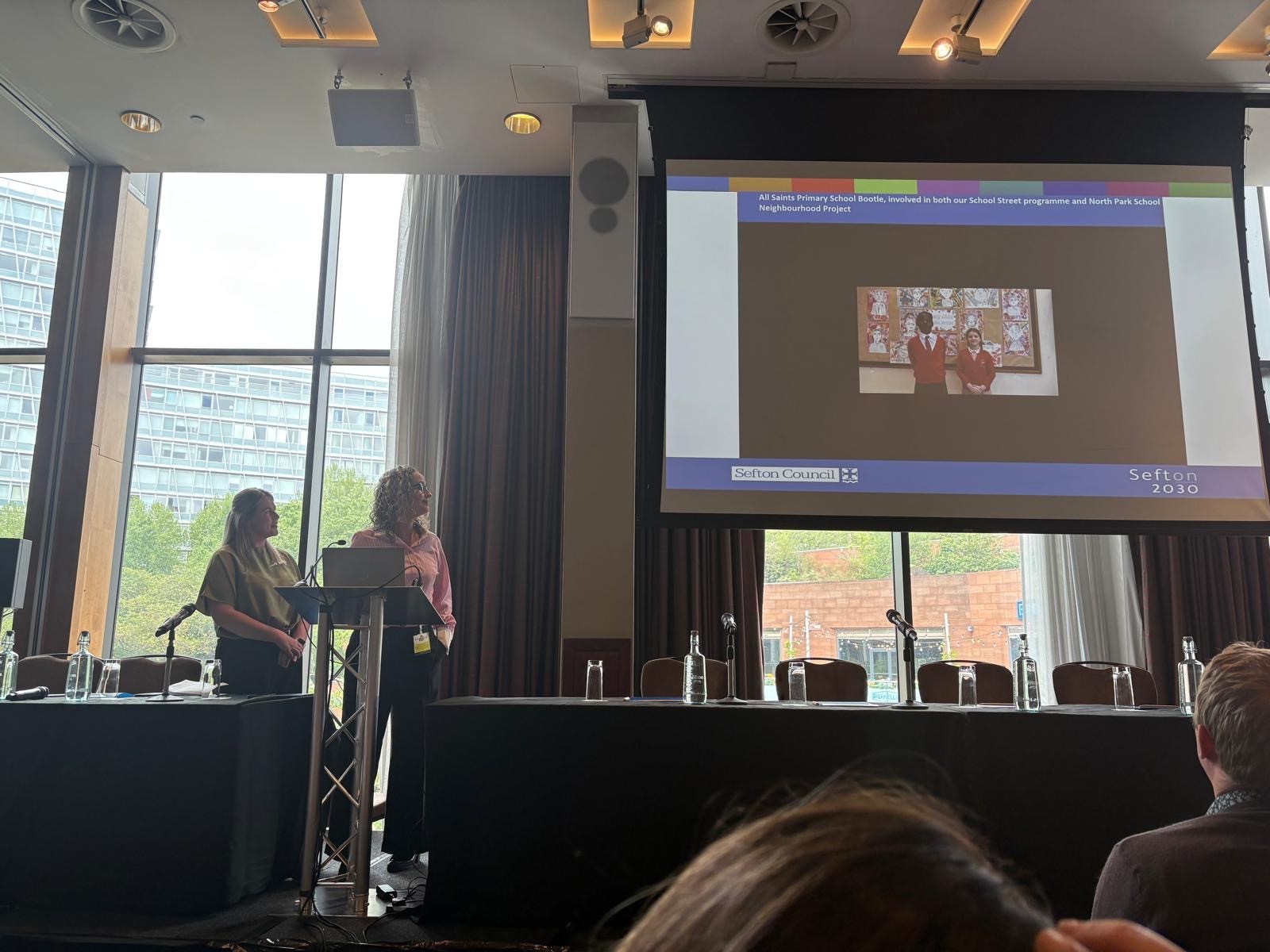
Sam Turner, the School Neighbourhoods Officer, emphasized that pupils often feel safer directly in front of their school where restrictions exist, but remain vulnerable on the rest of their commute. The current strategy in Bootle aims to close that safety gap by looking at the journey as a whole. By providing free parking at a local leisure centre, the council is actively encouraging parents to drive most of the way but walk the final leg, effectively thinning out traffic in the immediate vicinity of the five schools.
Upcoming infrastructure and community art projects
The project is entering a new phase of delivery throughout 2026. Residents can expect to see the installation of several improved crossings designed to prioritize pedestrians at key junctions within the North Park zone. These physical changes are being paired with cultural initiatives, such as a new mural created by a local artist in collaboration with students.
This pupil-led artwork is intended to create a sense of ownership among the younger generation, making the walk to school a more engaging experience. The Sefton Council Highways Team recently presented these findings at the School Streets North: 2026 conference in Liverpool, where the model was highlighted as a potential standard for other authorities across the North of England. The focus remains on creating a cleaner, greener environment where walking, wheeling, or cycling becomes the natural choice for the morning commute.
Source: Sefton Council



Comments