
Cambridge tool helps parents face a child’s ICU crisis

By the Beehiveweb.co.uk UK News Desk | 4 August 2026
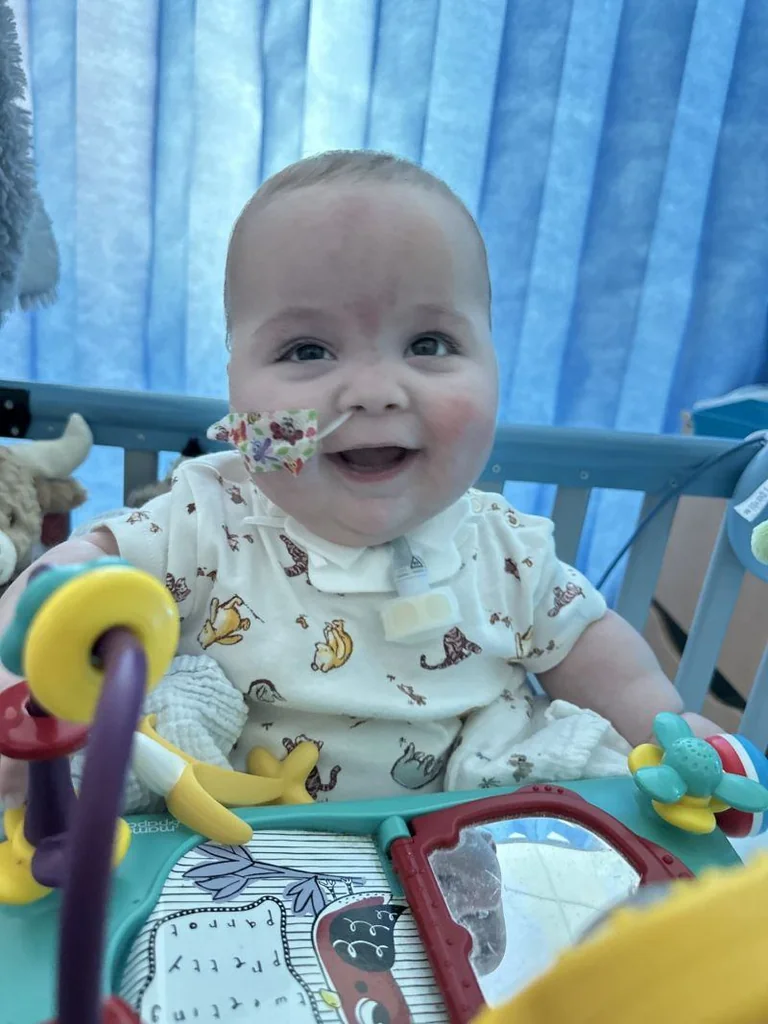
Seven-month-old Teddy Wroe now sleeps in a specialist cot in his family’s lounge after spending most of his life in the Paediatric Intensive Care Unit at Addenbrooke’s Hospital. His return home requires round-the-clock care, supported by a live-in nurse, but it marks a new stage after months in which clinicians saved his life several times.
During that uncertain period, Teddy’s parents, Claire and James Wroe, used My PICU Story, a digital tool developed by Cambridge clinicians to give families practical information and emotional support from the beginning of a child’s intensive-care admission.
Cambridge University Hospitals published details of the project on 4 August 2026. The app is available through the Apple App Store and Google Play.
Teddy’s family used the app through seven months in PICU
Teddy was born with an ultra-rare genetic condition affecting bone growth. He was taken to Addenbrooke’s emergency department in November 2025 after developing breathing problems and spent five days on a ventilator.
Doctors diagnosed a collapsed airway, and Teddy later required a tracheostomy to help him breathe through his neck. He also experienced seizures, while an MRI scan confirmed brain damage.
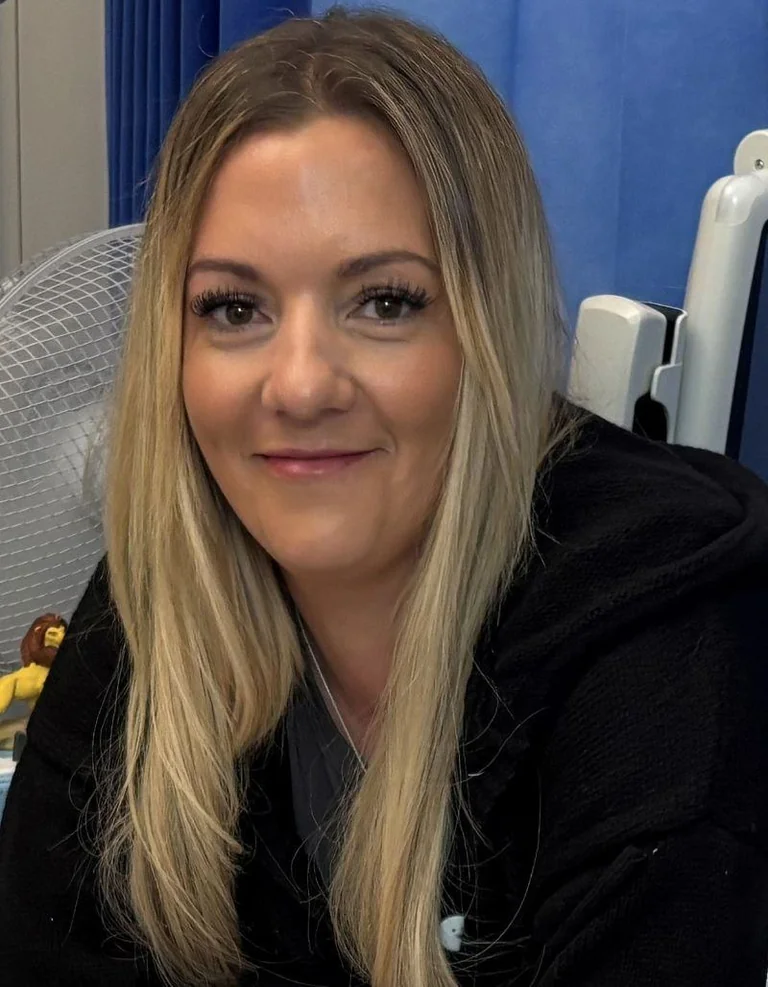
When Teddy first entered intensive care, Claire said she could barely think clearly. An animation within My PICU Story helped her explain the unit to her older children, Riley, Charlie and Alfie, who were worried at home.
The app also allowed Claire and James to receive pictures, stickers and reassuring messages from nurses during short periods away from the unit for food or sleep. Information about nearby accommodation led them to Acorn House, where they could rest while remaining close to Teddy.
Practical answers are available from the first hours of admission
My PICU Story addresses immediate questions such as whether parents can see or touch their child. It also contains information about visiting, parking, accommodation and facilities within the Paediatric Intensive Care Unit.
Parents can create a profile describing their child and use a wall for messages and pictures, allowing relatives or members of the care team to respond with reactions and stickers. A question-and-answer section explains intensive-care procedures in plain English.
Resources for siblings include an illustrated story written by PICU senior sister Clare King. The story is intended to help children understand why their brother or sister is in intensive care and what happens inside the unit.
The app also includes journalling features, sleep support and cognitive behavioural therapy-informed exercises intended to calm the nervous system and help parents manage stress, anxiety and overwhelming emotions.
Intensive-care trauma can continue after a child recovers
Project lead Dr Nazima Pathan, a PICU consultant and University of Cambridge associate professor, said about 17,000 children receive intensive care nationally each year, affecting approximately 34,000 parents and caregivers.
According to Dr Pathan, between one-third and one-half of those parents may subsequently experience post-traumatic stress, anxiety or depression. She estimated an annual wider economic impact of about £14,000 for each affected parent, alongside approximately £1,100 in direct healthcare costs.
Treating the 30% to 50% of parents who develop significant post-traumatic stress after a child’s PICU admission could therefore cost around £15 million annually, based on the figures presented by the hospital.
Families helped shape the support they needed
The tool has been developed over two years with input from parents, doctors, nurses, psychologists and counsellors. Addenbrooke’s Charitable Trust and digital media company RJDM have also supported the project.

Claire was among the parents who provided feedback. She said the app remained reassuring even when she had not explored every feature, because help was available whenever the family needed it.
Cambridge University Hospitals describes My PICU Story as the first digital support tool for parents of critically ill children to be co-designed with families. Existing PICU and neonatal intensive-care diary apps may support journalling or communication, but the Cambridge project combines those functions with practical unit information and mental-health resources.
The next phase will test longer-term support
Dr Pathan said the development team will examine which features parents find most helpful. It also intends to explore personalised mental-health support that families could continue using after leaving hospital, with the aim of preventing stress and trauma from becoming debilitating.
No wider hospital rollout timetable was provided. The confirmed next step is to evaluate parents’ experiences and determine how support started in intensive care could continue in the community.
Source: Cambridge University Hospitals News
Context & actions About this article
Source check How this report was sourced
This article draws on Cambridge University Hospitals’ account of the app, the clinical context and the Wroe family’s experience.
- The app’s features were matched against the functions described by Cambridge University Ho...
- National PICU and parental mental-health figures are attributed to project lead Dr Nazima...
- Teddy Wroe’s medical history and home-care arrangements reflect the family account publish...
- The article distinguishes the confirmed evaluation phase from any unannounced wider rollou...
- Source
- Cambridge University Hospitals News
- Scope
- Cambridge
- Updated
- 2026-08-04 14:29
Source check
Report a trust issue
Send a clear signal to community moderation if the source, facts or context need review.




Comments