
Chelsea Flower Show 2026: Sustainable Trends and May 19 Access Guide
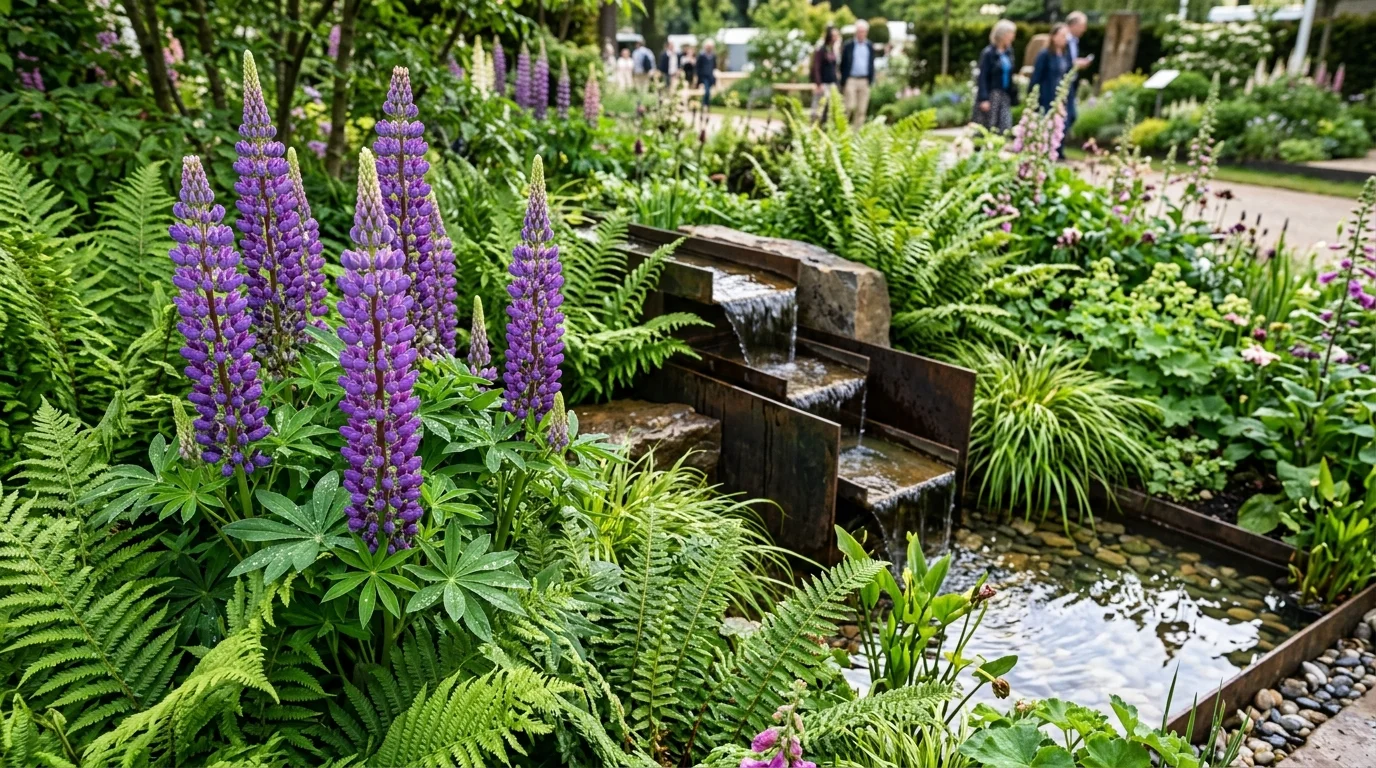
The Royal Horticultural Society (RHS) Chelsea Flower Show returns on Tuesday, May 19, 2026, marking a pivotal shift in the world’s most prestigious gardening event. This year, the focus moves beyond purely aesthetic excellence to address the urgent realities of a warming planet. The 2026 theme, centered on ‘Urban Cooling’ and drought-resistant planting, reflects a growing necessity for metropolitan spaces to adapt to rising temperatures while maintaining biodiversity. As the gates open at the Royal Hospital Chelsea, the event serves as both a high-society fixture and a masterclass in resilient landscape architecture.
What readers need to know
- Opening Date: Tuesday, May 19, 2026.
- Member-Only Access: The first two days (May 19–20) are strictly reserved for RHS members.
- Public Entry: General public access begins on Thursday, May 21.
- Key Theme: ‘Urban Cooling’ through drought-tolerant species and sustainable water management.
- Travel Tip: Sloane Square is the nearest tube station; a dedicated shuttle runs from Battersea Park.
- Free Alternative: The ‘Chelsea in Bloom’ fringe event offers free floral displays in nearby streets.
The Rise of Urban Cooling: 2026’s Horticultural Response
The 2026 show is defined by the ‘Urban Cooling’ initiative, a design philosophy aimed at mitigating the ‘heat island’ effect in cities. Show gardens this year are prioritizing canopy density and permeable surfaces over traditional hard landscaping. Designers are moving away from water-intensive lawns, instead opting for gravel gardens and dry-meadow aesthetics that can withstand prolonged dry spells without irrigation.
Plant palettes are notably shifting. Expect to see a heavy presence of silver-leaved plants like Stachys byzantina and Eryngium, which reflect sunlight, alongside deep-rooted native UK species that thrive in fluctuating conditions. These gardens are not merely displays but functional prototypes for future city planning, demonstrating how private and public gardens can lower ambient temperatures through strategic transpiration and shade.
Navigating the RHS Chelsea 2026 Entry and Ticket Tiers
Securing entry to the Chelsea Flower Show remains one of the more complex logistical tasks of the London spring season. For 2026, the RHS has maintained its traditional tiered system to manage crowd density and preserve the integrity of the displays.
Tuesday, May 19, and Wednesday, May 20, are designated exclusively for RHS members. These days are often preferred by serious horticulturists and industry professionals who wish to view the gardens before the larger crowds arrive. Public tickets become valid starting Thursday, May 21. It is important to note that peak weekend slots for the final days of the show are already reported as sold out. Those without tickets should look toward the late-afternoon ‘twilight’ sessions, which occasionally see limited re-releases, or consider the Tuesday/Wednesday membership route for future years.
The Circular Garden: Recycled Materials and Best in Show
The competition for the coveted ‘Best in Show’ title in 2026 is increasingly influenced by a garden’s carbon footprint. Judges are no longer looking just at the perfection of a bloom, but at the lifecycle of the materials used. This year’s top contenders are heavily utilizing reclaimed timber, recycled aggregate, and repurposed industrial steel.
One standout garden features a pavilion constructed entirely from compressed construction waste, softened by a lush overgrowth of native ferns and ivy. By focusing on native UK species, designers are reducing the ‘plant miles’ associated with importing exotic varieties. This shift toward the ‘wilder’ look—often referred to as ‘re-wilding the urban core’—is a significant departure from the manicured perfection of decades past, signaling a new era where ecological value carries as much weight as visual impact.
Essential Travel Logistics: Sloane Square and the Battersea Shuttle
Reaching the Royal Hospital Chelsea requires careful planning, as local roads are heavily congested during show week. The most direct route is via the London Underground to Sloane Square station (District and Circle lines). From there, it is a well-signposted ten-minute walk to the showground entrance.
For those traveling from further afield or utilizing the park-and-ride facilities, the shuttle bus service from Battersea Park is the most efficient option. This service runs frequently throughout the day, dropping visitors close to the Bullring Gate. It is highly recommended to avoid driving directly to Chelsea, as parking is virtually non-existent and the area falls within the Ultra Low Emission Zone (ULEZ) and Congestion Charge zones.
Exploring the Fringe: Chelsea in Bloom and Free Local Displays
For those who were unable to secure tickets for the main event, the ‘Chelsea in Bloom’ fringe festival provides a high-quality alternative. This free, open-air event sees the shops, hotels, and restaurants of Chelsea transform their facades with elaborate floral installations.
In 2026, the fringe event spans across Sloane Square, Pavilion Road, and Duke of York Square. The displays often mirror the sustainability themes of the main show, with many local businesses opting for dried flowers or potted plants that can be replanted after the event. It offers a more relaxed way to experience the atmosphere of the Flower Show without the need for a ticket, making it a favorite for families and casual visitors alike.
Source: Royal Horticultural Society


Comments