
Drought and floods reshape Britain’s historic gardens
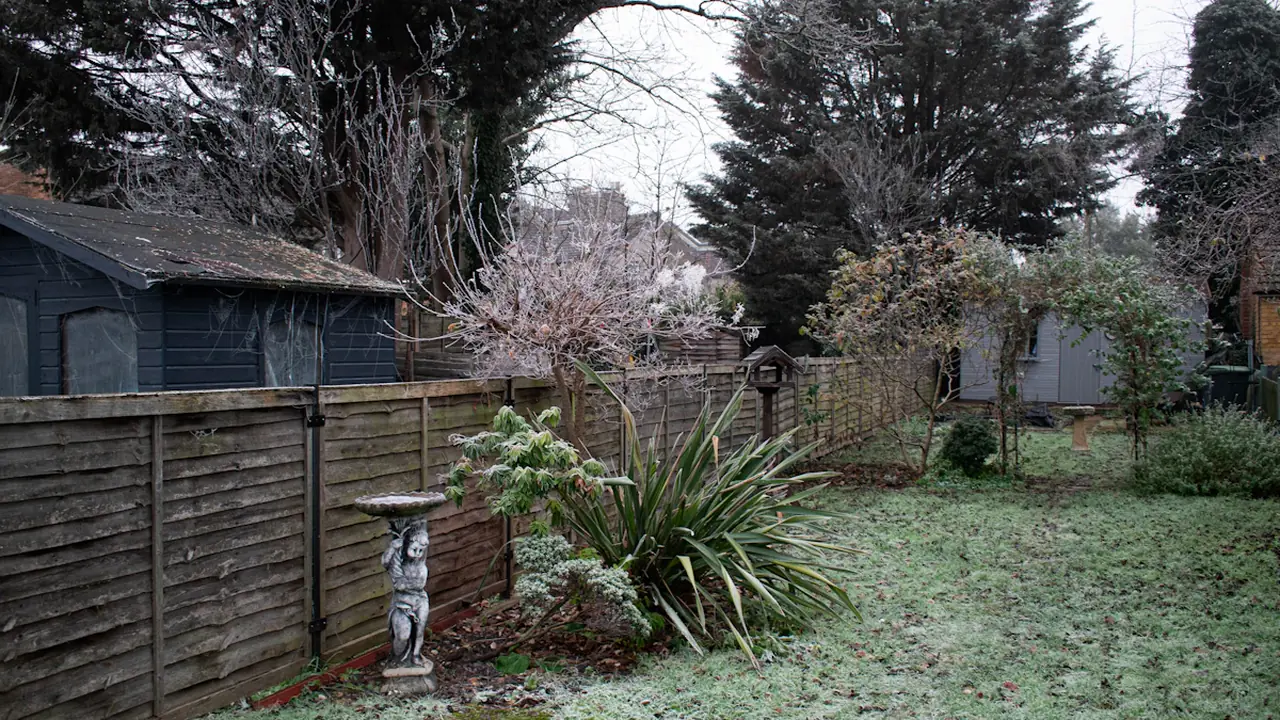
Hotter summers, intense rainfall and shifting storms are already changing how historic parks and gardens across the UK are planted, maintained and opened to visitors.
Research published on 11 August 2026 by The National Lottery Heritage Fund and Historic England found that climate pressures now affect day-to-day management at most participating sites. Custodians reported scorched planting, saturated ground, eroded paths and the loss of mature trees in landscapes designed for very different weather patterns.
The research gathered evidence from more than 100 survey and interview participants. It covers a sector responsible for more than 2,800 registered historic landscapes, parks and gardens across the UK.
Drought is damaging plants and stretching garden teams
Hotter, drier summers are placing plants and soils under sustained stress. Mature trees and shrubs have been lost even in areas without a history of serious drought, while manual watering is consuming staff time and creating demand for storage capacity.
At Chiswick House and Gardens, drought has visibly scorched parts of a 300-year-old landscape. Head of Gardens Rosie Fyles said gardeners have limited ability to protect the site’s approximately 1,800 trees from the effects of climate change.
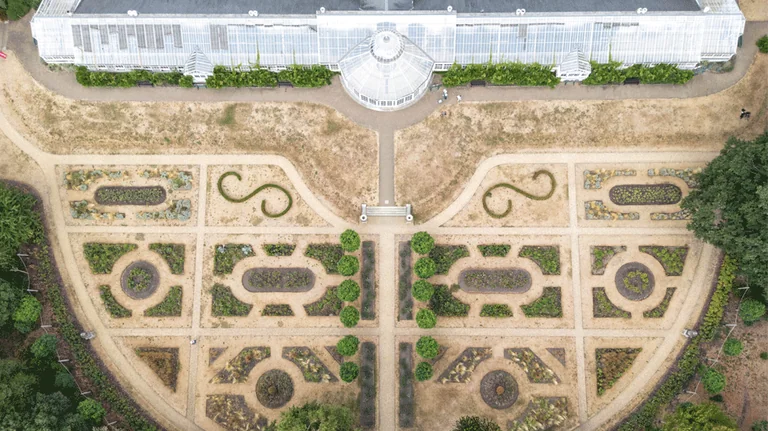
The consequences extend beyond appearance. Mature trees are defining features of designed landscapes, and replacing them cannot quickly restore the scale, shade or historical character that has developed over generations.
Intense rain overwhelms historic drainage systems
Wetter winters and heavier downpours are creating a different set of problems. Respondents described flooding in places that had not previously flooded, with historic drainage systems unable to handle rainfall arriving in more concentrated bursts.
Saturated soils delay routine maintenance and make trees more vulnerable to uprooting. Paths, slopes and riverbanks are also being eroded. Storm-related tree losses range from dozens in smaller gardens to thousands across large estates.
Some sites have closed temporarily to protect visitors during dangerous conditions. Those closures can reduce income and disrupt the relationship between gardens and their regular visitors.
These findings document the experiences of participating custodians rather than predicting precisely which individual sites or features will be lost. The research nevertheless identifies a consistent combination of drought, flooding, high winds, pests and diseases affecting historic landscapes across the country.
Gardens are changing planting, water storage and paths
Managers are introducing species considered better suited to warmer or drier conditions. They are also harvesting rainwater, bringing historic storage tanks back into use and applying mulch and other organic materials to retain soil moisture and improve soil health.
Other measures include planting woodland to hold more water, upgrading paths, adding drains and redesigning parts of landscapes so floodwater has somewhere to go. Similar efforts to strengthen habitats can also be seen in local nature recovery planning in North Yorkshire.
Working practices are changing too. Some teams are reducing labour-intensive mass bedding so staff can spend more time on storm recovery, monitoring and climate adaptation training. These choices may alter familiar seasonal displays, but they also release limited capacity for protecting the wider landscape.
Funding and practical guidance remain the biggest gaps
More than half of survey respondents requested clearer, more accessible climate information, including guidance for completing risk assessments for parks and gardens. Almost every interview participant identified funding as essential, while shortages of money and staff capacity were cited as the main obstacles to implementing changes.
Custodians also asked for centralised information, peer networks and continued training. The findings will inform the Heritage Fund’s approach to natural heritage under Heritage 2033; since 1994, it has awarded more than £2.3 billion to 5,300 land, sea and nature projects.
Historic England’s Principal National Landscape Adviser, Erika Diaz Petersen, said owners need advice and support as they respond to flooding, drought, strong winds, pests and diseases. At Chiswick, Fyles described her task as making informed decisions that prepare the landscape “for the next 300 years”.
Source: National Lottery Heritage Fund News
Context & actions About this article
Source check How this report was checked
The article distinguishes the study’s reported effects and responses from outcomes that cannot yet be predicted for individual gardens.
- Confirmed that the research involved more than 100 survey and interview participants.
- Checked the reported total of more than 2,800 registered historic landscapes, parks and ga...
- Separated observed drought, flooding and storm damage from unsupported forecasts about ind...
- Matched the attributed comments and job titles to the supplied Heritage Fund report.
- Source
- The National Lottery Heritage Fund
- Scope
- United Kingdom
- Updated
- 2026-08-11 09:50
Source check
Report a trust issue
Send a clear signal to community moderation if the source, facts or context need review.




Comments