
€750 Million Defense Surge: How Western Lithuania’s Military Expansion Fuels Regional Growth
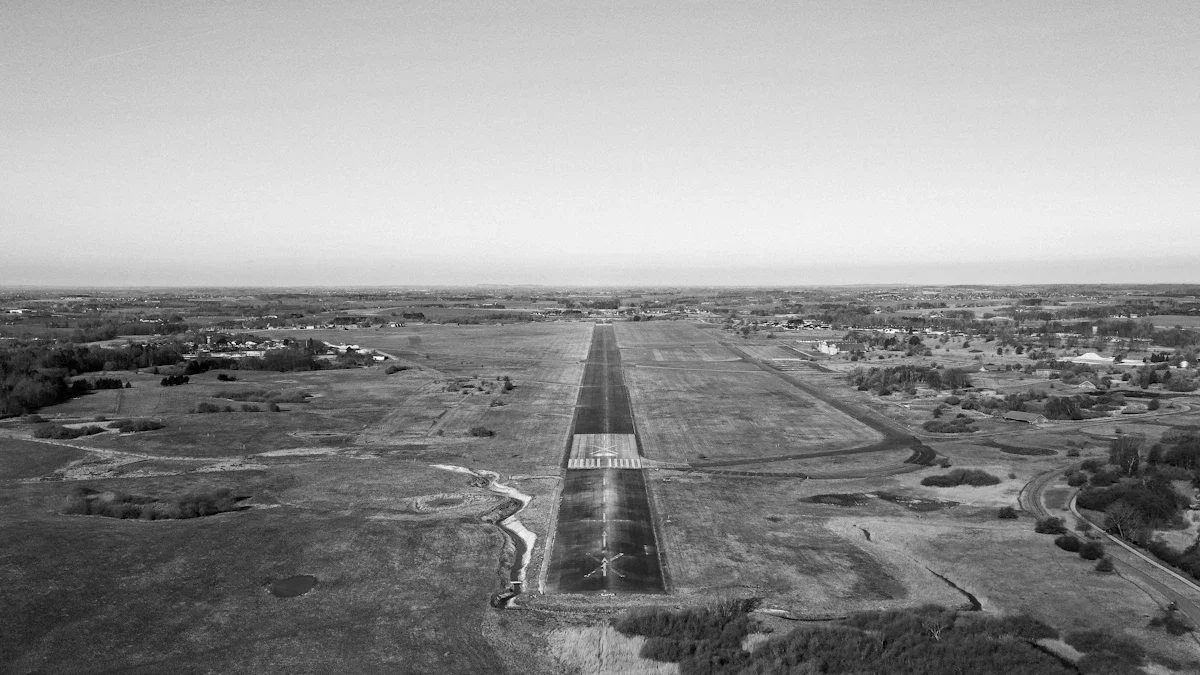
The scale of military investment in Western Lithuania has reached a historic milestone, with over €750 million earmarked for regional infrastructure by 2030. This figure represents nearly 20% of a broader €4 billion national defense initiative planned for the next four years. While the primary objective is the enhancement of the Lithuanian Armed Forces and allied operational capabilities, the data suggests a significant secondary benefit: a massive injection of capital into the local economy that promises to transform regional business landscapes.
According to analysis from the Ministry of National Defence, approximately 62% of defense budget appropriations between 2015 and 2025 either return directly to the state budget or remain within the Lithuanian economy. This high retention rate indicates that military spending acts as a localized economic stimulus rather than a sunk cost, supporting jobs in construction, logistics, and service sectors across the western districts.
Economic Dividends for Western Lithuanian Communities
The investment strategy is designed to provide direct financial support to the municipalities hosting these new facilities. Beyond the construction of barracks and training grounds, the government has established formal agreements to fund social and engineering infrastructure in the surrounding areas. This ensures that the presence of military personnel translates into better roads and public services for civilian residents.
| Municipality | Annual Infrastructure Funding |
|---|---|
| Tauragė | €830,000 |
| Klaipėda District | €490,000 |
| Šilalė | €180,000 |
These annual payments are intended to increase regional resilience, allowing local governments to maintain the infrastructure required to support both the military influx and the growing needs of the local population. For small businesses, this represents a stable, long-term demand for services ranging from food supply to facility maintenance.
The Kairiai Military Town: A 15-Year Strategic Partnership
The centerpiece of the Western Lithuanian expansion is the Kairiai military town in the Klaipėda district. Designed to house over 1,500 troops from the “Žemaitija” Infantry Brigade and the Butigeidis Dragoon Battalion, the project utilizes a Public-Private Partnership (PPP) model. This approach spreads the financial commitment over a 15-year period, totaling approximately €520 million (including VAT).
The project timeline is structured into two distinct phases: a three-year design and construction window followed by 12 years of operational management. By involving the private sector in the long-term maintenance of the site, the government aims to ensure high-quality facilities while providing a predictable revenue stream for the contractors involved. Payments from the Ministry of National Defence are scheduled to begin in 2030, coinciding with the completion of the construction phase.
Strengthening Regional Resilience and Infrastructure
Investment is not limited to new housing for troops. Significant funds are being directed toward the modernization of existing battalions and training grounds in Tauragė and Šilalė. In the Butigeidis Dragoon Battalion in Klaipėda, projects include the construction of specialized medical units, vehicle storage facilities, and a complete reconstruction of the site’s engineering networks.
Similarly, the Kęstutis Infantry Battalion in the Tauragė district is undergoing a transformation with new barracks, a modern refueling station with washing facilities, and a total overhaul of the technical park. These upgrades are essential for maintaining the combat readiness of the First National Division, but they also serve as a catalyst for local infrastructure improvements, such as the expansion of the road network leading to training areas, which benefits local logistics and transport companies.
Future Milestones for Regional Development
The planning phase for the Kairiai military town is set to commence in 2027. Between now and then, the focus remains on the ongoing upgrades to the Tauragė and Šilalė training grounds. As these projects move from the drawing board to active construction sites, residents can expect a gradual increase in local employment opportunities. The long-term nature of the 15-year PPP model suggests that the economic impact of these defense investments will be felt well into the 2040s, providing a stable foundation for Western Lithuania’s regional growth.
Source: ELTA


Comments