
Glasgow city centre streets undergo £140m transformation next month
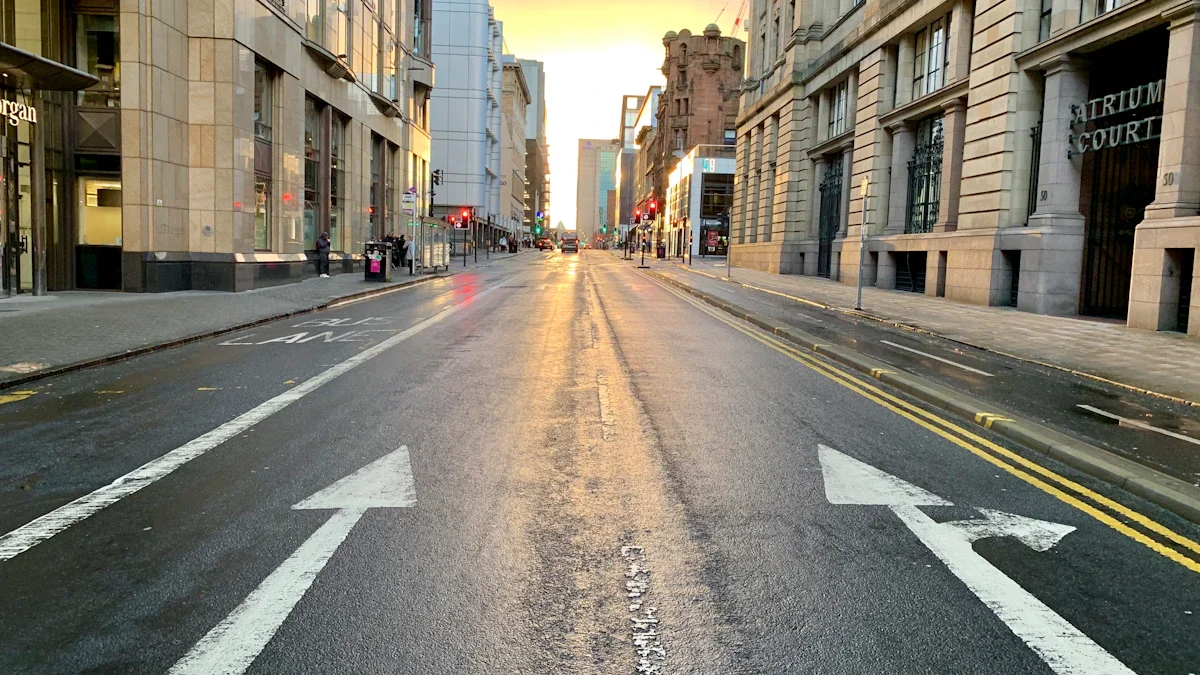
£140 million is the baseline for Glasgow’s most significant street-level overhaul in a generation. Next month, this investment moves from planning into a high-intensity construction phase across several key corridors in the city centre. This project, known as the Avenues, aims to rebalance the relationship between vehicles and pedestrians, though the immediate reality for residents involves significant logistical shifts.
While the headline figure proves a massive commitment to urban regeneration, it does not account for the localized disruption that businesses and commuters will experience during the multi-year rollout. The Glasgow City Council initiative focuses on “active travel” infrastructure, which includes the installation of segregated cycle lanes, the planting of hundreds of new trees, and the expansion of footways to encourage footfall for local businesses.
£140 million investment in Glasgow’s urban landscape
The funding for this transformation is secured through the Glasgow City Region City Deal, a partnership between the UK and Scottish Governments. The Avenues Project is designed to create a integrated network of pedestrian and cycle-friendly routes. Beyond the aesthetic improvements, the project integrates Sustainable Urban Drainage Systems (SUDs) to help the city manage surface water during heavy rainfall, a growing concern for the Glasgow City Centre area.

Records show that the upcoming phase specifically targets the connectivity between the retail heart of the city and its transport hubs. This transformation is part of a broader strategy to reduce city centre congestion. This aligns with other recent policy shifts, such as how Glasgow drivers face new 20mph speed limits to enhance safety in high-traffic pedestrian zones.
Key streets entering the construction phase
The work starting next month will focus on several high-traffic areas. The council has confirmed that the construction footprint will expand to ensure that the network of “Avenues” remains cohesive.

| Project Zone | Primary Infrastructure Change |
|---|---|
| Sauchiehall Street | New trees and cycle lane expansion |
| Argyle Street | Pavement widening and lighting upgrades |
| North Hanover St | Improved transit links to Queen Street |
| Holland Street | Integrated drainage and green space |
These specific zones were selected based on their current density of foot traffic and their importance to the city’s night-time economy. The goal is to create a “linear park” feel that encourages people to spend more time in the city centre rather than simply passing through it.
Timeline for the Avenues Project rollout
Construction is scheduled to begin in the first week of next month, with initial site preparation and utility diversions. Residents should expect a phased approach where sections of the street are cordoned off to maintain some level of access for local businesses.

Historical data from previous phases suggests that while the initial stages involve heavy excavation, the final surfacing and planting stages move significantly faster. However, the council has issued a caveat that the timeline remains subject to weather conditions and the discovery of unmapped underground utilities, which have delayed similar projects in the past.
Practical changes for city centre commuters
For those navigating the city centre, the next month marks a shift in traffic flow. Several bus stops may be temporarily relocated, and loading bays for businesses will be adjusted to accommodate the construction machinery. Pedestrian access to all shops and residential buildings will be maintained throughout the works, though the width of available walkways will be reduced in certain sections.
Cyclists will also need to adapt to temporary diversions as the new segregated lanes are installed. The Glasgow City Council has stated that signage will be placed at key entry points to the city centre to guide commuters around the most heavily affected construction sites. Work is expected to continue during standard daylight hours to minimize noise disruption for residents living within the city core.
Source: Glasgow City Council

Comments