
Glasgow Drivers Set for Smoother Journeys with £30m Road Fix

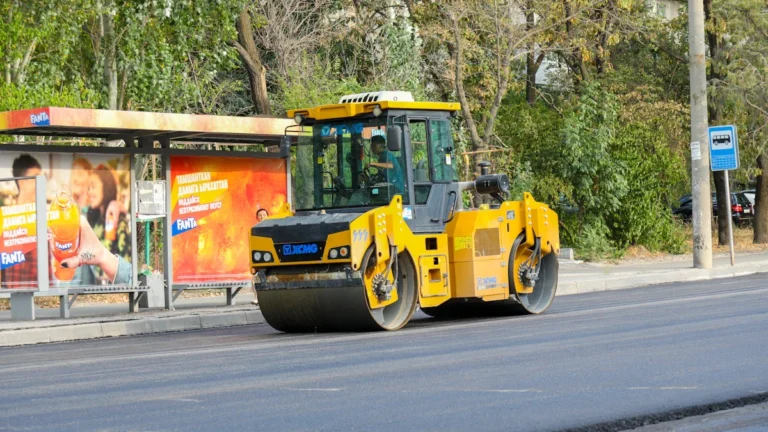
Glasgow motorists and cyclists will see a significant overhaul of local transport routes following the formal award of £30 million in resurfacing contracts. This city-wide programme targets deteriorating road surfaces that have faced increased pressure from fluctuating weather patterns and high traffic volumes.
The investment represents a major commitment to maintaining the city’s core transport arteries. By addressing long-standing surface issues, the project aims at improving daily commutes and reducing vehicle wear and tear caused by uneven pavements.
Phased Delivery and Contract Details
The procurement process has finalized the selection of contractors capable of delivering high-specification road treatments. This accelerated repair schedule ensures that work can begin across multiple wards simultaneously to minimize long-term disruption.

| Project Detail | Specification |
|---|---|
| Total Contract Value | Up to £30,000,000 |
| Geographic Focus | All Glasgow wards |
| Primary Objective | Major road resurfacing and structural repairs |
| Expected Outcome | Enhanced road safety and longevity |
Work crews will focus on high-priority routes identified through recent technical surveys. These assessments analyzed surface friction, structural integrity, and the frequency of emergency patch repairs. The transition to long-term resurfacing rather than temporary filling is expected to provide better value for public funds. Major Contracts Awarded For City Wide Resurfacing Programme will be managed in phases to ensure arterial routes remain functional during peak hours.
Frequently Asked Questions
Why is Glasgow investing £30 million into road resurfacing right now?
The city is shifting from reactive, temporary pothole patching to a proactive resurfacing strategy. This £30 million investment addresses the long-term deterioration caused by Glasgow’s heavy traffic volumes and increasingly volatile weather patterns. By awarding these major contracts now, the council aims to improve road safety, reduce vehicle maintenance costs for drivers, and extend the lifespan of the city’s core transport arteries.
How are specific roads selected for repair under this new contract?
Selection isn’t random; it is driven by technical survey data. Work crews prioritize routes based on three key metrics:
- Surface Friction: Ensuring roads provide adequate grip for braking.
- Structural Integrity: Identifying where the underlying road foundation is failing.
- Repair Frequency: Targeting areas that have required the most emergency patches in the past year.
Residents can report particularly hazardous stretches via the MyGlasgow app or the City Council’s online portal to ensure they are flagged for future assessments.
What impact will the phased roadworks have on my daily Glasgow commute?
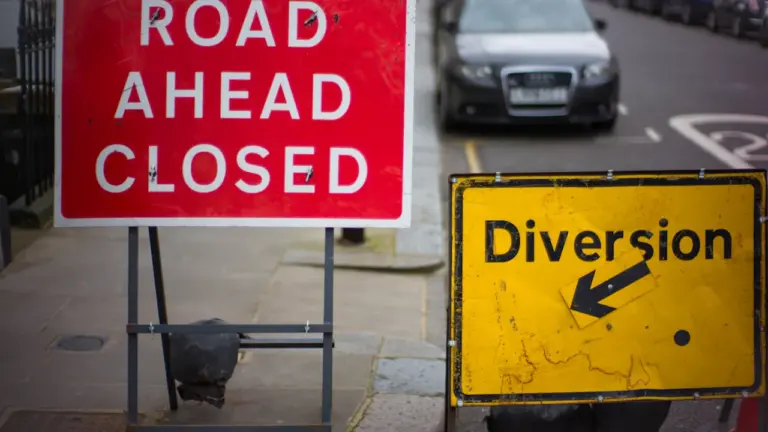
To prevent city-wide gridlock, the project uses a phased delivery model. While work will occur across all wards simultaneously, major arterial routes are scheduled to remain functional during peak hours. However, drivers and cyclists should prepare for temporary lane closures and localized diversions. For the smoothest journey, it is recommended to check live traffic platforms like Google Maps or the Glasgow ‘Roadworks and Closures’ map before setting off.
Where can I find the schedule for road repairs in my local ward?
Updates on the accelerated repair schedule are typically published via the Glasgow City Council’s weekly bulletins and official social media channels. As contractors begin work in specific wards, local signage will be posted 48-72 hours in advance. For ongoing analysis of the project’s progress and its impact on Glasgow’s infrastructure, stay tuned to the latest reports on beehiveweb.co.uk.
Source: Glasgow City Council

Comments