
Healing the Past: Why Lithuania’s Partisan Marches Matter Today
On May 16, thousands of people will step into the dense forests and rural landscapes of Lithuania, retracing the footsteps of those who fought a desperate, decade-long guerrilla war against Soviet occupation. These are not merely recreational hikes; they are a deliberate act of “active memory,” a concept that psychologists and defense experts say is vital for the health of a modern democracy.
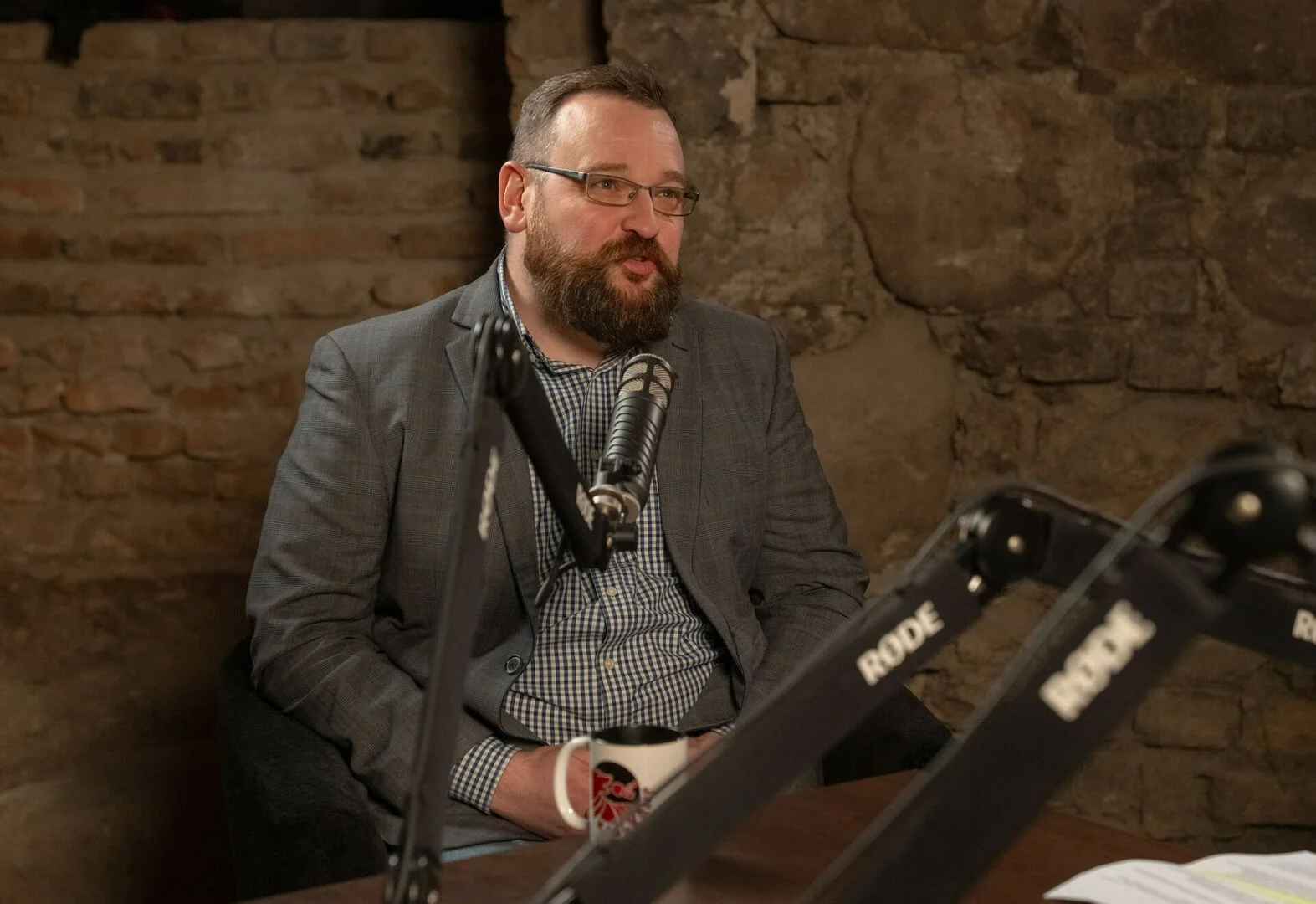
For many in the UK, the history of the Baltic “Forest Brothers”—the partisans who resisted the Soviet Union after the end of World War II—remains a niche chapter of European history. However, in Lithuania, this history is a living, breathing part of the national identity. According to Professor Danutė Gailienė, a prominent psychologist, historical memory serves a role for society similar to what personal memory does for an individual: it answers the fundamental question of who we are.
The Psychology of National Resilience
Professor Gailienė argues that a society can only remain resilient if it possesses an open and honest relationship with its past. This is particularly crucial for nations that have endured systemic trauma, such as the mass deportations and repressions of the Soviet era. Her research indicates a fascinating paradox: historical trauma can become a source of strength rather than just a mark of weakness.
In families where the truth about repression was shared openly, younger generations often developed a stronger moral compass and a deeper appreciation for freedom. Conversely, those raised in a vacuum of silence or state-sponsored lies often feel psychologically more vulnerable. “Black-and-white thinking is immature,” Gailienė notes, emphasizing that a mature society must be able to acknowledge both the heroism of its defenders and the painful moral complexities of the era.

History as a Modern Battlefield
This psychological grounding is not just about mental health; it is a matter of national security. Karolis Zikaras, representing the Strategic Communications Department of the Lithuanian Armed Forces, points out that history is a primary target in contemporary information warfare. Hostile states frequently attempt to rewrite or distort historical narratives to erode a population’s self-confidence and trust in their own state.
For decades, Soviet propaganda systematically labeled Lithuanian partisans as “bandits” or “fascist collaborators” to justify the occupation. Today, similar narratives are recycled to suggest that resistance is futile or that the state is not worth defending. The antidote to this, according to both Gailienė and Zikaras, is not counter-propaganda, but the pursuit of historical truth—even when that truth is multifaceted and difficult.
Joining the Commemorative Marches
To bridge the gap between historical facts and personal experience, the Ministry of National Defence and the Lithuanian Riflemen’s Union have established a tradition of mass marches to honor the partisans. These events, held on the Day of Partisans’ Honor, Army, and Society Unity, allow participants to physically experience the environments where resistance fighters lived and died.

On May 16, a total of 19 marches will take place—10 within Lithuania and 9 organized by Lithuanian communities abroad. These walks are designed to move the partisan narrative out of academic debates and into the realm of cultural experience. For the younger generation, participating in these marches is a way to internalize the historical will to resist, transforming an abstract historical event into a personal commitment to the future of the state.
While the partisan war was physically lost by the mid-1950s, its moral victory is seen as the foundation for the independence movements of the 1990s. By walking these paths today, participants are ensuring that the spirit of that resistance remains an active part of the national defense strategy.
Source: BNS




Comments