
How Queen Victoria’s Birthday Helped Shape Bank Holidays
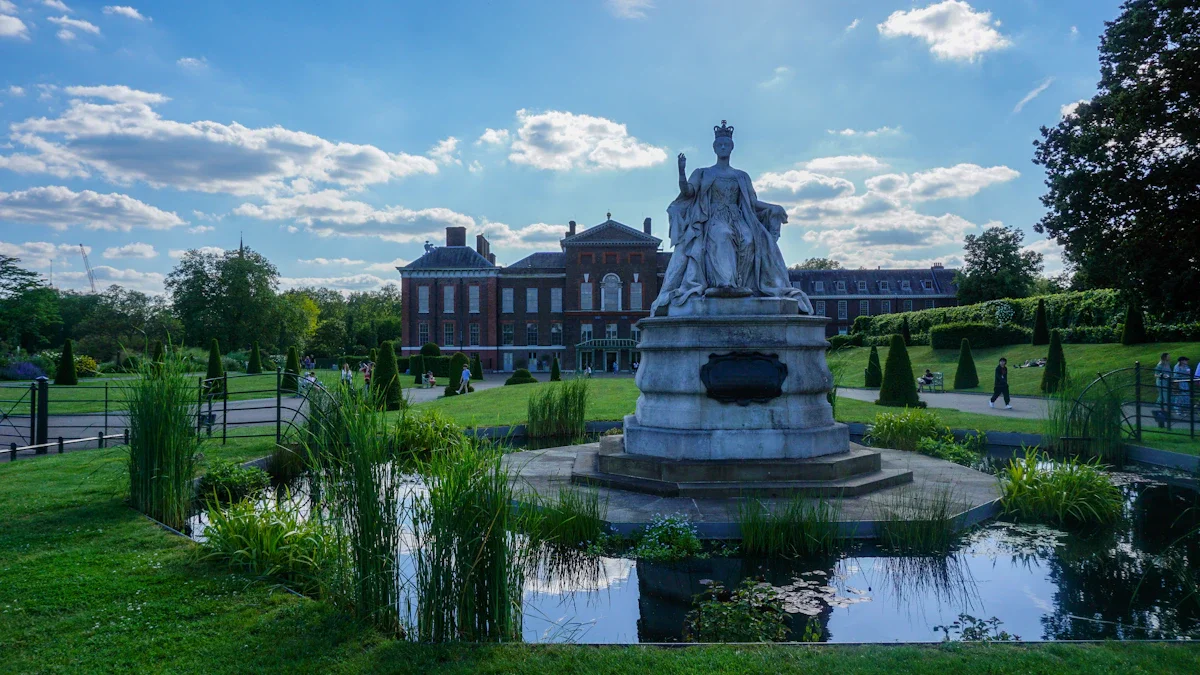
Queen Victoria was born at Kensington Palace on May 24, 1819. In 2026, that date marks the 207th anniversary of her birth, but its wider public meaning reaches beyond royal biography. The Victorian age helped turn Britain’s scattered pattern of local feast days, fairs and informal days off into a more regulated calendar of public holidays, anchored by the Bank Holidays Act 1871.
In Canada, Victoria Day remains a major public holiday connected to the monarch’s birthday. In the United Kingdom, the date has taken a different route. Victoria’s birthday became tied to imperial commemoration through Empire Day, while the practical Victorian legacy at home was the idea that national holidays could be named, scheduled and recognised by law.
Queen Victoria was born on May 24, 1819, at Kensington Palace
The Royal Family records Queen Victoria’s birth as May 24, 1819, at Kensington Palace in London. She became queen in 1837, ruled through a period of industrial growth and imperial expansion, and died in 1901 after a reign that reshaped Britain’s institutions, cities and sense of national ceremony.
Her birthday mattered because Victoria became more than a reigning monarch. During and after her lifetime, her name was attached to public buildings, civic rituals, colonial commemorations and school observances across the British Empire, a reminder that regional timing can differ from place to place, much like today’s separate holiday calendars, so May 24 therefore became a date on which different parts of the empire remembered monarchy, citizenship and imperial identity in different ways.
That is why the date survives strongly in Canada as Victoria Day, while in Britain it is better understood through two connected histories: the creation of modern bank holidays during her reign, and the later rise and decline of Empire Day.
Britain had many local days off before national bank holidays
Before the modern bank holiday system, time off was less uniform. Older calendars were shaped by religious festivals, saints’ days, parish customs, local fairs, hiring days and regional traditions. Some communities observed particular feast days; others had wakes, market holidays or seasonal breaks linked to agricultural and industrial rhythms.
By the nineteenth century, industrial Britain had changed the meaning of a day off. Factory work, rail travel, urban employment and banking all depended on synchronised time. A patchwork of local customs was less useful in a country where money, goods and workers moved between towns at growing speed.
The question was no longer only which holy day or local fair a town might observe. It was whether a modern commercial society needed a set of recognised public days when banks could close, business could pause and ordinary workers might gain a more predictable chance of rest.
The answer came in 1871, during Victoria’s reign, when Parliament passed the Bank Holidays Act.
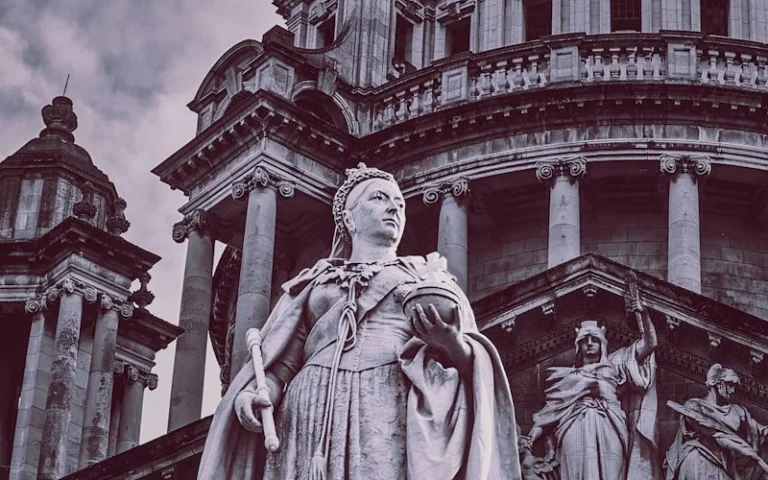
The Bank Holidays Act 1871 gave holidays a legal framework
The Bank Holidays Act 1871 is the key Victorian statute in the story. It did not create every public holiday Britain has today, and it did not give every worker an automatic paid day off. Its importance was more specific: it gave legal recognition to named days when banks could close and certain financial obligations could be delayed as if the date were a Sunday.
The Act was introduced by Sir John Lubbock, a banker, scientist and Liberal politician. His role is still remembered in the nickname sometimes attached to the earliest bank holidays: “St Lubbock’s Days”. The nickname captured something important about the period. These were not ancient feast days being preserved unchanged. They were modern holidays being defined for a modern economy.
For England, Wales and Ireland, the 1871 Act named Easter Monday, Whit Monday, the first Monday in August and Boxing Day. Scotland received a different set, reflecting its own legal and cultural calendar, including New Year’s Day and Christmas Day.
This was a practical reform, but it also had social consequences. Railways and excursion travel made holiday leisure more accessible. Seaside towns, parks, sporting events and family visits all benefited from a more predictable public calendar. The bank holiday became a Victorian compromise: a legal mechanism designed around finance that gradually became part of ordinary social life.
Sir John Lubbock’s reform changed the meaning of a public day off
Lubbock’s contribution is often easy to miss because bank holidays now feel ordinary. Yet the reform marked a shift from informal custom to public scheduling. It helped establish the idea that some days could be nationally recognised even when they were not strictly religious festivals.
That distinction still matters. A bank holiday in the UK is not the same as a universal statutory entitlement to paid leave. Employment contracts, later labour laws and workplace practices determine how time off is handled for many workers. But the public calendar itself owes much to the Victorian decision to place certain holidays into law.
The Victorian system also showed how public holidays could balance tradition and administration. Easter and Whitsun kept religious roots. August gave space for summer leisure. Boxing Day preserved a popular post-Christmas custom. Together, they formed a calendar that was both familiar and newly regulated.
Queen Victoria did not personally invent bank holidays. The connection is historical rather than personal: her reign provided the social, parliamentary and industrial setting in which Britain’s modern holiday framework took shape.
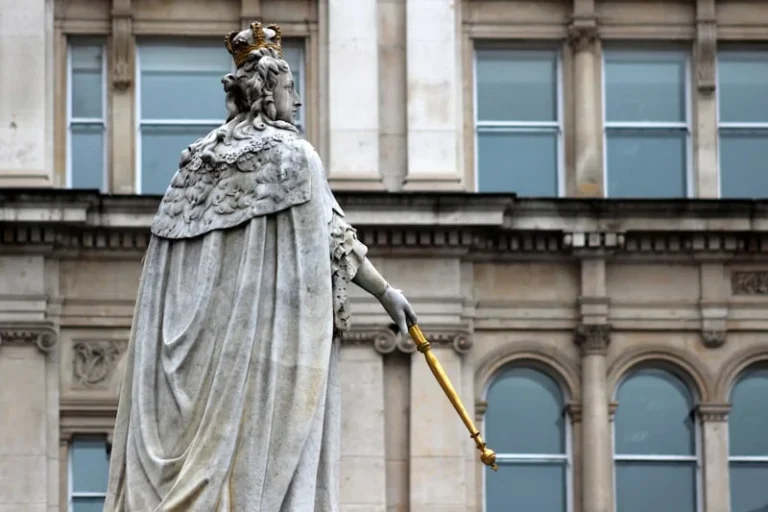
Empire Day later made May 24 a date of imperial ceremony
After Victoria’s death, May 24 gained another layer of meaning. Empire Day was promoted in the early twentieth century as a day for schools and communities across the British Empire to mark imperial identity, loyalty and citizenship. The date was chosen because it was Queen Victoria’s birthday.
Empire Day was especially associated with children’s ceremonies, flags, patriotic songs and lessons about the empire. In Britain and across imperial territories, it became a ritualised date in the civic calendar, though its meaning varied by place and period.
Today, that history is read more critically. Empire Day reflected the assumptions and power structures of its time. It celebrated imperial unity while often ignoring the unequal realities of empire for colonised peoples. That is why the date is useful historically: it shows how a royal birthday could become a public symbol, and how public symbols change when political values change.
Commonwealth Day replaced Empire Day and moved away from May 24
Empire Day did not disappear in a single moment, but its language became increasingly out of step with the post-war world. As former colonies gained independence and the Commonwealth developed as a voluntary association of states, the old imperial framing was replaced.
Empire Day became Commonwealth Day in 1958. The observance was later moved away from Queen Victoria’s birthday and is now marked on the second Monday in March. That move mattered. It separated the modern Commonwealth calendar from a date centred on imperial monarchy and made space for a broader, more contemporary identity.
May 24 therefore carries several overlapping histories. It is Queen Victoria’s birthday. It is Victoria Day in Canada. It was the date of Empire Day. And, indirectly, it points back to the Victorian era’s wider role in organising public time.
For UK readers, the most practical legacy is not a holiday on Victoria’s birthday itself. It is the regulated bank holiday system that began under her reign, when Parliament turned selected days off from custom into statute.
Sources and context used for this history
The core biographical date comes from The Royal Family’s official account of Queen Victoria, which states that she was born on May 24, 1819, at Kensington Palace. The legal context is drawn from the Bank Holidays Act 1871 and historical accounts of Sir John Lubbock’s role in introducing the measure. The later commemorative history follows the public transition from Empire Day, observed on Victoria’s birthday, to Commonwealth Day, adopted in 1958 and now marked on the second Monday in March.
That source trail matters because the story can easily be simplified into a claim that Victoria “created” bank holidays. The more accurate version is richer: her reign gave Britain the conditions in which Parliament standardised public holidays, while her birthday later became a symbolic date for empire and then a reference point for the Commonwealth’s changing identity.
Source: The Royal Family
Context & actions About this article
Source check Source trail
This article separates Queen Victoria's confirmed birth date from the later legal and commemorative history of British public holidays.
- Confirmed Queen Victoria's birth date and birthplace through The Royal Family.
- Used the Bank Holidays Act 1871 as the legal anchor for the modern UK bank holiday system.
- Distinguished bank holidays from a universal legal right to paid leave.
- Treated Empire Day and Commonwealth Day as separate stages in public commemoration.
- Source
- The Royal Family
- Scope
- United Kingdom
- Updated
- 2026-06-17 07:31
Source check
Report a trust issue
Send a clear signal to community moderation if the source, facts or context need review.



Comments