
Kėdainiai Bridge Reopens: Major Lithuanian Transit Link Restored
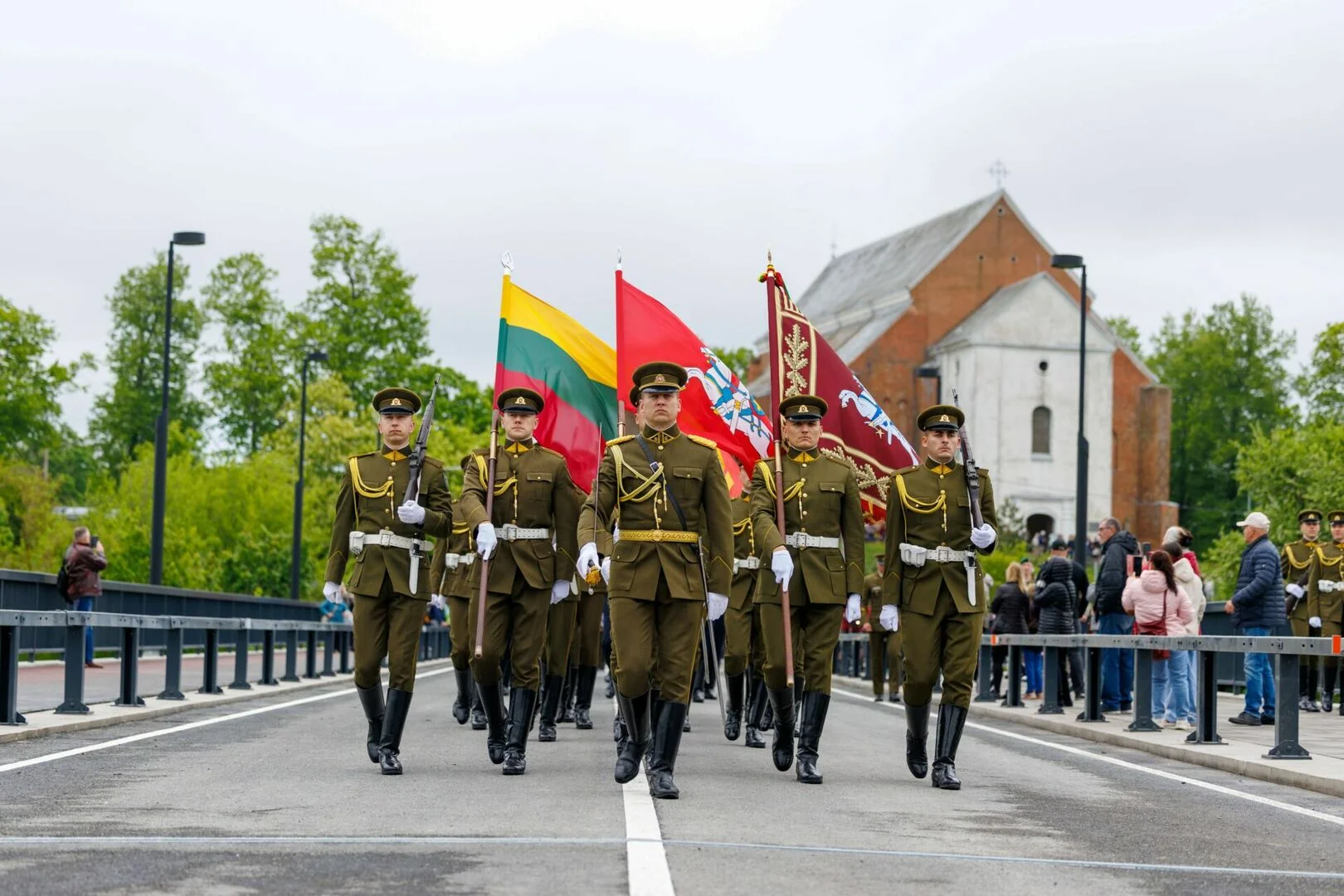
The city of Kėdainiai, a vital industrial and historical hub in central Lithuania, has finally restored its primary arterial connection. On Sunday, the state road agency “Via Lietuva” officially reopened the strategic bridge over the Nevėžis River on Tilto Street, ending a period of significant disruption that had effectively split the city in two.
While minor finishing works may cause brief, localized traffic restrictions in the coming days, the structure is now fully operational for both vehicles and pedestrians. The reopening marks the conclusion of a complex reconstruction project necessitated by a dramatic structural failure that became a symbol of the country’s aging infrastructure challenges.
Restoration of a Divided City
The Nevėžis River serves as a natural geographic divide for Kėdainiai. The Tilto Street bridge is not merely a local crossing but a strategic link on the national road No. 1906, connecting Aukštutiniai Kaniūkai, Babtai, Labūnava, and Kėdainiai. Its closure forced residents and logistics providers into lengthy detours, adding significant time and cost to daily commutes and commercial transport.

The bridge’s troubles began in early 2023 when a side beam collapsed, leading to immediate weight and traffic restrictions. By September 2024, the structure was closed entirely as its condition was deemed too dangerous for continued use. Minister of Transport and Communications, Juras Taminskas, noted that the closure was so prolonged that even digital navigation systems began to treat the crossing as non-existent.
Technical Specifications and Modernization
The original bridge was constructed in 1962, designed to standards that did not account for the heavy freight volumes and traffic intensity of the 21st century. The modern replacement is a total overhaul rather than a simple repair, featuring a steel-concrete composite deck and expanded facilities for non-motorized transport.

| Project Detail | Specification |
|---|---|
| Total Length | 87.75 meters |
| Carriageway Width | 8 meters (two 3.25m lanes plus safety zones) |
| Structure Type | Steel-concrete composite deck |
| Project Value | Over €3.7 million (including VAT) |
| Contractor | UAB Kauno Keliai |
| Key Upgrades | New lighting, drainage, and widened pedestrian/cycle paths |
The reconstruction involved rebuilding the embankments and intermediate supports, installing a new rainwater collection and treatment system, and applying high-performance waterproofing. The new design adheres to “Category B” street requirements, ensuring it can handle modern load capacities for decades to come.
A Symptom of a National Infrastructure Crisis
The situation in Kėdainiai is not an isolated incident. Martynas Gedaminskas, head of “Via Lietuva,” emphasized that this project is part of a broader, urgent effort to address the deteriorating state of Lithuania’s bridges. The statistics are stark: in just seven years, the number of bridges in “poor condition” across the country has more than doubled, rising from 63 to 140.

The financial scale of the problem is immense. Estimates suggest that over €600 million is required just to fix the structures currently in “very poor” condition. To bring the entire national bridge network up to a satisfactory standard, the required investment is approximately €1 billion.
In response to these systemic failures, the Lithuanian government has pivoted toward a large-scale bridge renewal program. The goal is to repair or replace 105 of the most critical bridges by the end of 2028. The successful completion of the Kėdainiai project serves as a template for this initiative, moving away from temporary patches toward comprehensive, long-term structural solutions.
Looking Ahead for Kėdainiai
For the residents of Kėdainiai, the reopening represents more than just a shorter commute; it is a restoration of the city’s economic vitality. The bridge is a crucial artery for the region’s agricultural and industrial sectors. While the “Via Lietuva” agency continues to monitor the site for final adjustments, the restoration of flow across the Nevėžis signals an end to the logistical bottleneck that has hampered the region for nearly two years.
Source: BNS



Comments