
Lithuania Moves to Ban Non-Alcoholic Beer and Wine for Minors: what residents need to know
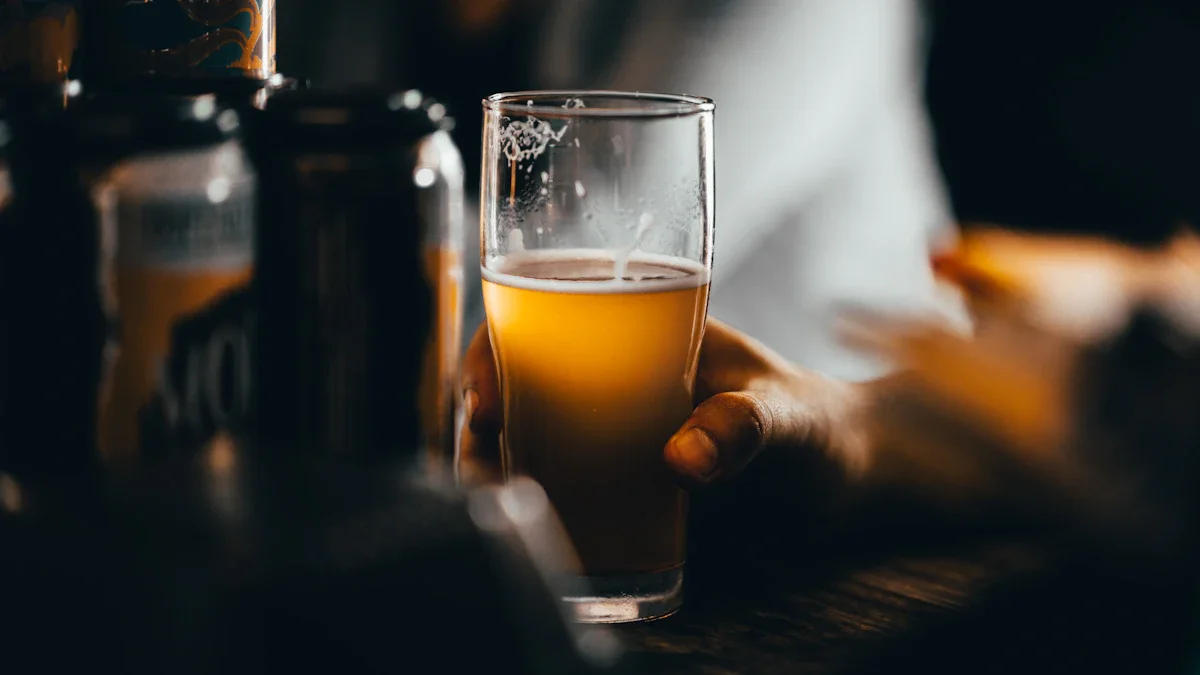
The Lithuanian Parliament, known as the Seimas, has taken a significant step toward restricting the sale of non-alcoholic beverages to minors. In a move designed to decouple youth culture from the aesthetics of drinking, lawmakers have approved a proposal that would prohibit the sale, purchase, or transfer of non-alcoholic drinks that mimic alcoholic products to anyone under the age of 18.
The legislation specifically targets beverages that use the names of alcoholic groups, subgroups, or categories—such as non-alcoholic beer, wine, or cider—in their branding. The proposal passed its second reading with 66 members of the Seimas in favor, seven against, and 26 abstentions. If the bill passes its final hurdle, the new restrictions are slated to come into effect on November 1, 2024.
Addressing the Normalization of Drinking Culture
The primary driver behind the legislation is the concern that “imitation” drinks serve as a gateway to actual alcohol consumption. Proponents of the bill argue that these products are designed to replicate the sensory experience of drinking, from the taste and smell to the ritualistic nature of the packaging and serving methods.
Member of Parliament Darius Razmislevičius, the initiator of the amendments, emphasized that these products habituate young people to the social structures of alcohol consumption. According to Razmislevičius, such beverages form a culture where celebrations are inextricably linked to pouring liquids into specific glassware and the act of clinking glasses. By removing these products from the reach of minors, the Seimas aims to prevent the early formation of habits that could lead to alcohol dependency or a lack of moderation in adulthood.
This perspective aligns with a growing debate across Europe regarding the role of 0.0% ABV products. While some public health experts view them as a tool for harm reduction for adults, others worry that marketing these products to younger demographics creates a “brand loyalty” to alcoholic labels long before the legal drinking age is reached.
New Requirements for Retailers and Consumers
Under the proposed law, the burden of enforcement will fall heavily on the retail sector. Sellers will be granted the right to demand identification from any customer purchasing these non-alcoholic alternatives. In cases where there is any doubt that the buyer is at least 18 years old, the retailer will be legally obligated to request a valid identity document.

Should a customer fail to provide proof of age, the law mandates that the seller must refuse the transaction. This brings the sale of alcohol-free beer and wine into direct alignment with the protocols used for traditional alcoholic beverages and tobacco products. For retailers, this means updating point-of-sale systems and training staff to recognize that even “0.0%” labels now require age verification.
Broader Implications and Next Steps
The decision has sparked a range of reactions within Lithuania. While health advocates welcome the move as a proactive step in protecting youth, some critics and industry representatives have questioned the necessity of the ban. Opponents often argue that non-alcoholic drinks are a safe alternative and that the focus should remain on education rather than restriction.
However, the legislative momentum suggests that Lithuania is prepared to take a harder line on alcohol-adjacent products than many of its European neighbors. In many UK and EU jurisdictions, the sale of non-alcoholic beer to minors remains a legal grey area, often left to the discretion of individual retailers. Lithuania’s move to codify this ban into the Food Law marks a shift toward a more paternalistic approach to public health.
Following this successful second reading, the project (No. XVP-893(3)) will move toward its final adoption. If finalized, the November 1 implementation date will give businesses just a few months to adjust their inventory management and marketing strategies to comply with the new age-restricted status of these popular beverages.
Source: ELTA



Comments