
Lithuania Targets ‘Death Trap’ Bunkers with New Safety Rules
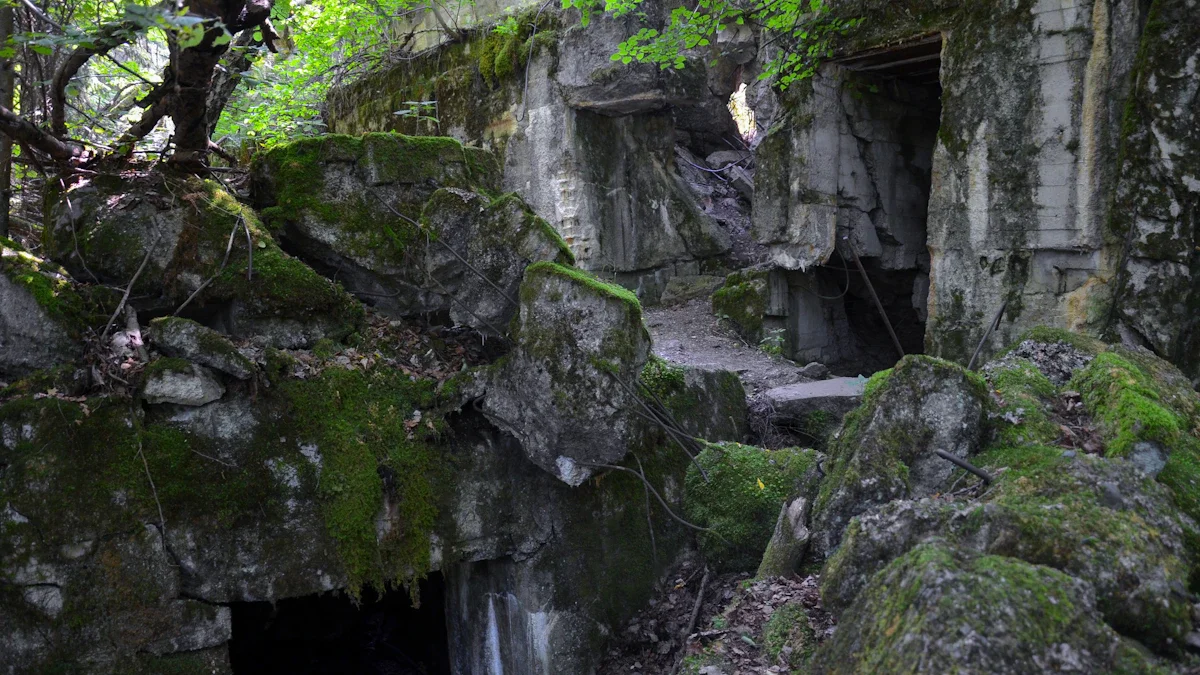
Lithuanian lawmakers are sounding the alarm over a burgeoning, unregulated market for private fallout shelters, warning that without strict construction standards, these structures could become “death traps” rather than safe havens. Linas Jonauskas, Chairman of the Seimas Committee on Environmental Protection, has formally petitioned the Ministry of Environment to establish mandatory technical and construction requirements for residential bunkers.
The move comes as regional geopolitical tensions have sparked a surge in interest among Lithuanian citizens seeking to install private protection on their properties. While the market for survivalist infrastructure is growing rapidly, the legal framework governing how these shelters are built remains dangerously thin.
The Risk of Unregulated Survivalism
According to Jonauskas, a member of the Social Democratic Party, the lack of clear regulations has allowed a “Wild West” scenario to emerge in the construction sector. Numerous companies are now marketing underground shelters to homeowners, often at a significant financial cost. However, without state-mandated technical specifications, there is no guarantee that these structures can withstand the pressures of a conflict or a natural disaster.
“People are investing large sums of money, hoping for protection from war or extreme situations,” Jonauskas stated. “However, when ‘Day X’ arrives, it is unclear whether these structures—built without standardized requirements—might actually become lethal traps for the residents inside. Such buildings must be subject to clear rules so that a shelter justifies its name and actually protects people from various threats.”
The primary concerns involve structural integrity, ventilation systems, and emergency egress. In the absence of specific building codes for bunkers, some contractors may be using standard basement specifications that are not designed to withstand the blast waves, seismic shifts, or the prolonged isolation required in a true emergency scenario.
Hazardous Locations and Infrastructure Conflicts
Beyond the internal safety of the bunkers, the legislative push also addresses where these structures can be legally placed. Jonauskas has urged the Ministry to define clear zones where bunker construction should be restricted or prohibited. This is particularly critical in areas where underground construction could interfere with vital public infrastructure.
“It is essential to clearly regulate the construction of shelters near power transmission lines, above or near engineering networks, and in protection zones,” Jonauskas noted. He also highlighted the danger of building in territories where geological conditions—such as high water tables or unstable soil—could cause a shelter to collapse or flood, endangering both the occupants and the surrounding environment.
For homeowners, the current lack of zoning clarity means they may inadvertently build over gas mains or fiber-optic cables, creating new safety hazards while attempting to mitigate others. The proposed regulations aim to integrate private civil defense into the broader urban planning framework.
Establishing a National Standard for Civil Defense
The Chairman of the Environmental Protection Committee expects that new regulations will bring rational, uniform standards to the industry. By creating a level playing field, the government hopes to ensure that any citizen who pays for a private shelter receives a product that meets verified safety benchmarks.
This legislative effort in Lithuania reflects a broader trend across the Baltic states and Northern Europe, where governments are reconsidering civil defense strategies that had been largely dormant since the end of the Cold War. While public shelters remain a priority for the state, the regulation of private initiatives is seen as a necessary step in a comprehensive national security strategy.
As the Ministry of Environment reviews the proposal, the focus will likely turn to creating a certification process for builders specializing in protective structures. This would allow homeowners to verify the credentials of contractors and ensure that their investments provide genuine security rather than a false sense of safety.
Original reporting by: elta
Source: ELTA


Comments