
Lithuanian Supermarkets Turn Rooftops into Urban Bee Sanctuaries: what residents need to know
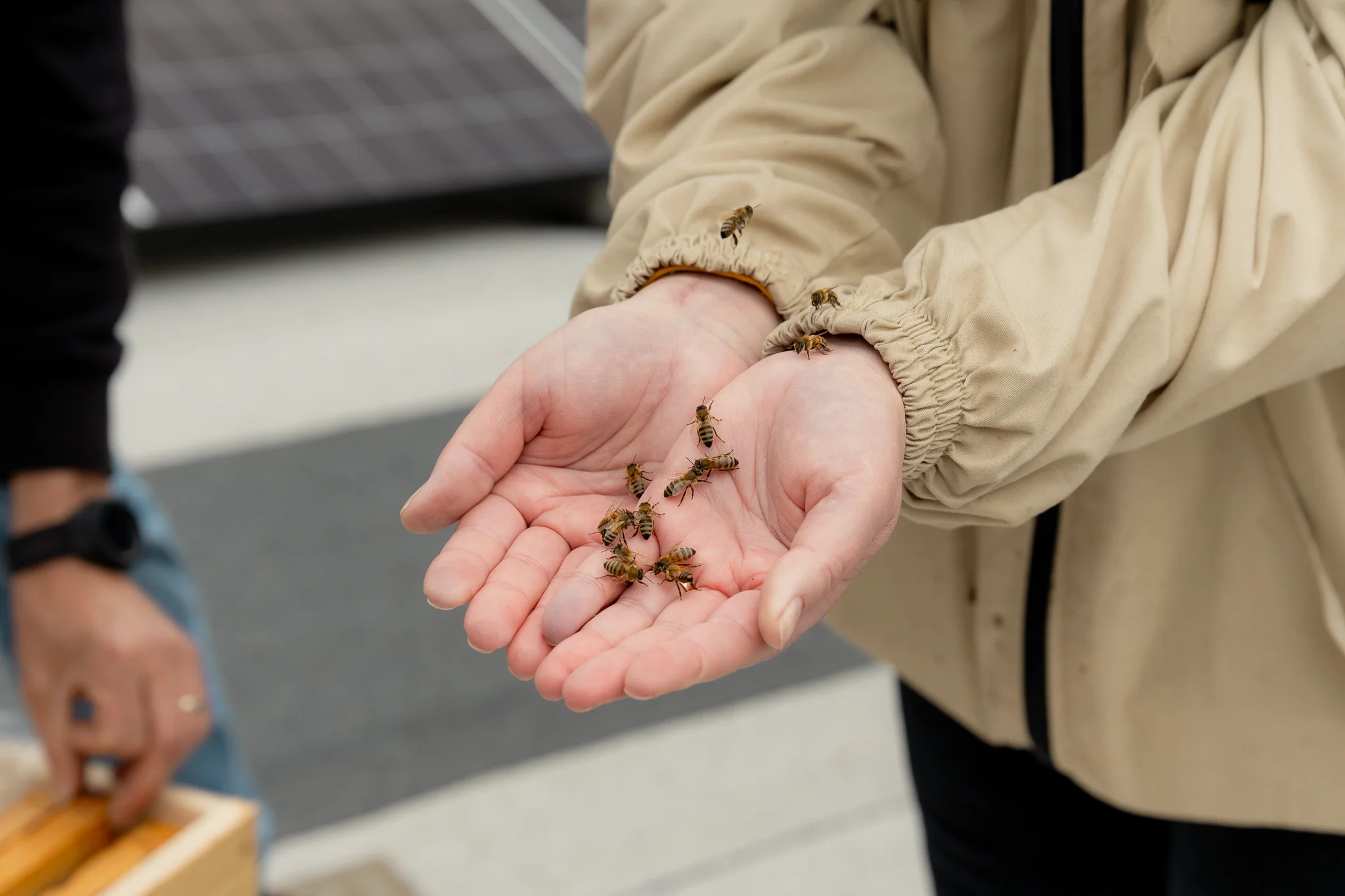
Above the aisles of fresh produce in Lithuania’s major cities, a silent workforce is taking up residence. On the rooftops of “Iki” supermarkets in Vilnius, Kaunas, Klaipėda, and Panevėžys, the traditional hum of industrial air conditioning is being joined by the steady drone of thousands of honeybees. This initiative marks a significant shift in how retail infrastructure is being repurposed to support urban biodiversity.
While shoppers below select strawberries, apples, and nuts, the very creatures responsible for those crops are thriving just a few stories above their heads. The installation of these hives is part of a broader environmental strategy by the retail chain to utilize its vast physical footprint for more than just commerce. By turning flat, unused roof space into active ecological hubs, the project aims to bridge the gap between urban living and the natural systems that sustain our food supply.
Transforming Retail Infrastructure into Ecological Corridors
The move to install beehives is not merely a symbolic gesture but a practical application of urban space. Nijolė Kvietkauskaitė, CEO of IKI Lietuva, emphasizes that sustainability begins with reimagining existing assets. The retail chain’s buildings are significant pieces of city infrastructure, often occupying large footprints in densely populated areas. By integrating solar power and now biological habitats, these structures are evolving from simple points of sale into active participants in the city’s environmental health.
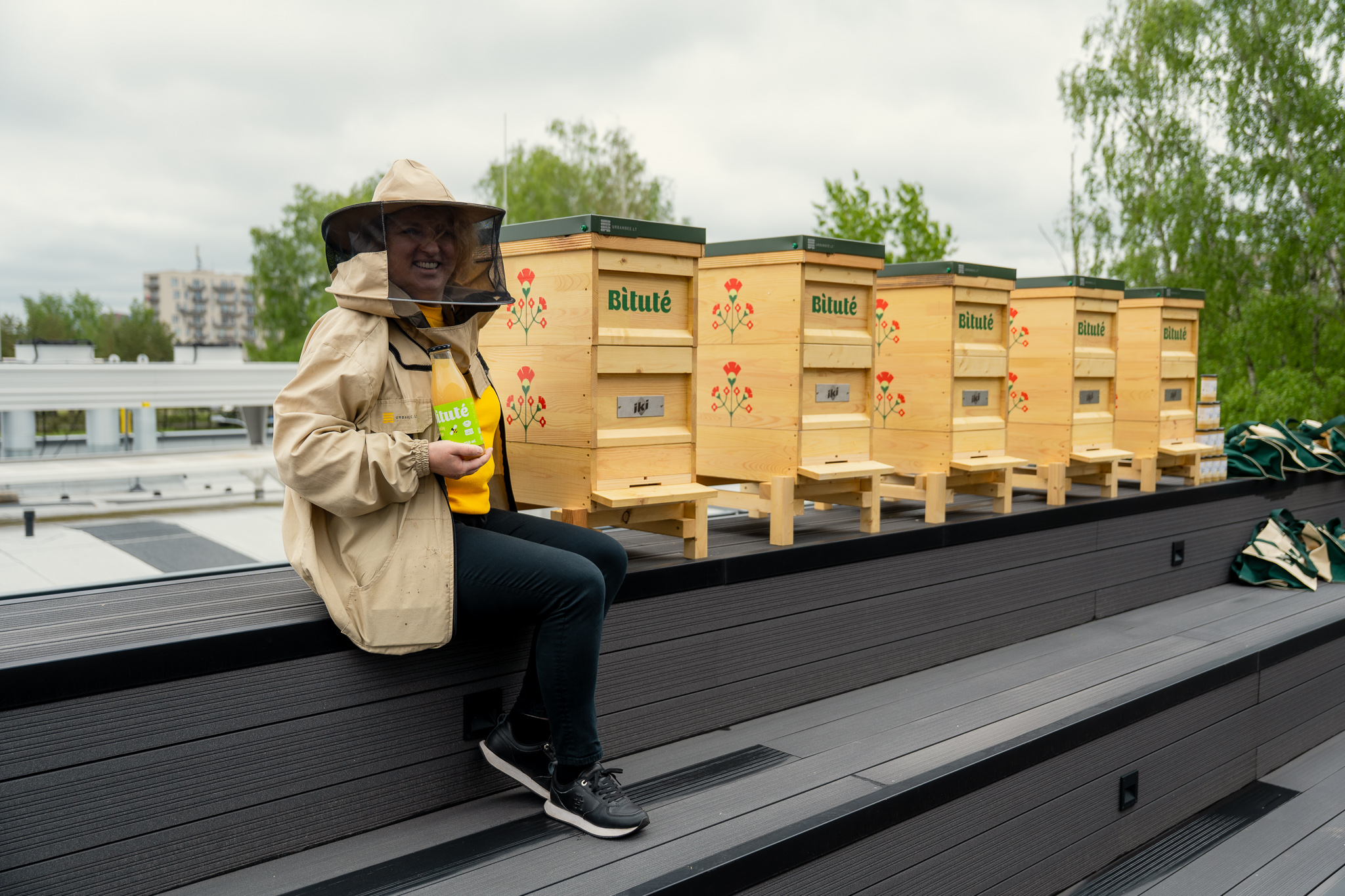
“We have been investing in solar power on our roofs for several years, seeing that our infrastructure can work for the benefit of the environment,” Kvietkauskaitė explains. “Now, part of those roofs will also become homes for bees, which will support biodiversity. We want to show that retail spaces can contribute to a lower environmental impact and a more vibrant city.”
The Surprising Benefits of Urban Environments for Pollinators
It may seem counterintuitive to place beehives in the middle of a bustling city, but urban beekeeping is gaining traction globally for scientific reasons. Cities can often be safer for bees than the modern countryside. In rural areas, intensive monoculture farming and the heavy use of pesticides create a hostile environment for pollinators. In contrast, urban centers offer a diverse tapestry of forage—from balcony flower boxes and private gardens to public parks and lime-tree-lined avenues.
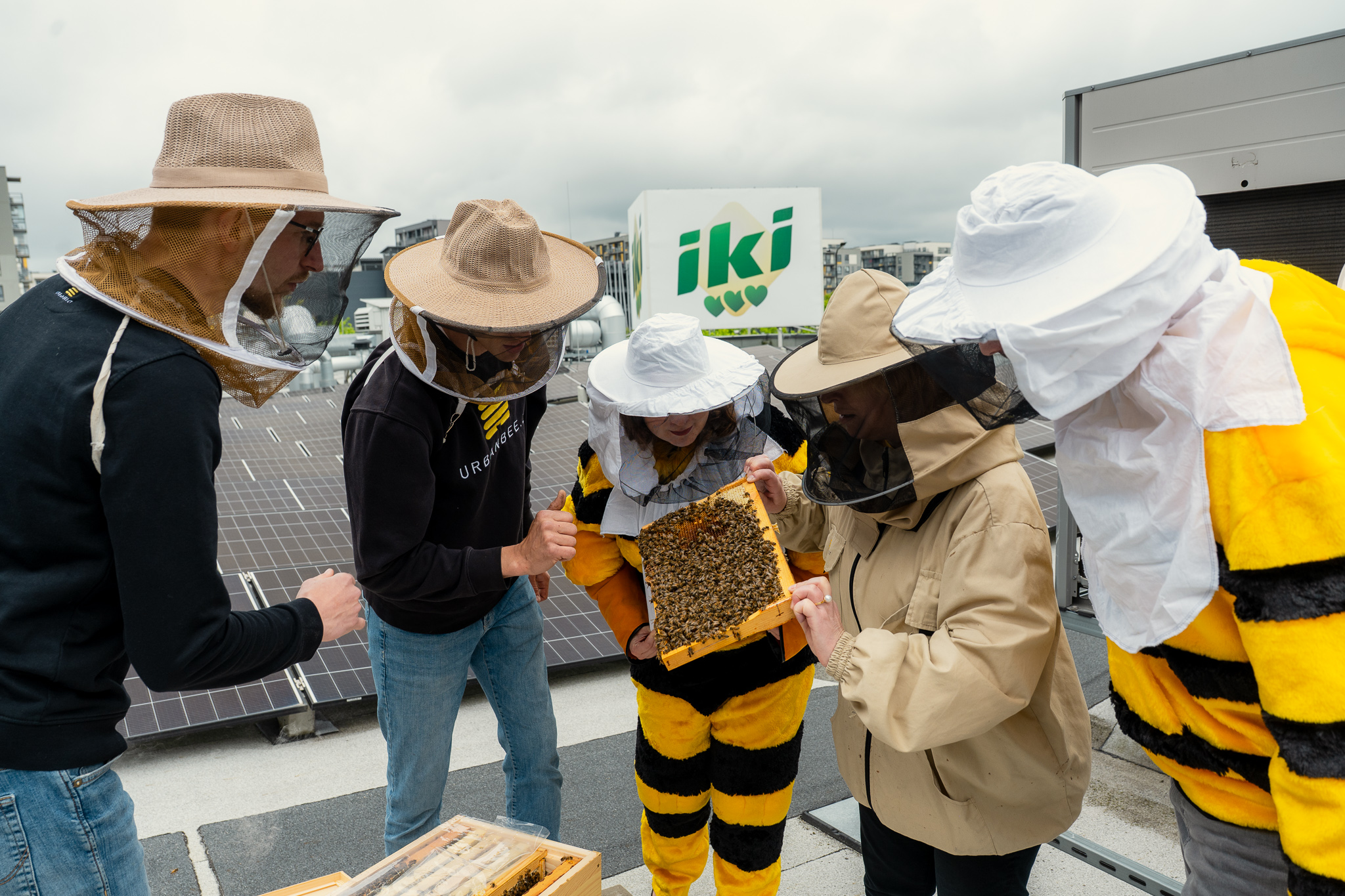
Because cities are generally warmer than the surrounding countryside—a phenomenon known as the urban heat island effect—flowering seasons often last longer. Furthermore, the absence of industrial-scale pesticides in city centers allows bee colonies to thrive with fewer chemical stressors. The bees stationed atop these stores will forage across city parks and residential squares, helping to maintain the vitality of green spaces where nature must constantly compete with asphalt and traffic.
Ensuring Safety and Public Acceptance in High-Traffic Areas
One of the primary hurdles for urban beekeeping is public perception. To address safety concerns, the project has selected the “Buckfast” bee breed, specifically known among apiarists for its gentle temperament and low tendency to swarm. These bees are managed by professional beekeepers from Urbanbee.lt, who ensure the hives are placed in secure locations away from customer foot traffic.
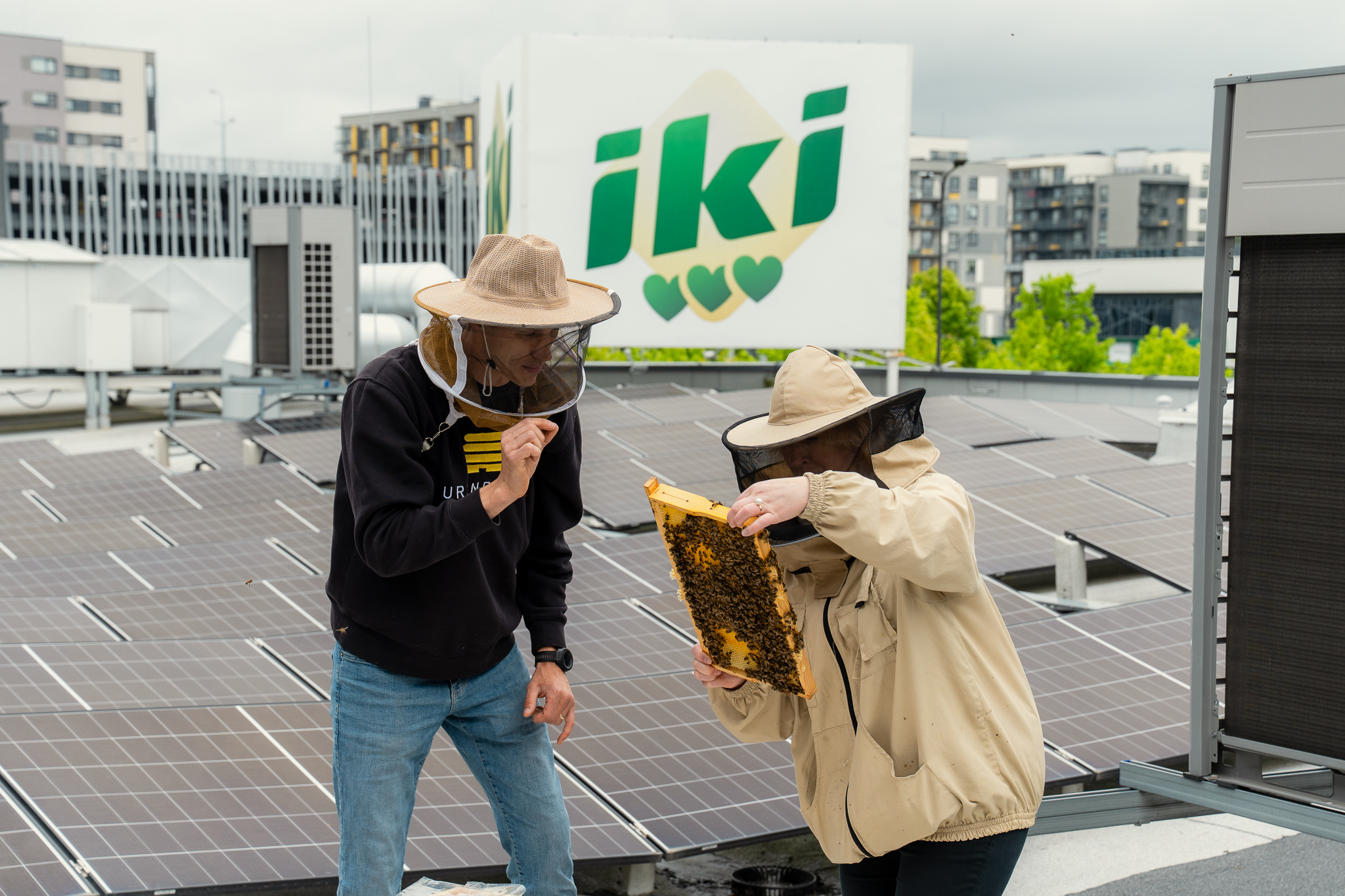
Paulius Chockevičius, founder of Urbanbee.lt, notes that urban beekeeping serves an educational purpose as much as an ecological one. “In the city, there is no need to fear bees; people often confuse them with wasps, which are entirely different insects,” he says. “If you are not a flower, you are simply not interesting to a bee. These hives are an opportunity for people to better understand pollinators and why they are essential to the entire ecosystem.”
A Broader Commitment to Environmental Resilience
The introduction of urban hives is a visible component of a much larger investment. In 2024 alone, the retail chain’s sustainability investments reached €5.5 million. This capital is being directed toward energy efficiency, eco-friendly refrigeration systems, LED lighting, and electric vehicle charging infrastructure.
By placing bees on the roof, the company is providing a living reminder of the connection between the environment and the grocery basket. As Vilius Jorudas, the company’s sustainability manager, points out, if pollinators disappear, the diversity of our diet would collapse. The hives serve as a tangible, local example of how even a busy commercial hub can find space for nature, ensuring that the link between the blossom and the dinner table remains unbroken.
Source: ELTA




Comments