
Loughborough: How Ukraine turns drone strikes into kit
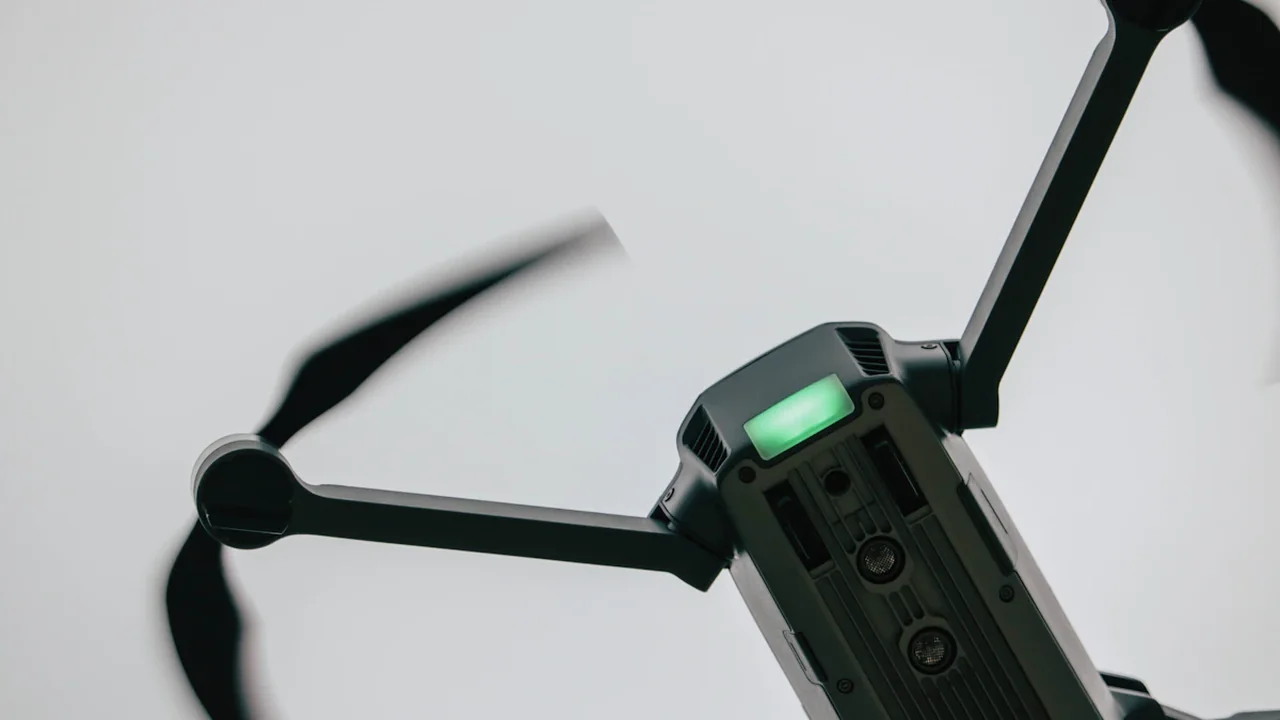
Nearly 820,000 Russian targets were reportedly hit in 2025 in video evidence submitted through Ukraine’s Army of Drones Bonus programme. That figure is presented by Ukraine’s government as evidence that the system is delivering results; it does not independently establish the outcome of every strike.
Professor Sarah Mills examines the programme as an example of warfare being shaped by game-like incentives. Under the scheme, Ukrainian military units earn points and virtual tokens for verified battlefield actions, then use them to obtain frontline equipment through the government’s Brave1 marketplace.
Points become purchasing power for frontline units
The Ukraine Army of Drones Bonus programme began soon after Russia’s full-scale invasion in 2022 and was revamped in 2025. Its premise is direct: units submit video evidence of operations, receive points for approved actions and exchange their accumulated rewards for drones and other equipment.
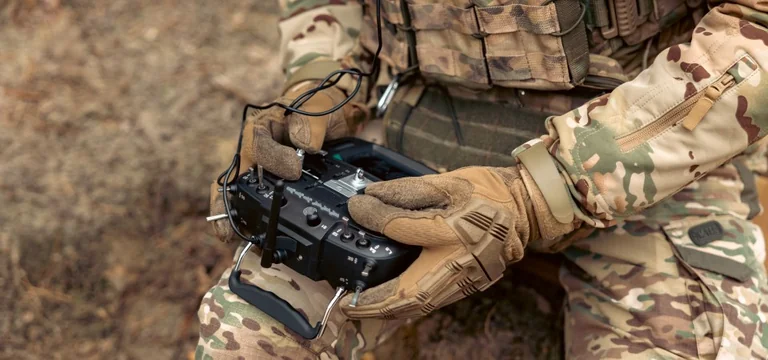
The programme assigns different values to different outcomes. A drone attack that kills a Russian soldier can earn 12 points, damaging a tank 20 points and destroying a mobile rocket system as many as 50 points. The system has also expanded beyond attacks to include reconnaissance and logistics operations.
The values are not fixed simply as a measure of military significance. Ukraine’s former defence minister Mykhailo Fedorov said in 2025 that changing point values allowed officials to observe changes in motivation. Capturing a Russian soldier now earns ten times more points than killing one, reflecting a deliberate shift in the incentives offered to participating units.
The figures behind the drone rewards scheme
By August 2025, military equipment worth more than US$5 million, or £3.7 million, had been delivered through Brave1 as digital rewards, according to the source material. That shows the programme is tied to real procurement rather than a symbolic leaderboard.
The available figures describe equipment delivered and targets reported hit, but they do not show how many individual submissions were rejected, how rewards were distributed between units or whether the points system alone caused participation to rise. The source says more Ukrainian units are now taking part in the competition.
Why researchers call it the gamification of war
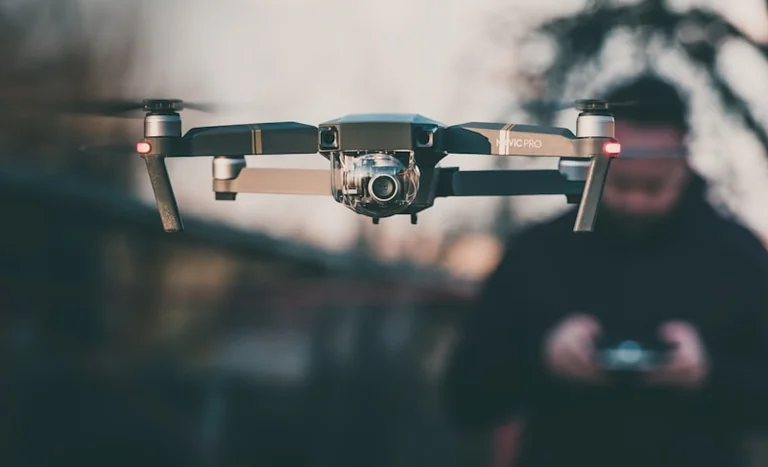
Gamification refers to using features associated with video games—such as scores, rewards and competition—in settings outside entertainment. In this case, the features are applied to training and combat operations during Russia’s war against Ukraine.
Professor Sarah Mills’ discussion places the programme in a wider research question: how digital reward systems can shape behaviour in military organisations. The points have tangible consequences because they can be converted into equipment for use on the frontline, linking recorded operational outcomes directly to access to further drones and supplies.
Source: Loughborough University Press Releases
Context & actions About this article
Source check Source trail
This explainer separates the programme’s reported figures from conclusions that the available source does not independently verify.
- Checked the programme’s launch after the 2022 full-scale invasion and its 2025 revamp.
- Checked the stated points for drone attacks, tank damage and mobile rocket systems.
- Checked the reported value of equipment delivered through Brave1 by August 2025.
- Noted that the 820,000-target figure is attributed to Ukrainian government-submitted video...
- Source
- Loughborough University Press Releases
- Scope
- Ukraine
- Updated
- 2026-08-13 17:00
Source check
Report a trust issue
Send a clear signal to community moderation if the source, facts or context need review.




Comments