
Marcus Aurelius on Focus and Undistracted Work
By Beehive Web Editors
Published 14 June 2026
Marcus Aurelius wrote about attention long before the modern office, the open browser tab or the phone alert existed. His point still feels direct: a person’s life is shaped less by how much they intend to do than by whether they can give the present task their whole mind.
“Do every act of your life as though it were the very last act of your life.”
The line, from Meditations, is often read as a reminder of mortality. It is also a practical instruction about focus. Marcus is not asking the reader to panic, rush or chase intensity. He is asking for undistracted action: the habit of doing the thing in front of you with care, proportion and moral seriousness.
The passage is about attention, not productivity theatre
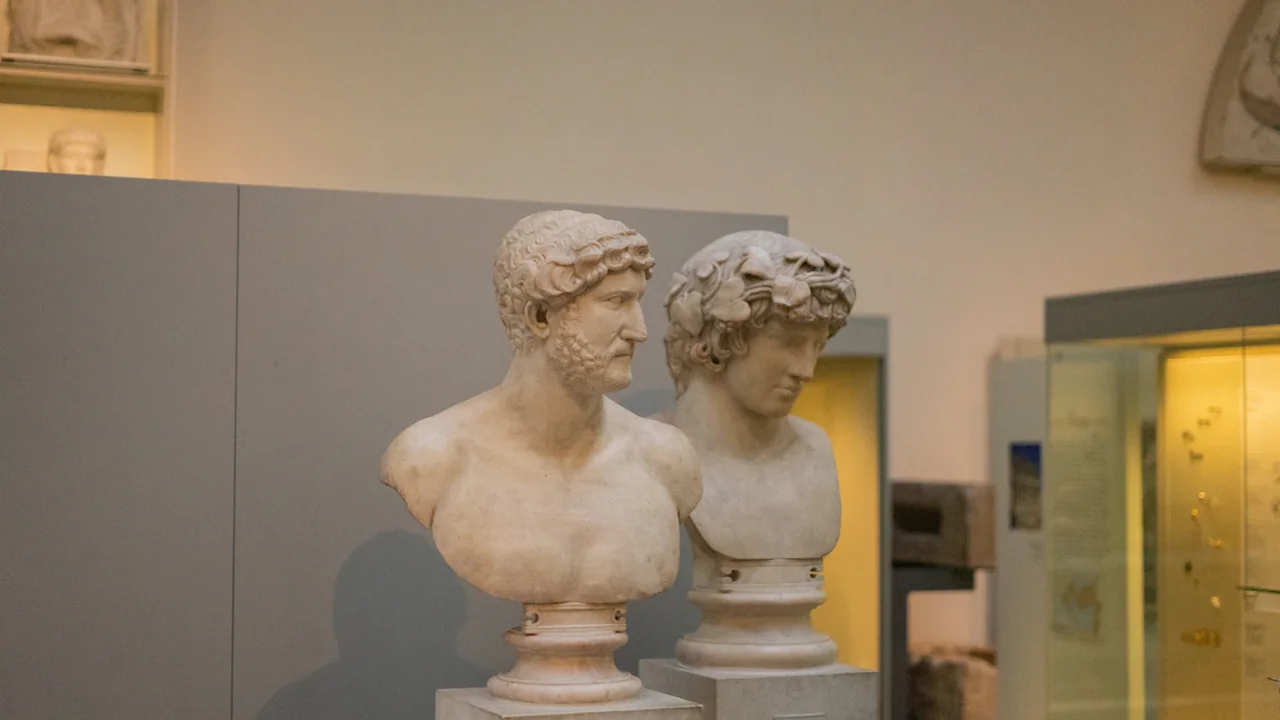
Marcus Aurelius ruled Rome from AD 161 to AD 180. Meditations was not written as a public self-help book, but as private philosophical notes, shaped by Stoicism and by the pressures of imperial life.
That context matters. When Marcus tells himself to act as if each action could be his last, he is not building a calendar hack. He is trying to discipline judgment. In Stoic thought, the quality of an action depends on whether it is guided by reason, justice, self-command and acceptance of what lies outside one’s control.
A focused act, in this sense, is not merely efficient. It is cleaner. It is less contaminated by vanity, resentment, fear or restless comparison. The instruction asks: if this were the action by which your character was measured, would you still do it in this scattered way?
That question lands sharply today because distraction often feels normal. Many people now work in environments where attention is broken into fragments: message notifications, calendar nudges, app badges, background tabs, quick replies and the quiet pressure to be visibly available.
Marcus did not know digital overload. But he did know divided attention. The human problem beneath the technology is old: the mind keeps leaving the task to rehearse worries, seek approval, answer imagined critics or reach for the next stimulus.
Stoic focus begins with choosing the essential act
Another well-known idea from Meditations is that tranquillity comes from doing less, and doing what is necessary. That does not mean shrinking life into passivity. It means removing actions that are performed from impulse, display or fear of missing out.
For modern readers, this is where the phrase “deep work” meets Stoic discipline. Deep work usually means sustained attention on demanding, valuable work. Stoicism adds a moral filter: valuable to whom, and for what purpose?
A Stoic reading of focus asks three questions before the work begins:
- Is this task actually mine to do?
- Does it serve a real duty, promise or priority?
- Can I give it undivided attention for a defined period?
Those questions sound simple, but they expose a common productivity trap. Many people confuse motion with responsibility. They clear minor messages, rearrange lists and skim updates because those actions produce visible progress. The harder task, the one that requires thought, remains untouched.
Marcus’s instruction cuts through that avoidance. If an action matters, perform it as an action worth performing. If it does not matter, admit that and remove it where possible.
Notifications make scattered action feel responsible
The modern challenge is that interruption now often arrives disguised as duty. A notification may be a real need, but it may also be a machine-generated claim on attention. The difficulty is that both appear with the same urgency on a screen.
Multitasking adds a second illusion. It can feel like competence because several things are open at once. In practice, many forms of multitasking are rapid switching: a message, then a document, then a feed, then the document again. Each switch carries a small mental cost, and the deeper work becomes harder to re-enter.
Stoicism does not require a person to abandon tools or reject modern work. It asks for sovereignty over judgment. The phone can ring. The inbox can fill. The decisive question is whether every signal deserves immediate obedience.
Marcus would likely recognise the emotional pattern behind digital distraction: the desire to be elsewhere. A difficult paragraph, budget, design, email or decision creates friction. The mind reaches for relief. A notification gives that relief a respectable name.
This is why focus is not only a time-management issue. It is also a courage issue. Staying with one important task often means tolerating discomfort before clarity arrives.
Deep work becomes easier when the day has one true priority
The most practical way to use this passage is not to redesign an entire life at once. It is to begin the day by naming the one action that would make the day honest.
That action should be concrete enough to finish or meaningfully advance. “Work on strategy” is vague. “Draft the first two pages of the strategy memo” is usable. “Be more focused” is an aspiration. “Turn off notifications and write for 45 minutes before checking messages” is an action.
A simple morning prompt can carry the Stoic idea into ordinary work:
What is the one action today that deserves my undistracted attention?
Then add two supporting questions:
- What distraction am I most likely to obey?
- What boundary will protect the first focused block?
The answer might be modest. It may be one difficult conversation, one page of writing, one lesson plan, one invoice review, one medical appointment to arrange or one hour of study. The point is not grandeur. The point is integrity of attention.
This also prevents a common misuse of Marcus Aurelius. The quote should not become a demand to optimise every waking minute. Stoic focus is not a command to be constantly productive. Rest, conversation and care can also be done with undivided attention.
The quote still matters because attention shapes character
The power of the passage lies in its scale. Marcus moves from one action to an entire life. He suggests that character is not built mainly in dramatic declarations, but in the quality of repeated acts.
A distracted reply, a resentful task, a half-kept promise, a meeting attended only in body: these seem small. But Stoicism treats small actions as training. Each one teaches the mind what kind of person it is becoming.
That is why the quote remains useful in 2026. It does not offer a fashionable system. It offers a standard. Do the present act as if it matters, because it does. Remove what is unnecessary. Refuse the easy escape when the important work becomes uncomfortable.
For a reader surrounded by pings, tabs and unfinished tasks, Marcus Aurelius offers a surprisingly gentle challenge: choose the next right action, then be fully there while you do it.
Source: Editorial research
Context & actions About this article
Source check Background context
This article interprets a widely cited passage from Marcus Aurelius's Meditations in the context of Stoic ethics and modern attention habits.
- Distinguishes the original Stoic context from modern productivity language
- Avoids claims about Marcus Aurelius's private intent beyond the surviving text
- Uses practical application without presenting the quote as a scientific productivity rule
- Scope
- International
- Updated
- 2026-06-14 10:06
Source check
Report a trust issue
Send a clear signal to community moderation if the source, facts or context need review.



Comments