
Marijampolė Woos Diaspora: New Support for Returning Lithuanians
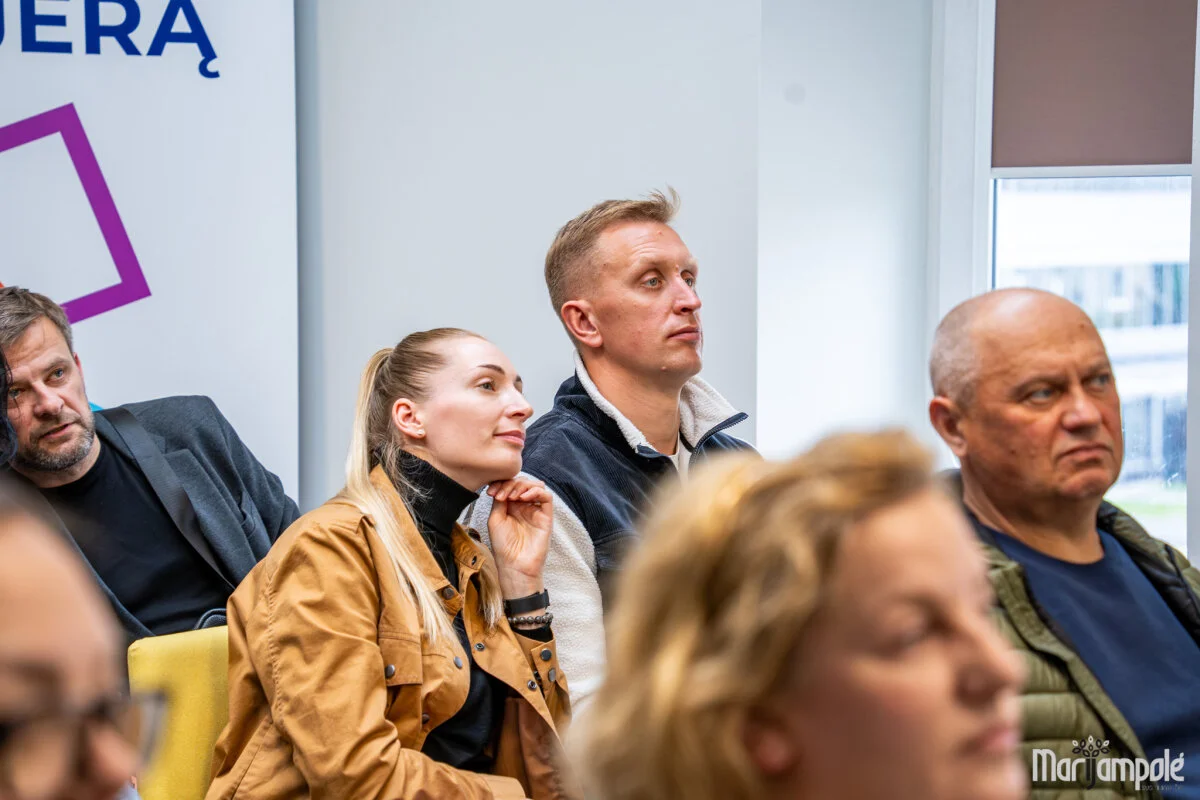
In the heart of the Sūduva region, a strategic shift is taking place. The city of Marijampolė recently hosted an event titled “Welcome Back! Let’s Create the Future in Marijampolė,” signaling a concerted effort to transform from a traditional hometown into a competitive hub for returning professionals and entrepreneurs. The gathering brought together former residents who had sought opportunities abroad—including many from the UK—but are now looking at Lithuania’s seventh-largest city through a new lens.
This initiative is part of a broader national trend where regional municipalities are no longer just waiting for people to return; they are actively pitching for their talent. The event focused on the practicalities of reintegration, moving beyond the emotional pull of home to address the hard realities of the labor market, business startup costs, and educational pivots.
Business and Education Incentives in the Sūduva Region
For those considering a return, the primary concern is often economic viability. Representatives from the Innovation Agency and the “SMART Marijampolė” Tourism and Business Information Center detailed the specific support mechanisms available for new ventures. These agencies provide more than just advice; they offer a roadmap for navigating the Lithuanian regulatory environment, which has become significantly more digital and streamlined in recent years.
Education and retraining were also central themes. The Mykolas Romeris University (MRU) Sūduva Academy presented its current study perspectives, while the Marijampolė Vocational Training Center showcased opportunities for those looking to switch careers entirely. This is particularly relevant for members of the diaspora who may have gained experience in sectors abroad that do not directly translate to the local market but possess the soft skills necessary for the region’s growing industrial and service sectors.
Navigating the Return through EURES and Local Support
The transition from living in a country like the UK back to Lithuania involves significant administrative hurdles. To address this, the event featured EURES (European Employment Services) specialists who help returnees understand their rights and the logistical steps of moving back. This includes everything from social security coordination to job matching services that bridge the gap between international experience and local demand.
Vice-Mayor Ričardas Bagdanavičius, who attended the event, emphasized that the municipality’s role is to act as a facilitator. He noted that the success of these programs depends on the engagement of the returnees themselves—how they take the knowledge provided and apply it to their future careers. The municipality has committed to being an open point of contact, offering advice and seeking solutions for those trying to build a successful life in their native city.
The Broader Shift in Lithuanian Migration
Marijampolė’s proactive stance reflects a wider change in Lithuania’s demographic narrative. For decades, the story was one of mass emigration. However, in the last five years, Lithuania has seen a stabilization and, in some periods, a reversal of this trend. High inflation in Western Europe, combined with the rapid growth of the Lithuanian tech and manufacturing sectors, has made the cost-of-living-to-salary ratio in cities like Marijampolė increasingly attractive.
The event, organized by the Employment Service in cooperation with the Municipal Administration, sent a clear message: the infrastructure for a successful return is now in place. Beyond the familiar streets and family ties, the city is offering a professional ecosystem where career growth and community connection are no longer mutually exclusive. For the Lithuanian diaspora in the UK, the message is that the “new” Marijampolė is ready to support their next chapter.
Original reporting by: marijampole
Source: Marijampolės savivaldybė


Comments