
New Fire Safety Rules for Historic Scottish Building Conversions
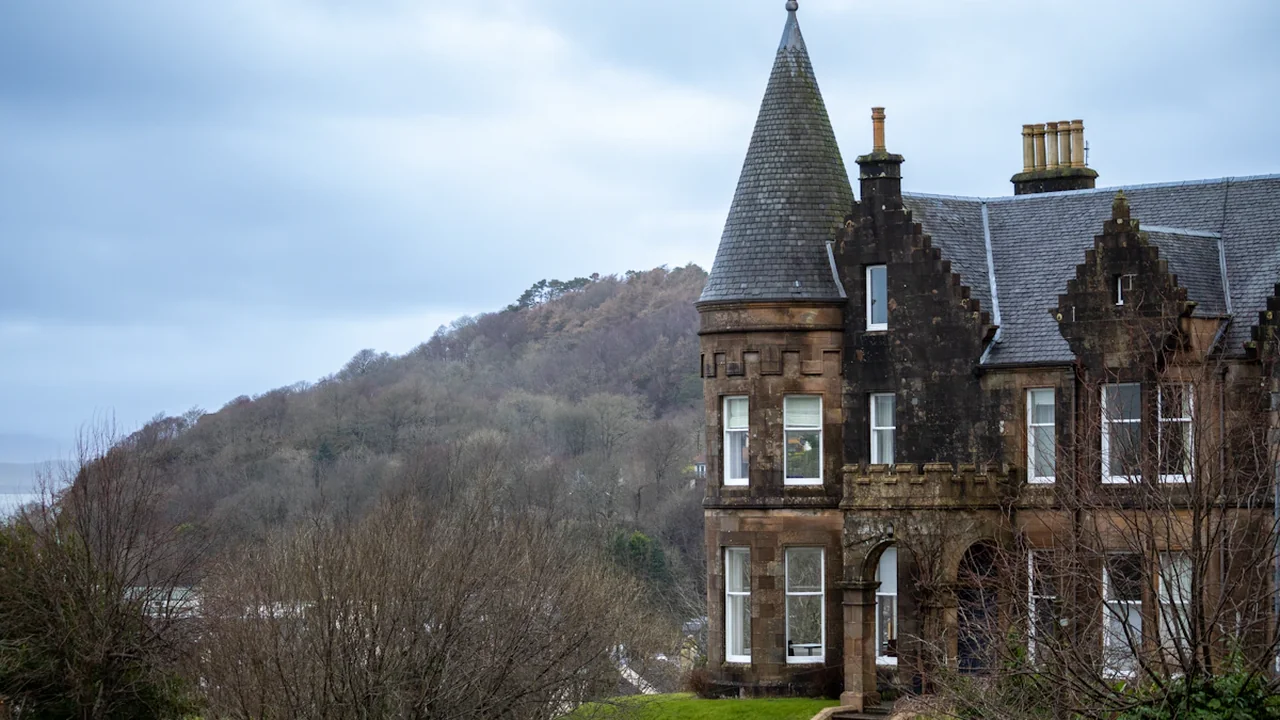
Scotland has introduced landmark guidance to ensure the country’s vast stock of traditional buildings can be adapted for modern use without compromising safety. Covering a national building stock of almost half a million properties, the framework is intended for owners, developers and specialists involved in conversions. It explains how to preserve cultural character while meeting modern requirements for fire safety, accessibility and energy efficiency.
Published by the Scottish Government, the Guide to Conversion of Traditional Buildings is the first guidance of its kind in almost two decades. It forms part of the response to lessons learned from the fatal Cameron House Hotel fire in 2017 and brings together expertise from the building standards, fire safety, engineering and conservation sectors.
Addressing hidden risks in traditional construction
The Fatal Accident Inquiry into the Cameron House fire highlighted how features of older construction, including concealed voids and outdated fire protection, can have devastating consequences. These risks may not be apparent from the visible condition or historic character of a property.
The guidance is designed to help those responsible for a conversion understand such hazards and account for them as part of the project. This means fire safety cannot be treated as an isolated or late-stage addition: it must be considered alongside accessibility, energy performance and the conservation of significant architectural features.
Public Finance Minister Hannah Mary Goodlad described the guidance as a direct response to the inquiry’s findings, intended to give people converting traditional buildings the tools and understanding needed to protect lives.
What the guidance means for conversion projects
Owners and development teams will need to examine how the particular construction of a traditional building affects proposed changes. A solution appropriate for a modern structure may not transfer directly to a historic property, so the guidance supports proportionate and informed decisions based on the risks and characteristics of each building.
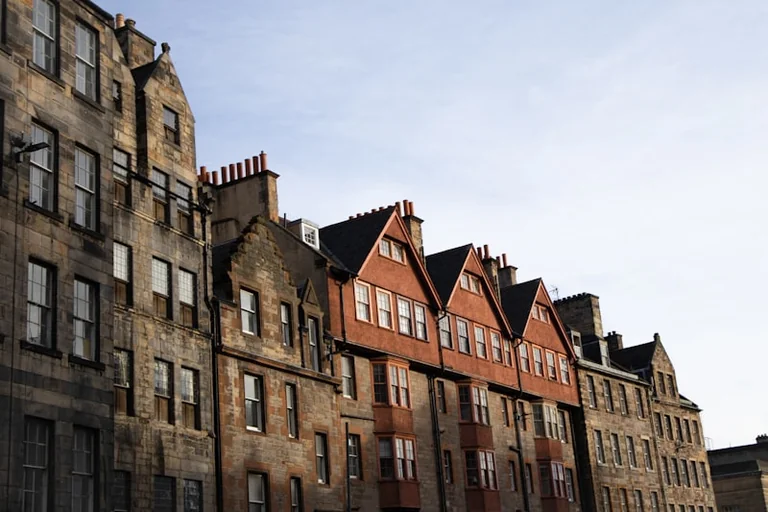
The practical aim is to help project teams resolve competing requirements without assuming that safety and conservation are incompatible. Historic Environment Scotland said the guidance reflects a collaborative approach and should support conversions that protect people while retaining cultural significance.
Supporting sustainable regeneration
The initiative also supports Scotland’s wider ambition for sustainable, low-carbon development. Adapting existing buildings can keep them in productive use and avoid defaulting to demolition and new construction. According to Historic Environment Scotland, this approach can protect local identity while contributing to regeneration, economic prosperity and community wellbeing.
Mandatory sprinklers in hotel conversions
The guidance complements Simon and Richard’s Law, named in honour of the victims of the Cameron House Hotel fire. Passed by the Scottish Parliament, the legislation has made sprinklers mandatory in traditional buildings that are newly converted into hotels.
For those projects, automatic fire suppression is therefore a requirement rather than an optional improvement. The new guide provides broader technical context for integrating that protection with other necessary upgrades while respecting the building’s architectural significance. Owners and professionals planning a traditional-building conversion can consult the Scottish Government’s published guide when assessing the work required.
Source: Scottish Government News
Context & actions About this article
Source check Official Government Guidance
This article is based on official guidance published by the Scottish Government regarding building standards and fire safety.
- Cross-referenced with the official Guide to Conversion of Traditional Buildings published...
- Verified the legislative context regarding the Cameron House Hotel fire inquiry and the su...
- Source
- Scottish Government News
- Scope
- Scotland
- Updated
- 2026-08-11 15:30
Source check
Report a trust issue
Send a clear signal to community moderation if the source, facts or context need review.




Comments