
Newham secures lower taxes and food waste collections in budget breakthrough
Newham is set to maintain some of the lowest council tax rates in London while exiting emergency government support ahead of schedule. The 2026/27 draft budget outlines a transition toward long-term financial sustainability, forecasting surpluses of £13 million and £15 million in the coming years.
📌 Key Highlights
* Council Tax: Proposed at 4.99%, the lowest in outer London and 6th lowest across the capital.
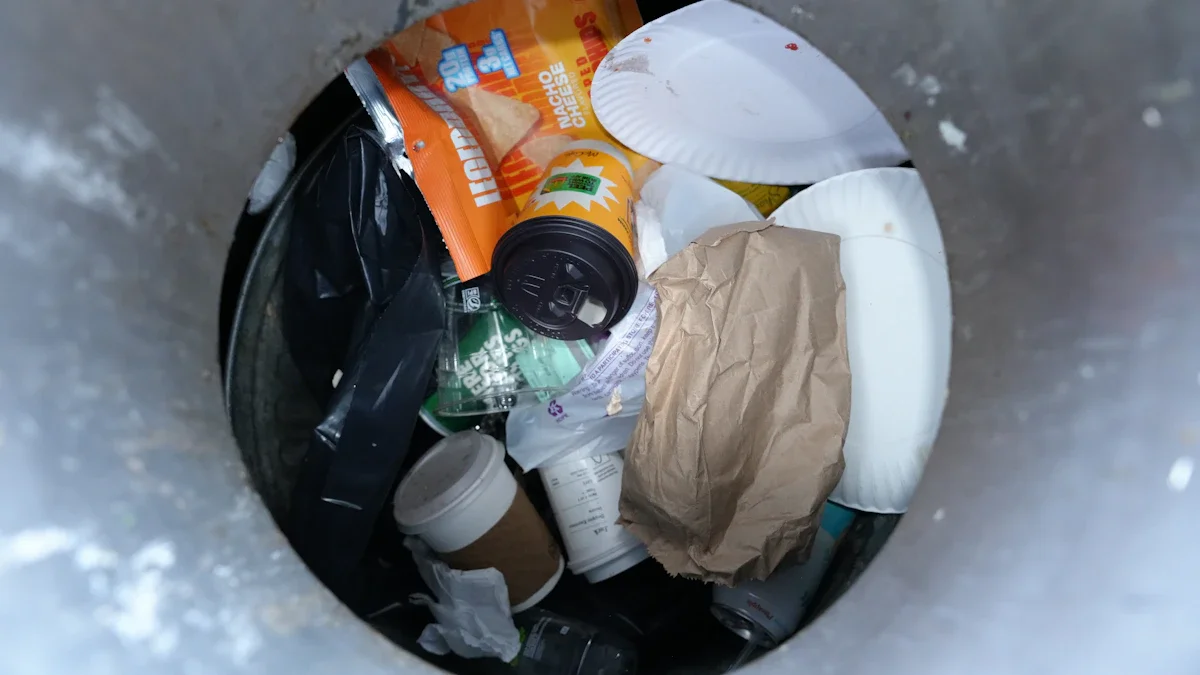
* Waste Management: £2.4 million investment to roll out weekly food waste collections borough-wide.
* Housing Savings: A £15 million reduction in temporary accommodation costs through improved local management.
* Financial Independence: Early exit from Exceptional Financial Support (EFS) measures.
Local tax rates and household impact
The draft financial plan sets the Newham council tax rate at 4.99%, which includes the adult social care levy. This positioning keeps the borough significantly more affordable than its neighbors in outer London. This decision follows a period where Newham was one of only seven London authorities requiring emergency government intervention. The early exit from emergency government funding indicates a stabilization of the local economy and more efficient use of municipal resources.
Targeted investment in frontline services
| Investment Area | Financial Impact / Detail |
|---|---|
| Food Waste Collection | £2.4 million over two years for borough-wide rollout |
| Temporary Accommodation | £15 million reduction in predicted costs |
| Future Surpluses | £13m (2027/28) and £15m (2028/29) projected |
| Social Care | Continued investment in Adults and Children’s services |
Resources are being redirected from administrative overheads to direct resident support. This includes the “smarter use of buildings” strategy, which generates savings by reducing office space and reinvesting that capital into youth services and elderly care.
Leadership on the financial turnaround
Mayor Rokhsana Fiaz OBE stated that the draft plan represents a shift toward “investing for fairness.” She noted that the borough no longer requires Exceptional Financial Support from the central government, attributing the change to a fairer funding settlement and sound local decision-making.
Councillor Zulfiqar Ali, Cabinet Member for Finance, emphasized that the budget was built on resident feedback. “They told us clearly: keep the borough safe and clean, support young people, and keep council tax affordable,” Ali said.
Residents can review the full draft proposals and submit their feedback online before the final budget vote in February.
Frequently Asked Questions
Why is Newham’s 2026 budget considered a financial turning point for the borough?
The 2026/27 budget marks Newham’s official exit from Exceptional Financial Support (EFS) ahead of schedule. By moving from emergency government intervention to a self-sustaining model, the council is now forecasting significant surpluses—£13 million in 2027/28 and £15 million in 2028/29. This shift was achieved by slashing £15 million in temporary accommodation costs and reducing administrative overheads, allowing the borough to reinvest in frontline services rather than debt repayment.
When does the new weekly food waste collection start and how can I participate?
The borough-wide rollout is supported by a £2.4 million investment over the next two years. While the rollout follows the 2026/27 budget implementation, residents should prepare by checking their current bin sets. The council will provide dedicated food waste caddies to households as the service expands ward-by-ward. You can track your specific street’s transition date via the Newham Council waste portal once the final schedule is published.
How does Newham’s council tax increase compare to other London boroughs?
At 4.99% (which includes the Adult Social Care levy), Newham’s rate is set to be the lowest in outer London and the 6th lowest across the entire capital. Despite the increase, the borough remains a lower-tax alternative to neighboring areas, largely because the council successfully redirected funds from ‘smarter use of buildings’ and office space reductions back into the general fund to keep household bills manageable.
What are the next steps for the budget, and how can residents have their say?
The current figures are part of a draft financial plan. The next step involves a formal consultation period where residents can provide feedback on how the redirected savings—specifically the funds moved from administrative buildings to youth and elder care—should be prioritized. You can view the full draft and submit your comments through the ‘Budget Consultation’ section on the Newham Council website before the final vote in early 2026.
Source: Newham Council




Comments