
North Yorkshire shoppers warned over AI high street scams: what residents need to know
By Beehive Web Consumer Desk
North Yorkshire shoppers are being urged to check online retailers before paying after trading standards officers warned of AI-generated scam websites posing as familiar UK high street shops.
The warning, issued in 2026 by North Yorkshire Council, applies to residents buying online from websites and social media ads that appear to show British shopfronts, smiling customers and professional product photography. Officers say some of those images and website descriptions are being created with artificial intelligence to make overseas sellers look like established UK businesses.
The cost can be immediate: lost payments, poor-quality goods, potentially unsafe products and little practical chance of getting a refund once the seller turns out to be outside the UK.
AI-made shopfronts are being used to build trust
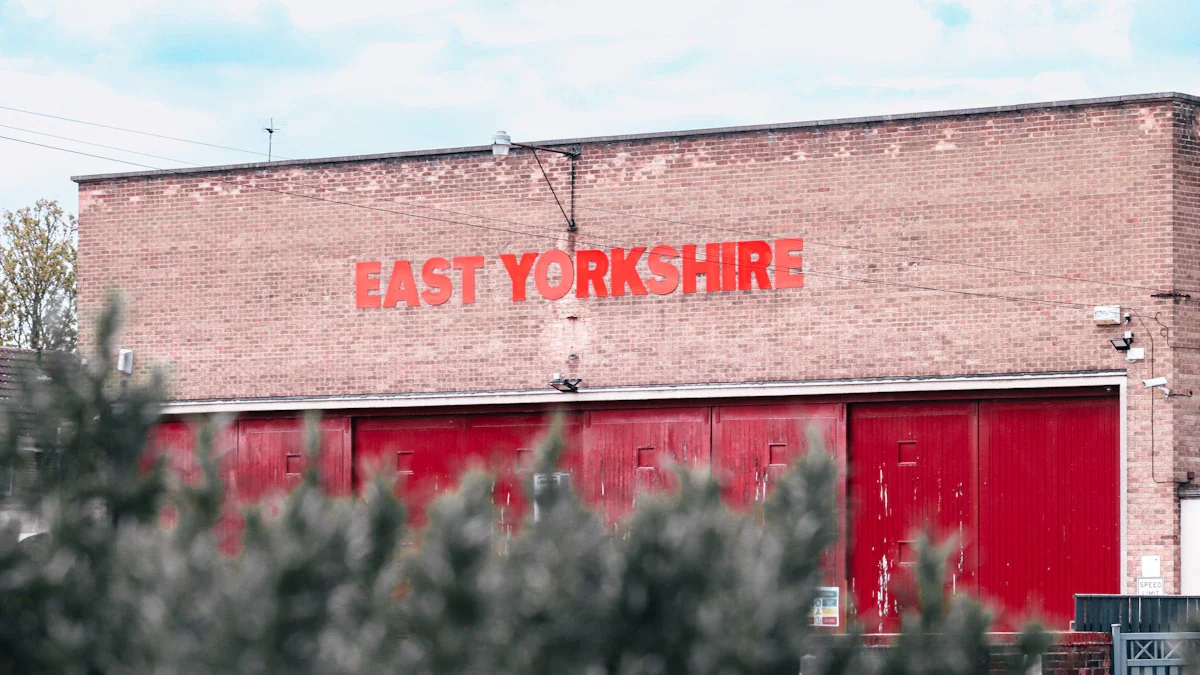
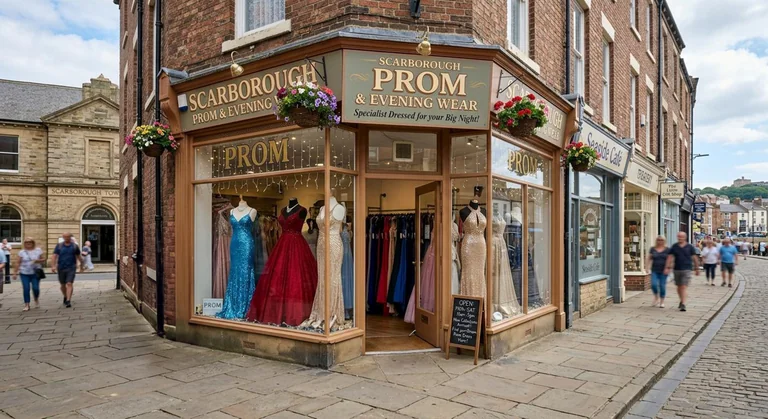
The scam works by copying the visual cues shoppers associate with legitimate UK high street retailers. A website may show a polished storefront in London or another British town, use familiar retail language, and present itself as a small or established UK business.
North Yorkshire trading standards officers say the reality can be very different. Behind the professional appearance may be AI-generated imagery, anonymous website operators and overseas sellers, primarily based in China.
That matters because a convincing photograph of a shop is no longer reliable proof that a business has a real UK premises. A fake retailer can now create a full-looking brand identity quickly: customer images, shopfront pictures, product descriptions and social media posts that appear more credible than older scam sites.
The warning is aimed at ordinary bargain hunters, not specialist technology users. These sites often appear when people are looking for discounts, seasonal deals or products promoted through social media advertising.
Around 20 North Yorkshire complaints a month
Councillor Richard Foster, North Yorkshire Council’s executive member for managing the environment, whose responsibilities include trading standards, said officers are receiving complaints from around 20 residents every month who believed they were buying from genuine UK businesses.
“Instead, many have either lost their money entirely or received poor quality, and potentially unsafe, goods,” he said.
“In many cases, people then discover it is virtually impossible to return the items or obtain a refund, leaving them out of pocket with no recourse.”
The local impact is not limited to one type of product. The risk sits in the buying process itself: shoppers may be reassured by a British-looking brand, only to find later that the legal seller, return route and customer service operation are not what the website implied.
Councillor Foster said AI has positive uses when handled responsibly, but it is increasingly being used to mislead shoppers who might otherwise avoid anonymous overseas sellers and choose reputable UK businesses.
Checks to make before pressing buy
Trading standards advice is to pause before paying, especially if a site is unfamiliar or has appeared through a social media advert.
Check whether the business provides clear contact details. Online sellers must provide contact information, and those details should be easy to verify. If a website gives no proper address, no working phone number or only vague contact forms, shoppers should treat that as a warning sign.
If a shopfront image is shown, look it up using online street maps. A real-looking frontage may not match the claimed address, or the address may belong to a different business entirely.
Read reviews and social media comments carefully. A large number of similar comments, very new reviews, disabled comments or complaints about non-delivery can all point to a risky seller.
Check when the website and social media account were created. Scam sites are often newly made, then promoted aggressively for a short period before disappearing.
If the business claims to be a limited company, check the company details through the government’s business and industry records. That can show who operates the company and when it was set up.
These checks do not guarantee that every purchase will go smoothly, but they can expose the most common warning signs before money leaves a bank account.
Refunds and reports after a suspected scam
Anyone in North Yorkshire who has already paid for goods that did not arrive, arrived in poor condition or appear unsafe should keep order confirmations, payment records, screenshots of the website and any messages from the seller.
Those details can help when speaking to a bank, card provider or consumer adviser. They also help trading standards understand how the websites are presenting themselves to local residents.
People who want to report a website or get advice about faulty goods or non-delivery can contact the Citizens Advice Consumer Helpline on 0808 223 1133, or use webchat through the Citizens Advice website.
Councillor Foster said shoppers should spend a few minutes confirming who they are buying from and questioning whether a business and its products really are as advertised.
Source: North Yorkshire Council
Context & actions About this article
Source check Source trail
This article is based on North Yorkshire Council’s 2026 trading standards warning and keeps the advice focused on verifiable consumer checks.
- Confirmed the warning concerns AI-generated scam websites posing as UK high street retaile...
- Kept the local complaint figure to the council-stated level of around 20 residents per mon...
- Preserved the named reporting route through the Citizens Advice Consumer Helpline.
- Used North Yorkshire as the factual geographic scope rather than the publisher name.
- Source
- North Yorkshire Council
- Scope
- North Yorkshire
- Updated
- 2026-05-27 12:19
Source check
Report a trust issue
Send a clear signal to community moderation if the source, facts or context need review.


Comments