
Ofgem Energy Price Cap: July 1 Bills Set to Fall to £1,550
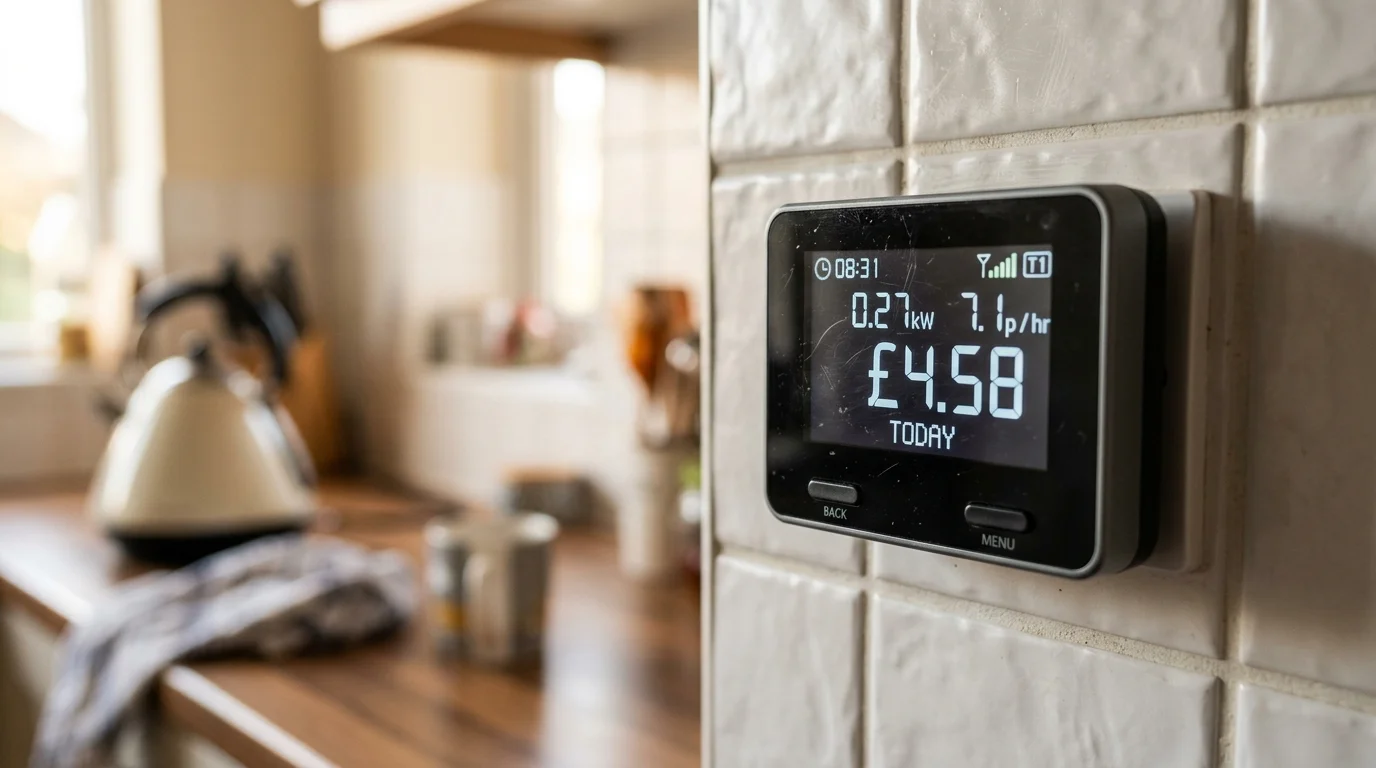
Ofgem is officially announcing the new energy price cap today, May 21, which will set the maximum rates for 27 million households across Great Britain from July 1 to September 30, 2026. Market analysts from Cornwall Insight project that the typical annual bill will settle between £1,550 and £1,600, representing a marginal decrease from the current quarter. This shift is driven by a period of relative stability in wholesale gas markets, offering a modest reprieve for consumers on standard variable tariffs.
Projected Energy Rates: Comparing July to Current Costs
The price cap does not limit your total bill; rather, it limits the amount a supplier can charge for each unit of gas and electricity used, alongside the daily standing charge. For a household with typical usage, the following table illustrates the expected change in annual costs based on current market data.
| Metric | April – June 2026 (Current) | July – Sept 2026 (Projected) |
|---|---|---|
| Typical Annual Bill | £1,690 | £1,550 – £1,600 |
| Household Coverage | 27 Million | 27 Million |
| Market Trend | Stable | Marginal Decrease |
These figures are based on the Typical Domestic Consumption Values (TDCV) used by Ofgem to help consumers compare deals. If you use more energy than the average household, your bill will be higher than the headline figure. Conversely, those in smaller properties with lower consumption will see lower total costs.
The Difference Between Unit Rates and Your Final Bill
It is a common misconception that the price cap is a hard ceiling on what you will pay. It is vital to understand that your total monthly or quarterly cost remains entirely dependent on your actual consumption. The cap applies specifically to the unit rate (pence per kWh) and the standing charge (the fixed daily cost for being connected to the grid).
If the cap falls as predicted, the cost of running high-energy appliances like tumble dryers or electric heaters will decrease slightly. However, because the July-to-September period typically involves lower heating demand, the financial impact may not be immediately visible in monthly direct debits until the following winter cycle. Many suppliers smooth out payments across the year, meaning a lower cap in summer helps build credit for the colder months.
Wholesale Market Stability and the Role of Cornwall Insight
Cornwall Insight, a leading energy research firm, has noted that wholesale gas prices—the price suppliers pay for energy before selling it to you—have stabilized after years of extreme volatility. This stability allows Ofgem to lower the cap without risking the financial viability of energy suppliers.
Jonathan Brearley, CEO of Ofgem, has previously emphasized that while the market is stabilizing, it remains sensitive to global geopolitical events. The Department for Energy Security and Net Zero continues to monitor these rates to ensure that the transition to the new cap remains transparent. Analysts suggest that while we are unlikely to return to the ultra-low prices seen before 2021, the current trend suggests a ‘new normal’ where prices fluctuate within a narrower, more predictable range.
Standing Charges: What to Expect from July 1
One of the most debated aspects of the price cap is the standing charge. This is the fixed daily amount you pay regardless of how much energy you use. It covers the cost of maintaining the pipes and wires that bring energy to your home, as well as the costs of failed suppliers.
While unit rates are expected to fall, standing charges have remained stubbornly high in recent quarters. Ofgem is currently reviewing how these charges are structured, but for the July 1 update, they are expected to remain largely unchanged. This means that low-energy users—such as those in flats or those who are consciously reducing their usage—will still see a significant portion of their bill made up of these fixed costs. Consumers are advised to check their specific regional rates, as standing charges vary significantly between London, Scotland, and the North of England.
Source: Ofgem
Context & actions About this article
Source check Market Analysis & Regulatory Update
This report is based on official scheduling from Ofgem and Q3 2026 projections provided by Cornwall Insight.
- Cross-referenced current April-June rates with projected July-September figures.
- Verified wholesale gas price trends through Cornwall Insight press releases.
- Confirmed the number of households affected with Ofgem regulatory data.
- Source
- Ofgem News and Views
- Scope
- United Kingdom
- Updated
- 2026-05-21 10:47
Source check
Report a trust issue
Send a clear signal to community moderation if the source, facts or context need review.




Comments