
Paris Council to Debate Major Urban Transformation and School Closures
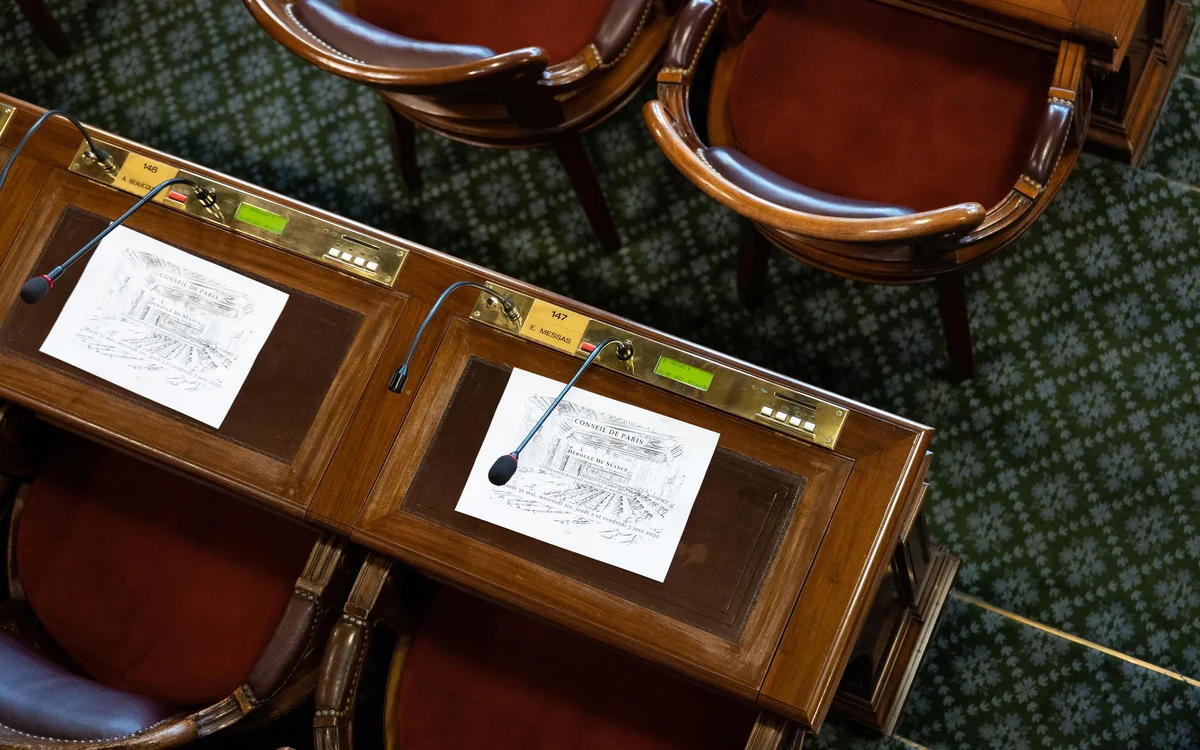
The Council of Paris is set to convene from May 19 to May 22, 2026, to finalize a series of sweeping reforms aimed at redefining the city’s public spaces and addressing a looming crisis in the state school system. The four-day session will prioritize the “transformation of daily life,” focusing on urban greening, pedestrian safety, and the controversial closure of over 100 school classes across the capital.
The proceedings began on Tuesday, May 19, with formal tributes to Lionel Jospin, the former Prime Minister and Paris councillor, and Patrick Trémège. However, the legislative focus quickly shifted to the “transformation of the public space,” a policy pillar that seeks to reconcile the city’s historic infrastructure with modern environmental and safety demands.
Five Priorities for a Changing Capital
City officials have outlined five core priorities intended to make Paris more liveable as it faces increasing pressure from climate change and urban density: cleanliness, security, greening, accessibility, and daily transport. The strategy involves a significant decluttering of pavements to improve pedestrian flow and a coordinated effort to reduce the impact of the city’s ubiquitous roadworks.
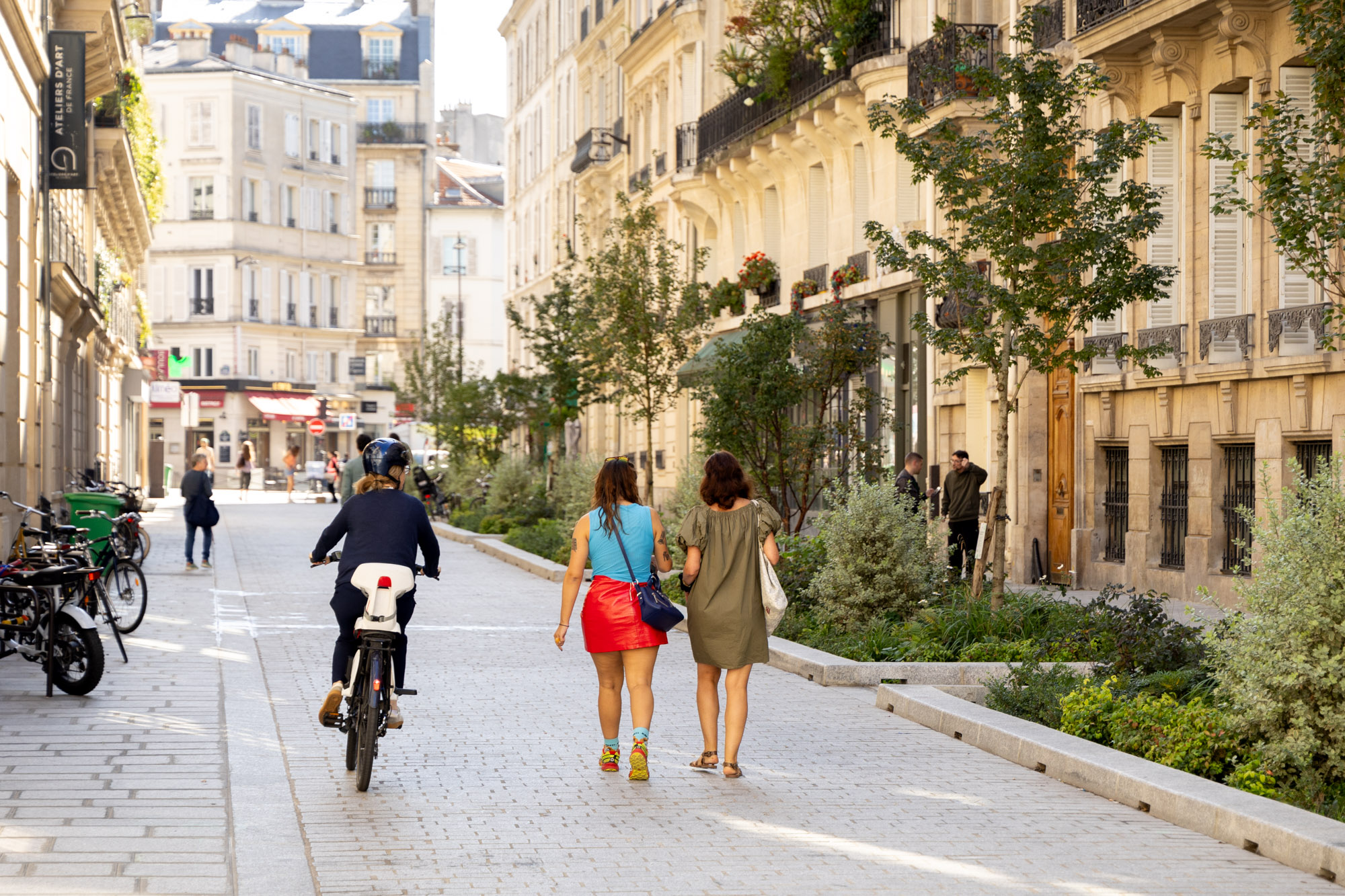
To combat the “urban heat island” effect, the council is proposing the creation of more “islands of freshness”—shaded, green zones designed to offer respite during the increasingly hot Parisian summers. This includes the development of more “Rue aux enfants” (children’s streets), such as Rue Chaptal in the 9th arrondissement, which are pedestrianized to provide safe play areas. Furthermore, the city plans to introduce new express bus lines to streamline commutes and reduce reliance on private vehicles, mirroring similar low-traffic initiatives seen in major UK cities like London and Manchester.
Education Crisis Amid Demographic Shift
While urban aesthetics and transport dominate the early sessions, the most contentious debate is scheduled for Wednesday afternoon. The council will address the future of Paris’s public schools following an announcement from the Paris Academy regarding significant cuts for the September 2026 academic year.
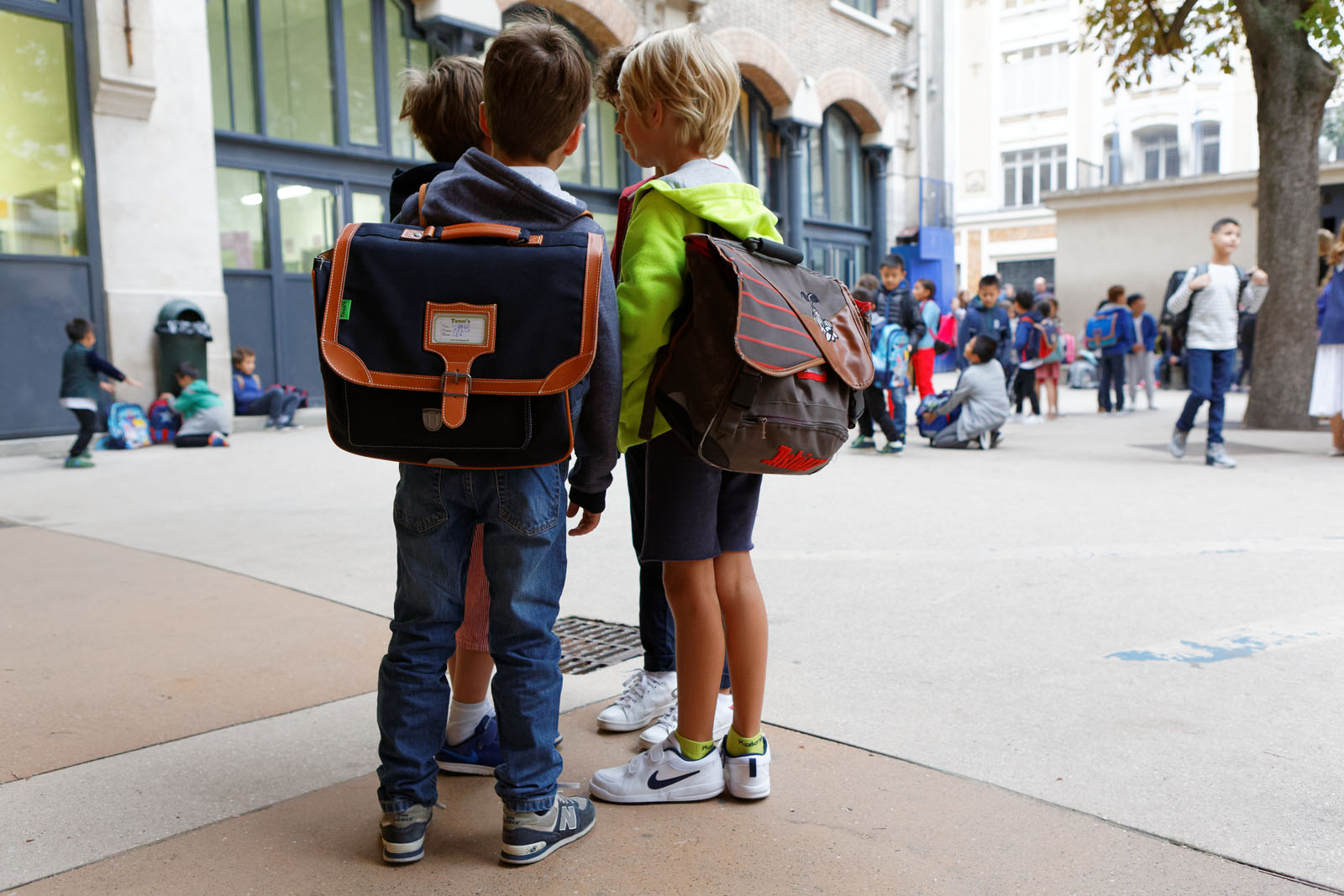
The current projections suggest 139 class closures in primary schools and the suppression of 112 posts in secondary education. These cuts are a direct response to a sustained demographic decline; Paris has seen a steady exit of families over the last decade, leading to a shrinking student population.
City officials, however, are pushing back against a purely mathematical approach to school management. The municipality argues that the reduction in student numbers should be viewed as an opportunity to reduce class sizes and improve learning conditions rather than a mandate for closures. Local leaders are also highlighting persistent issues that the demographic shift has failed to solve, such as the chronic shortage of substitute teachers, which currently leaves up to 200 classes without an instructor on any given day.
Public Access and Civic Engagement
As the council works through its agenda on Thursday and Friday, the sessions remain open to the public, a hallmark of the city’s commitment to civic transparency. Residents and observers can attend the debates at the Hôtel de Ville, provided they follow strict security protocols, including the surrender of identification for a visitor badge.
The outcome of these debates will likely set the tone for Parisian urban policy for the remainder of the decade. For international observers and UK residents interested in urban planning, the Paris model represents a high-stakes experiment in whether a historic capital can successfully pivot toward a “greener” future while managing the social pressures of a declining birth rate and shifting population dynamics.
Source: Mairie de Paris



Comments