
Plymouth to keep two Laburnum trees on Armada Way
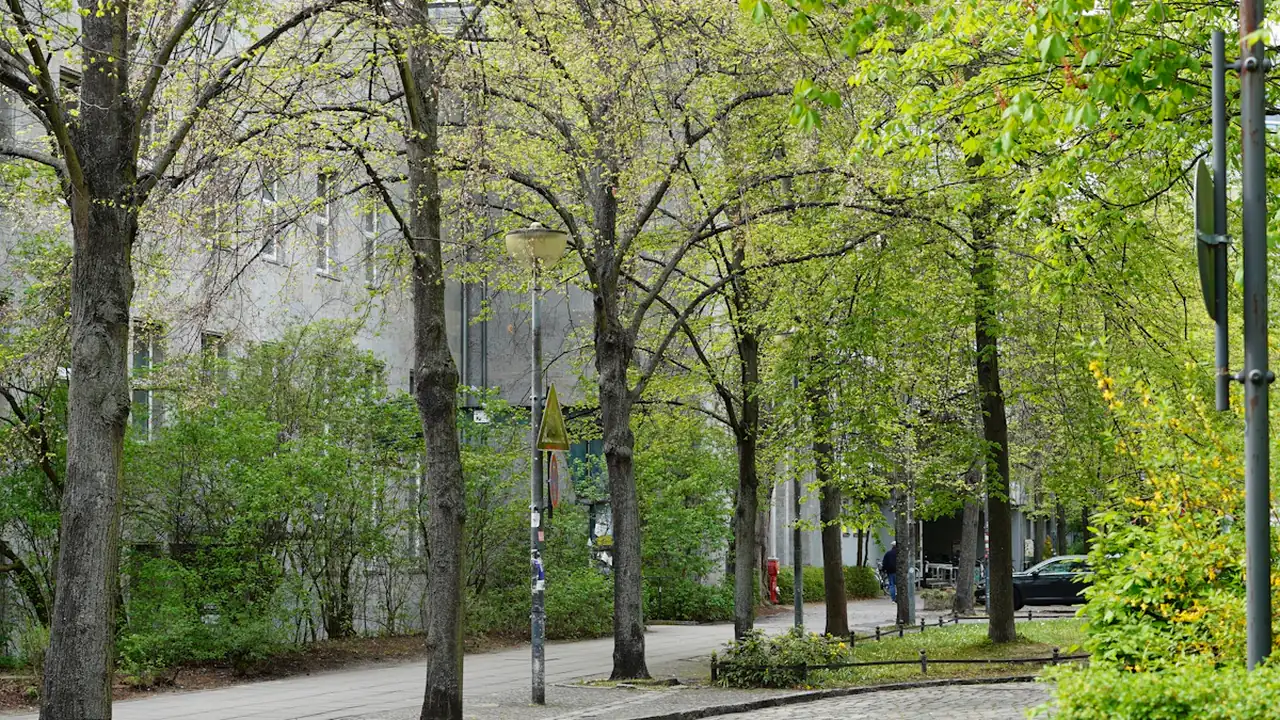
Plymouth City Council has confirmed a revised management plan for three Laburnum trees located near the Armada Way play area. Following a public consultation that concluded in June 2026, the council has opted to remove only the single tree that directly overhangs the toddlers’ play equipment, while retaining the remaining two specimens.
Addressing the Safety Concerns
The initial proposal to remove all three trees was driven by safety concerns regarding the toxic nature of Laburnum seeds. These seeds, which develop in pods, can be mistaken for peas by young children, posing a significant ingestion risk. Given the proximity of the trees to a newly installed playground, council officers originally recommended a total removal to eliminate the hazard entirely.
However, the council’s final decision reflects a shift toward a more balanced approach after reviewing 107 responses from the local community. Councillor Mark Lowry, Cabinet Member for Organisational Efficiency, stated that the feedback provided a clear mandate to preserve the greenery where the risk could be effectively managed rather than eliminated through total removal.
The Practical Picture: Risk Mitigation and Site Management
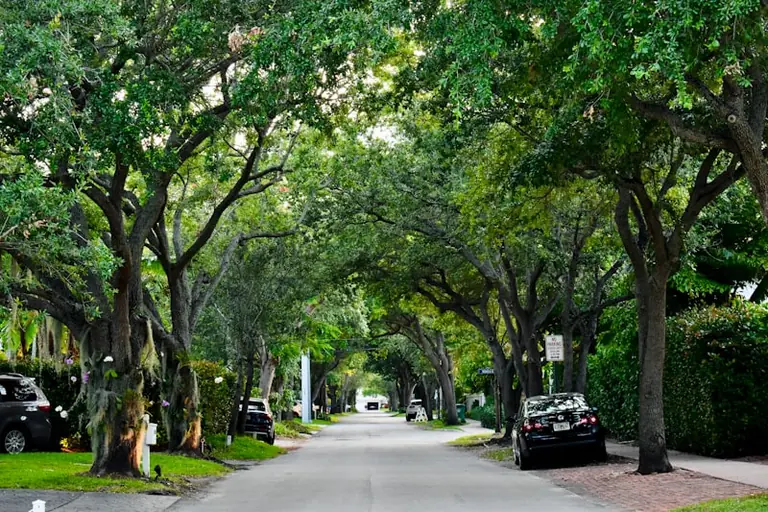
To ensure the continued safety of families using the Armada Way facility, the council has implemented a specific maintenance protocol for the two trees that will remain in place. Because these trees lean over the Mayflower Street pavement rather than the play area, the council has determined that they pose a lower risk of harm to children.
To manage this, the following measures are now in place:
- Enhanced Cleaning: The street cleaning team has been instructed to regularly clear any fallen pods, leaves, or bark from the street level to prevent debris from entering the play area.
- Targeted Pruning: The council will perform regular pruning on the two retained trees to minimize the likelihood of pods falling into the vicinity of the play equipment.
- Physical Barriers: The site’s existing layout, which includes a hooped fence and dense underplanting of ferns and wood rush, serves as a natural deterrent, discouraging toddlers from accessing the raised bed where the trees are rooted.
Consultation Results at a Glance
The council’s final strategy was heavily influenced by the public engagement period, which demonstrated strong local support for tree preservation:
| Participation Metric | Count |
|---|---|
| Total responses received | 107 |
| Local resident participation | 99 |
| Support for retention | 77 (72%) |
| Support for removal | 30 (28%) |
Ongoing Monitoring
The council has committed to evaluating the site throughout the summer months. This ongoing assessment will determine whether the current maintenance schedule is sufficient or if further adjustments—such as increased pruning frequency or additional physical barriers—are required to maintain safety standards. The council will continue to track debris levels and public feedback as the season progresses.
Source: Plymouth City Council
Context & actions About this article
Source check Editorial Verification
This report is based on the official June 2026 consultation findings published by Plymouth City Council.
- Cross-referenced against official Plymouth City Council consultation portal
- Verified cabinet member statement
- Confirmed site-specific risk assessment details
- Source
- Plymouth City Council News
- Scope
- Plymouth
- Updated
- 2026-06-08 18:24
Source check
Report a trust issue
Send a clear signal to community moderation if the source, facts or context need review.
Comments