
Sefton Homes Protected as Professional Pest Control Returns
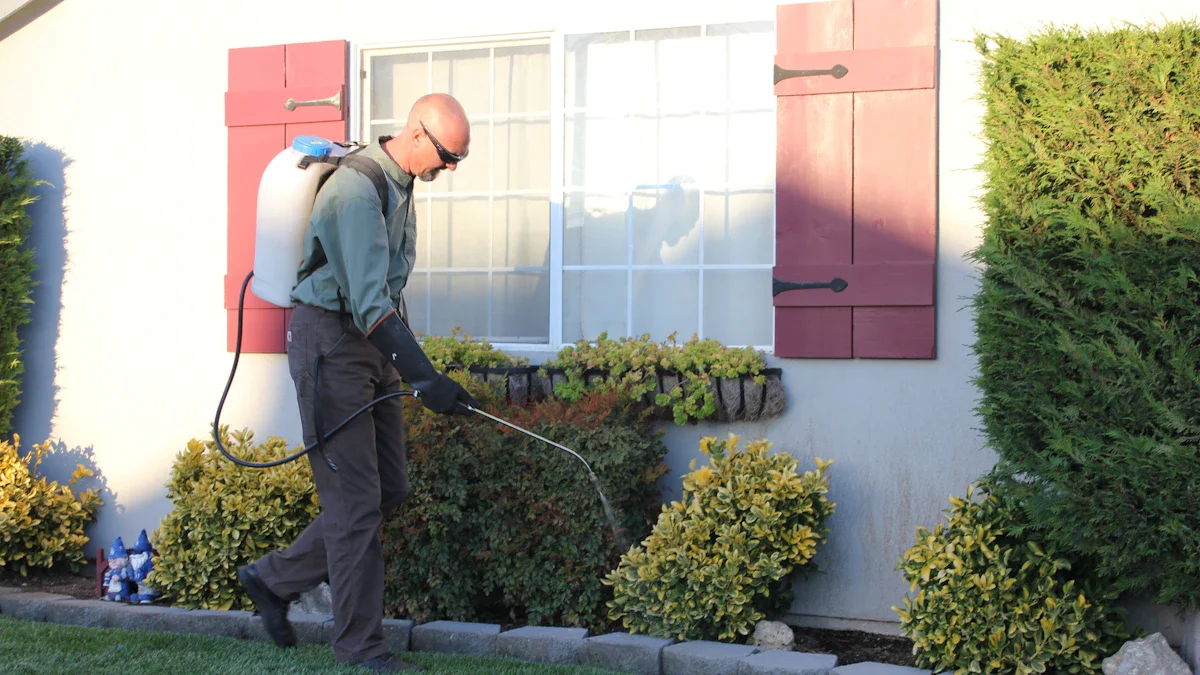
Sefton households can now access dedicated municipal pest control services for wasps and ants as the local authority restores its in-house team after a 15-year hiatus. The service rollout addresses the seasonal surge in insect activity that often impacts residential gardens and commercial premises during the warmer months.
| Service Feature | Details |
|---|---|
| Scope of Treatment | Wasps, Ants, Rats, Mice, Cockroaches, Bed Bugs, Fleas |
| Contact Helpline | 0345 140 0845 |
| Service Hiatus | 15 years |
| Property Coverage | Domestic and Commercial (including HMOs) |
Identifying Wasps and Protecting Local Bee Populations
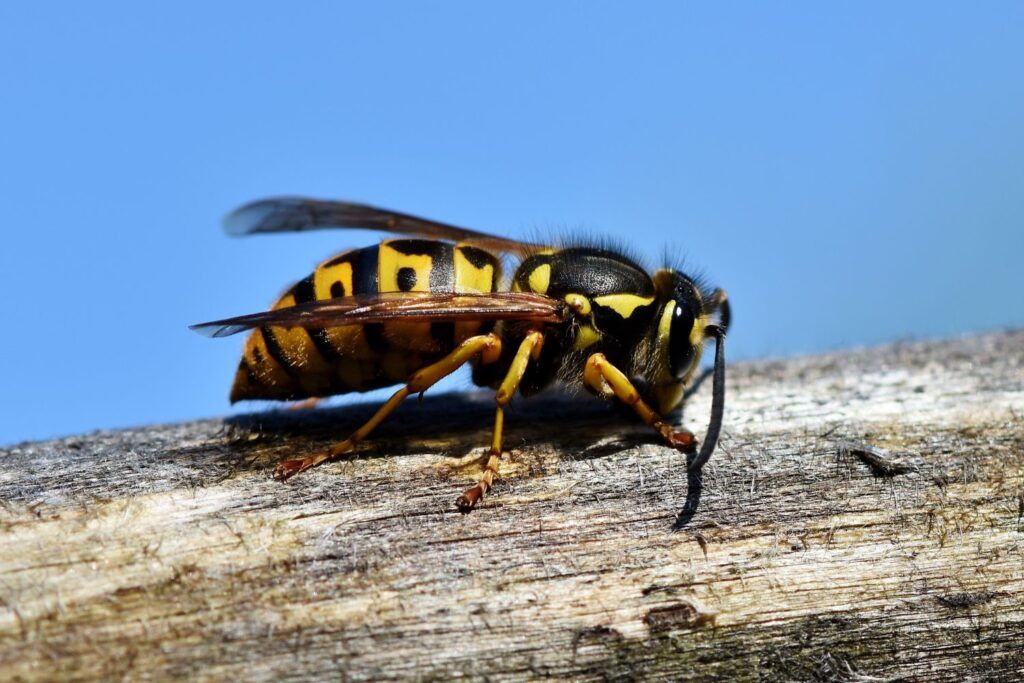
Distinguishing between common wasps and honeybees is a critical step before requesting treatment. Wasps are characterized by a narrow waist, bright yellow stripes, and distinct yellow dots below the head. Unlike bees, which have duller, softer-edged stripes and a less aggressive temperament, wasps can sting multiple times when provoked.
The Sefton team does not provide treatment for bees. These insects are classified as beneficial and endangered pollinators, playing a vital role in the local ecosystem. Residents are encouraged to identify the species correctly to avoid unnecessary disruption to bee colonies.
Environmental Health and Public Safety Standards
Steve Smith, Environmental Health & Trading Standards Service Manager, emphasized the safety risks associated with DIY pest removal. “Wasps can be aggressive when disturbed, delivering a painful sting. It is essential that nests are dealt with safely and professionally, using the correct equipment and by experts with the appropriate training,” Smith stated.
These teams operate under strict [environmental health safety] protocols to ensure that infestations do not pose a risk to children, pets, or food supplies. While wasps and ants are not classified as public health pests—unlike rodents or cockroaches—their presence near property entrances can lead to structural damage and food contamination.
Service Costs and Professional Treatment Options
Treatments for wasps and ants are provided for a fee, with no concessions available due to their classification. Domestic property prices are standardized and listed on the official council website, while commercial premises and Houses in Multiple Occupation (HMOs) receive individual quotes based on the scale of the infestation.
Residents requiring advice or wishing to book an appointment can reach the specialist team directly via the dedicated helpline. The service expansion ensures that professional-grade treatments are accessible to the community, reducing the reliance on unverified private contractors.
Frequently Asked Questions
Why is Sefton Council reintroducing its own pest control service after a 15-year hiatus?
The council is restoring its in-house team to provide a regulated, reliable alternative to private contractors, specifically addressing the seasonal surge in wasps and ants. By bringing the service back under municipal control, Sefton ensures that treatments meet strict Environmental Health and Trading Standards, offering residents and businesses a safer way to manage infestations that could otherwise lead to structural damage or health risks.
How do I book a pest control treatment in Sefton and what is required?
Residents and business owners can book a professional treatment by calling the dedicated helpline at 0345 140 0845. Before calling, you must verify the pest type; the service covers wasps, ants, rats, mice, cockroaches, bed bugs, and fleas. Note that the team will not treat bees, so ensure you have identified the insect as a wasp (narrow waist, bright yellow stripes) rather than a protected pollinator to avoid a cancelled call-out.
How does using the professional municipal service protect my home and pets compared to DIY methods?
Professional intervention eliminates the high risk of ‘defensive swarming’ associated with DIY wasp nest removal. The Sefton team uses industrial-grade equipment and follows specific safety protocols to ensure that insecticides do not contaminate food supplies or pose a danger to children and domestic pets. This professional approach is critical for HMOs and commercial premises where maintaining public health records is a legal necessity.
What should I do if I have a pest issue in a commercial property or a multi-occupancy home?
The restored service specifically includes coverage for commercial units and Houses in Multiple Occupation (HMOs). If you are a landlord or business owner, you should contact the service immediately to arrange a site assessment. Beyond seasonal insects, the team provides long-term solutions for ‘public health pests’ like rodents and cockroaches, ensuring your property remains compliant with local environmental health regulations.
Source: Sefton Council

Comments