
Stonewall anniversary: why 28 June still shapes UK Pride
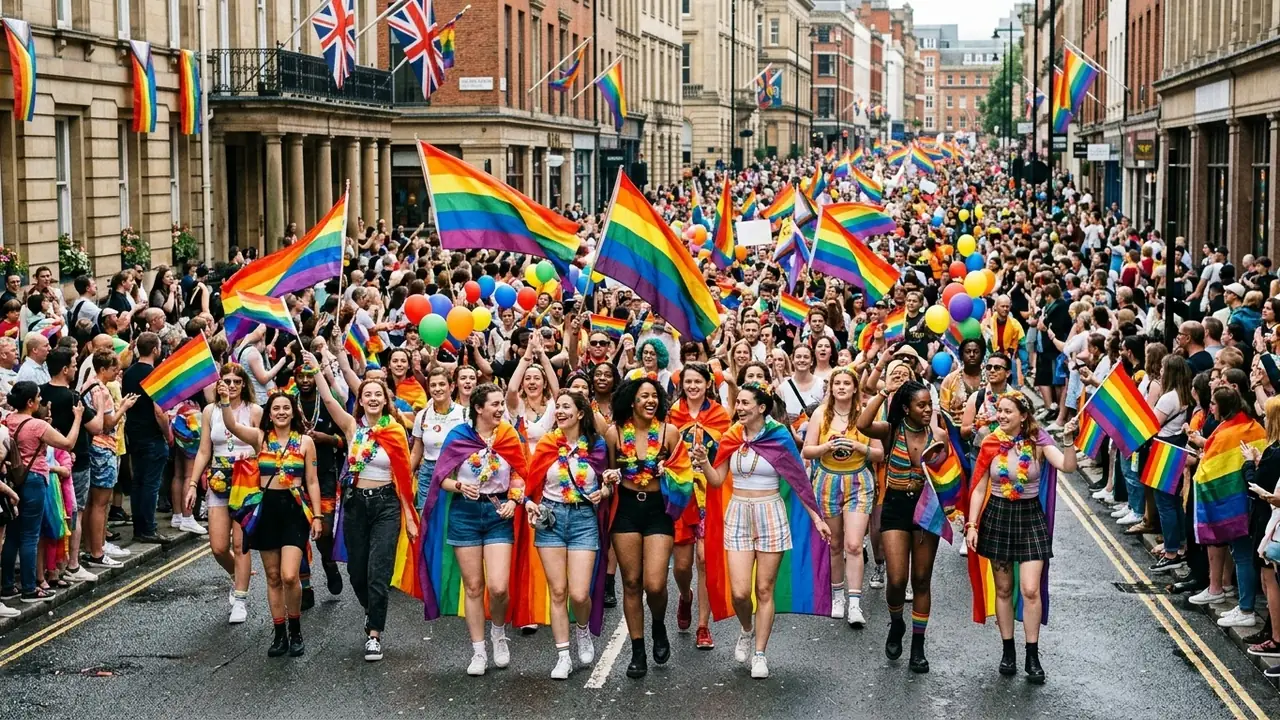
On 28 June, Pride is not just a date on a summer events calendar. It points back to the 1969 Stonewall uprising in New York City and helps explain why Pride in the UK still combines celebration, protest, remembrance, community safety and public visibility.
By Beehive Web Culture Desk
What happened at Stonewall on 28 June 1969
The Library of Congress identifies 28 June 1969 with the Stonewall uprising, a confrontation that began after a police raid at the Stonewall Inn in New York City. The venue was known as a gathering place for LGBTQ+ people at a time when police harassment and legal discrimination shaped everyday life.
The uprising did not arrive from nowhere. LGBTQ+ people had already organised, resisted and built communities before Stonewall. What made Stonewall so enduring was its timing, visibility and afterlife: the events became a rallying point for a wider movement that demanded public recognition rather than private tolerance.
For readers in the UK, the most useful way to understand Stonewall is not as the single beginning of LGBTQ+ rights history, but as one highly visible moment in a much longer story. It became a reference point for annual marches, community organising and the language of Pride.
Why 28 June became a Pride date
The date matters because it links a specific historical moment to a recurring public act. Pride events around the world often take place in late June or across the summer because Stonewall became a symbol of resistance to police persecution, social exclusion and legal inequality.
That symbolism has travelled far beyond New York City. In the UK, Pride events now vary widely: some are large city marches with corporate sponsors and civic support, while others are smaller community-led gatherings focused on protest, access, safety or local history.
The date is also a reminder that Pride has never had just one meaning. For some people it is a commemoration of those who resisted. For others, it is a demand for safer streets, inclusive healthcare, equal treatment at work or recognition for trans and non-binary people. For many, it is also a rare moment of visible community.
How UK Pride connects to a wider rights history
The British Library’s LGBTQ+ histories work places UK rights in a longer national context, including law, activism, social change and cultural visibility. That matters because the UK story cannot be reduced to events in the United States.
In Britain, LGBTQ+ history includes earlier organising, criminalisation, partial legal reform, public health campaigns, workplace rights, family recognition and continuing debates over equality and safety. Pride in the UK sits inside that wider history rather than outside it.
The first Pride marches in the UK drew on international liberation politics, including the influence of Stonewall, but they also responded to British conditions. Marchers were not only marking an American anniversary. They were challenging local laws, policing, media hostility and social stigma at home.
That is why UK Pride can feel both festive and political. A city-centre parade may include music, banners and public celebration, but the act of taking up civic space remains historically loaded. Visibility itself has been part of the demand.
Why the anniversary still matters in 2026
In 2026, the Stonewall anniversary still shapes Pride because it gives the season a historical anchor. It reminds readers that public acceptance was not inevitable and that rights were won through organising, risk and persistence.
The anniversary also helps explain why Pride events often include more than entertainment. Community groups may use Pride to reach people who feel isolated, share safety information, honour people lost to violence or illness, and connect younger LGBTQ+ people with older histories.
For UK readers, that context is especially important when Pride is discussed only as a party, a tourism event or a branding opportunity. Those elements may be visible, but they are not the whole story. Pride’s public form comes from a history of exclusion from public life.
A respectful account also avoids implying that one event created the entire LGBTQ+ movement. Stonewall was pivotal, but it was not the only act of resistance and not the only source of LGBTQ+ political life. UK activists, campaigners, writers, lawyers, health workers and community organisers all shaped the country’s own path.
How to talk about Stonewall and Pride carefully
A careful Stonewall anniversary coverage should do three things at once: name the event, explain why it became symbolic, and keep the wider movement visible.
Useful wording should recognise that Stonewall was a turning point in modern LGBTQ+ rights history, not a complete origin story. It should also avoid treating Pride as either only celebration or only protest. In practice, Pride has often been both.
For schools, workplaces, councils and community groups marking the date, the strongest approach is to connect commemoration with present-day inclusion. That can mean naming the history honestly, making events accessible, including local LGBTQ+ voices and avoiding token gestures that disappear after Pride month.
It is also worth being precise about geography. Stonewall happened in New York City. UK Pride developed through British activism and local campaigns while drawing influence from international liberation movements. Keeping both facts in view makes the anniversary more accurate, not less meaningful.
The lasting link between Stonewall and UK civic visibility
The reason 28 June still appears in Pride coverage is not only because of what happened on one night in 1969. It is because the anniversary gives people a shared date for remembering how public pressure can change public life.
In the UK, that legacy is visible whenever Pride occupies a high street, a town square, a council route or a workplace calendar. The route through civic space matters. It says that LGBTQ+ people belong in public, not only in private networks or hidden venues.
That visibility remains the thread connecting Stonewall to Pride today. The anniversary asks readers to hold celebration and history together: the colour and music of Pride are easier to understand when the date behind them is remembered clearly.
Source: Library of Congress
Context & actions About this article
Source check Historical context
This article uses the Library of Congress for the 28 June Stonewall date and the British Library for wider UK LGBTQ+ rights context.
- Library of Congress identifies 28 June 1969 with the Stonewall uprising.
- British Library provides historical context on LGBTQ+ rights in the UK.
- The article distinguishes Stonewall from the wider history of LGBTQ+ organising.
- Source
- Library of Congress
- Scope
- United Kingdom
- Updated
- 2026-06-28 07:35
Source check
Report a trust issue
Send a clear signal to community moderation if the source, facts or context need review.



Comments