
Strategic gate installation and surge in fines end fly-tipping at notorious Ecton hotspot
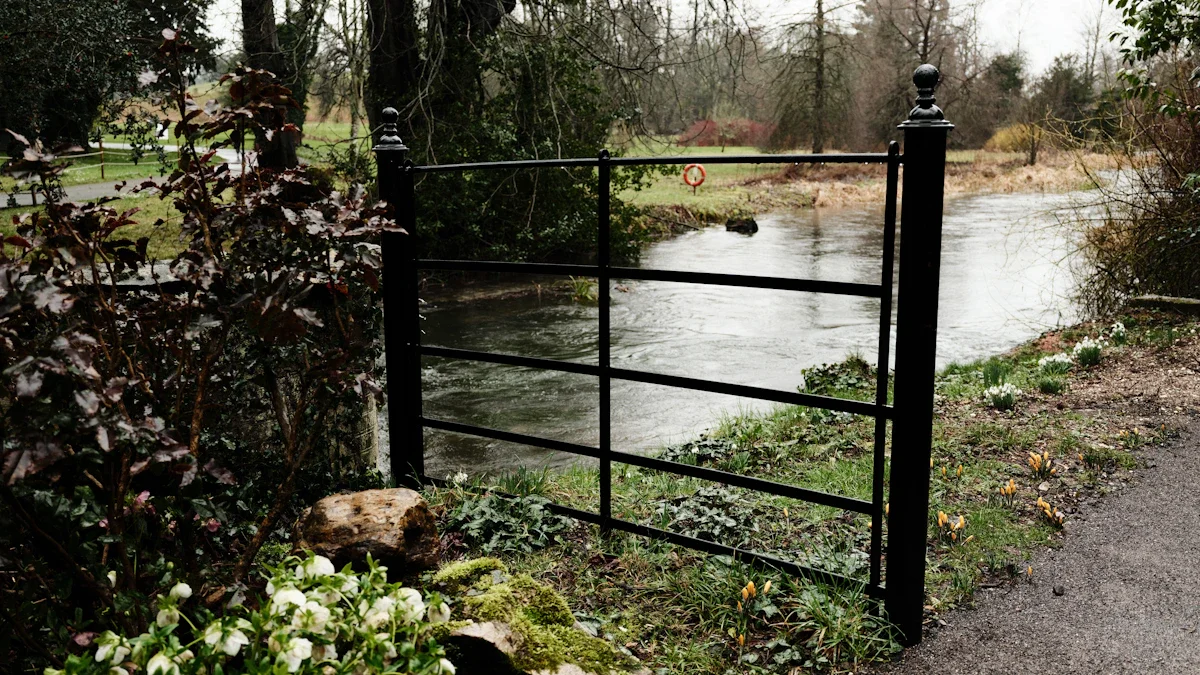
A long-standing battle against illegal dumping in rural Northamptonshire has reached a significant turning point. North Northamptonshire Council has confirmed that a notorious fly-tipping hotspot near Ecton has been successfully cleared following the implementation of strategic physical barriers and a heightened enforcement regime.
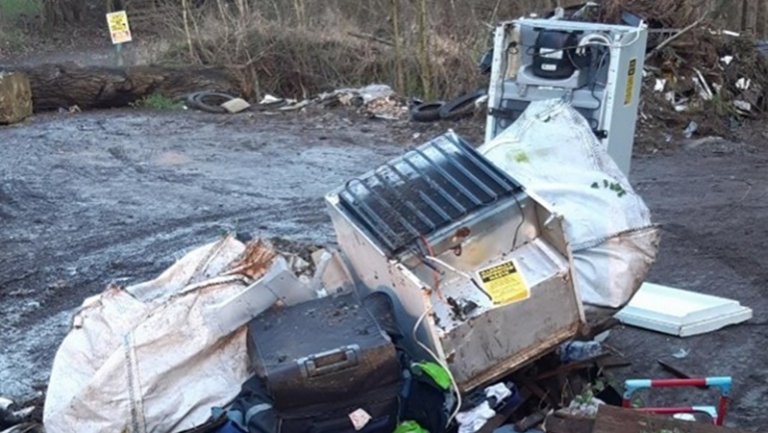
The bridleway linking Ecton village to Earls Barton, which had become a magnet for large-scale waste disposal, has seen a total cessation of illegal activity. For years, the remote nature of the site allowed offenders to deposit significant quantities of refuse, ranging from standard household waste to more hazardous materials. The council’s recent intervention, which included the installation of a permanent gate and strict access restrictions, has effectively closed the window of opportunity for fly-tippers in this specific location.
Permanent solution for Ecton bridleway hotspot
Historically, the Ecton bridleway was plagued by the frequent disposal of building materials, cannabis-related cultivation waste, and discarded nitrous oxide canisters. Despite previous attempts at enforcement, the site’s isolation made it a persistent target for environmental crime. The decision to move toward “target hardening”—a strategy focused on making a location physically more difficult to access for criminal purposes—was made after traditional patrols failed to deter repeat offenders.
The installation of the gate has not only stopped the influx of waste but has also restored the bridleway for its intended use by the community. Council officials noted that while enforcement remains a priority, physical prevention has proven to be the most durable solution for this particular rural stretch. The success at Ecton is now being viewed as a blueprint for other vulnerable rural locations across the region where vehicle access facilitates large-scale dumping.
Fixed penalty notices and enforcement statistics
The crackdown in Ecton forms part of a broader, more aggressive stance against environmental crime across North Northamptonshire. Data released for the period between January and March 2026 highlights a significant increase in the use of financial penalties to punish offenders. During this three-month window, the council issued 39 Fixed Penalty Notices (FPNs) for fly-tipping, with fines ranging between £500 and £1,000.
One of the most significant investigations during this period focused on a block of flats in Wellingborough. Enforcement officers identified a 6ft deep pile of household rubbish that had been allowed to accumulate behind the property. The investigation successfully identified nine individuals responsible for the waste. Of those identified, six received Fixed Penalty Notices. Furthermore, the landlord of the property was legally instructed to cover the costs of the professional clear-up and was required to install target hardening measures to prevent a recurrence of the issue.
Surveillance and urban improvements in Wellingborough
Beyond rural gates and fines, the council has expanded its use of technology to catch offenders in the act. Covert surveillance has been significantly bolstered, including the deployment of cameras within void council properties to monitor for illegal activity. Six new sites have recently been surveyed for the deployment of additional covert cameras, ensuring that even areas without a permanent physical presence remain under watch.
In Wellingborough, the council has also targeted the misuse of clothing banks. All illegally sited clothing banks have been removed from the town, a move that has led to an immediate improvement in the local environment. These sites often became unofficial dumping grounds for non-textile waste, creating eyesores and health hazards. Plans are currently in place to extend this removal project to other areas within the jurisdiction.
Reporting environmental crime in North Northamptonshire
The council’s environmental team has also been active in addressing other forms of community blight. During the same first-quarter period, officers dealt with 72 reports of abandoned vehicles, ensuring that cars left to rot on public highways were removed promptly.
Authorities are urging residents to remain vigilant and continue reporting incidents of fly-tipping or abandoned vehicles. Public reports are cited as a critical component of the council’s intelligence-gathering process, allowing for the rapid deployment of enforcement officers to emerging hotspots. Residents can submit evidence and report environmental crimes directly through the North Northamptonshire Council website. By maintaining this collaborative approach between the public and enforcement teams, the council aims to sustain the improvements seen in Ecton and Wellingborough across the entire county.
Source: North Northamptonshire Council




Comments