
Summer solstice 2026: how the longest day shapes the UK
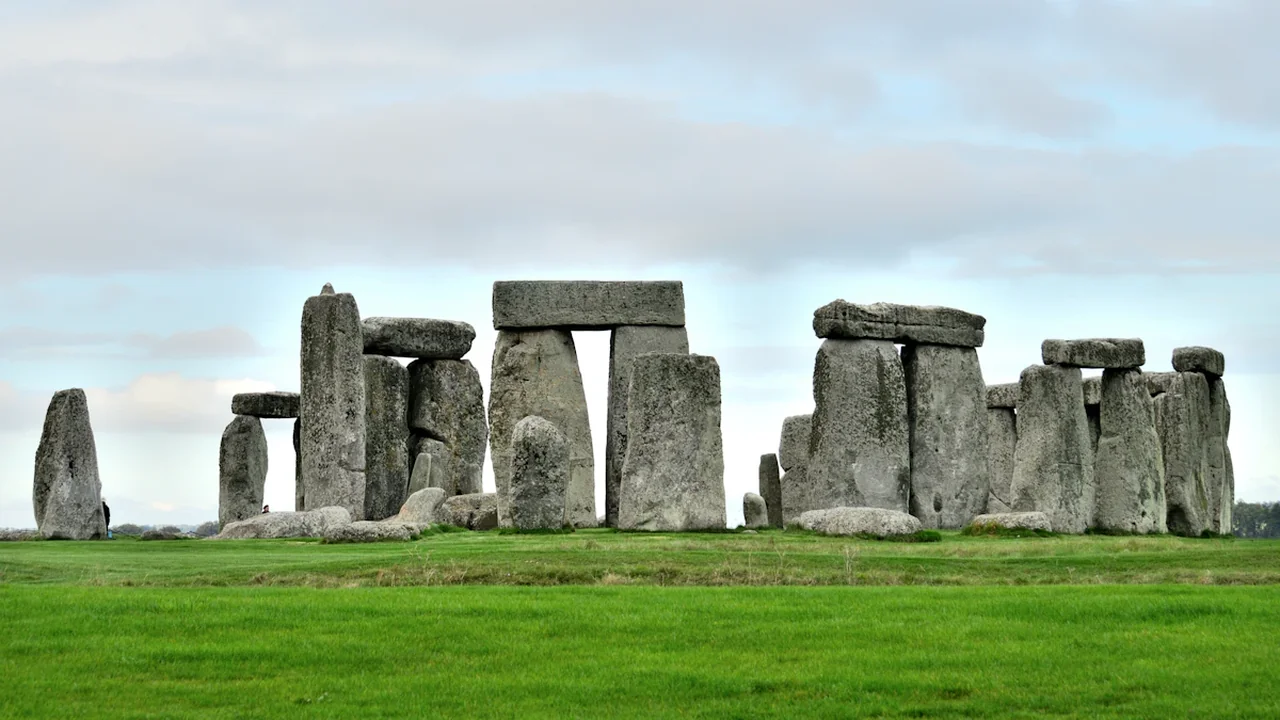
The UK summer solstice in 2026 falls on 21 June, bringing the longest period of daylight of the year for people planning early starts, evening travel, outdoor work, photography and gatherings at places such as Stonehenge. It is a calendar moment with a simple astronomical cause, but its effects are practical as well as cultural.
For most readers, the key point is this: the solstice is not just a symbolic start to summer. It changes how long people can work, travel, take photographs and gather outdoors in natural light. It also draws crowds to well-known sites, especially Stonehenge, where English Heritage provides visitor information for solstice attendance.
Why the summer solstice creates the UK’s longest day
The June solstice happens when the Northern Hemisphere is tilted most directly toward the Sun. Timeanddate describes it as the point in the year when the Northern Hemisphere has its longest day.
That does not mean the Sun is physically closer to the UK in a way people can feel. The seasons are mainly caused by Earth’s axial tilt. Around the June solstice, the Sun takes its highest and longest path across the sky for places north of the equator, so daylight lasts longer than on any other day of the year.
In the UK, that makes the solstice a noticeable date even for people who are not following astronomy. Dawn comes early, twilight lingers late, and the day can feel stretched at both ends. The effect is stronger the farther north you go.
London gets a very long day, but Scotland gets even more daylight because it sits at a higher latitude. In northern Scotland, summer evenings can remain bright deep into the night compared with southern England. That difference is why photographers, hikers and travellers often treat the solstice period as a short seasonal window rather than a single date.
Stonehenge remains the UK’s best-known solstice gathering
Stonehenge is closely associated with the summer solstice because the monument’s alignment has long made it a focus for sunrise gatherings. English Heritage publishes dedicated visitor information for the summer solstice at Stonehenge, reflecting the scale and organisation needed around the event.
The site attracts people for different reasons: archaeological interest, cultural tradition, photography, personal reflection and the experience of watching sunrise at a prehistoric monument. It is important not to overstate what is known about ancient beliefs. Stonehenge’s relationship with the solstice is real and widely recognised, but modern gatherings combine history, public ritual and contemporary meaning.
That mix is part of why the solstice remains culturally visible in Britain. It connects a scientific event in the sky with a physical landscape people can visit. For many, the moment is less about a single belief system and more about marking a turning point in the year.
Anyone planning to attend a major gathering should treat it as a travel and crowd-management event, not only a scenic outing. Roads, parking, public transport connections and walking routes can all be busier than usual around major solstice sites.
What the date means for work, travel and outdoor plans
The solstice often matters most in ordinary planning. The longer daylight can help people schedule outdoor work, evening walks, photography shoots or late journeys, but it can also create risks if people underestimate crowds, fatigue or sun exposure.
Useful checks before making plans include:
- Check local sunrise and sunset times for your exact town, not only the UK average.
- Allow extra time near Stonehenge and other known gathering places.
- Plan sun protection for outdoor work, walking, cycling or queuing.
- Remember that early sunrise can affect sleep, driving alertness and shift patterns.
- Check the weather forecast separately, because long daylight does not guarantee clear skies.
For travel, the practical issue is not only the official sunrise time. It is the combination of early movement, late return journeys and concentrated demand around popular viewing points. A solstice sunrise plan can involve travelling in the dark, waiting outdoors and leaving at the same time as many others.
For photographers, the advantage is the extended golden-hour feel around sunrise and sunset, especially in open landscapes. The limitation is that famous sites can be crowded, so wider landscape planning may be more useful than trying to capture the same view as everyone else.
Why the warmest UK weather often comes after the solstice
The longest day is not usually the hottest day. This can feel counterintuitive, but it is a normal part of the seasonal cycle.
Land, sea and air take time to warm up. Around the solstice, the UK receives its longest daylight period, but the surrounding environment has not always reached its highest stored warmth. That delay is one reason July or August can often feel warmer than late June, depending on weather patterns.
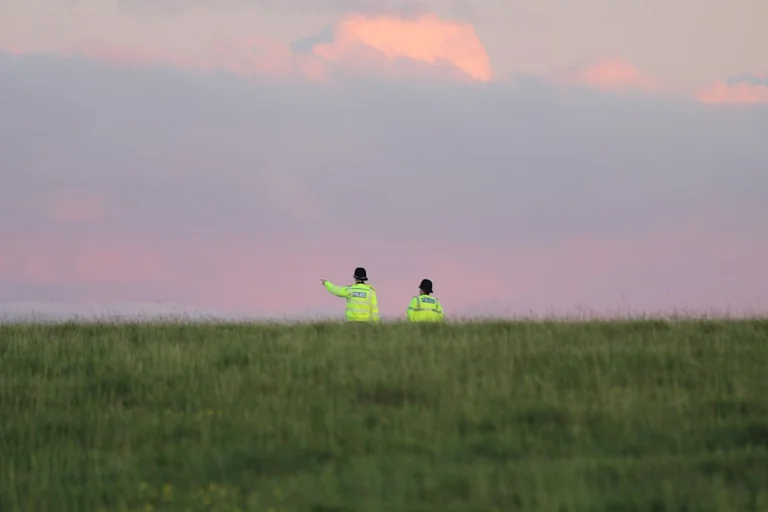
This lag matters for expectations. The solstice marks astronomical summer, but it should not be treated as a promise of settled heat. UK weather can still bring cloud, rain, wind or cool evenings. Long daylight increases the opportunity to be outside, not the certainty that conditions will be comfortable.
For outdoor workers and event organisers, the safer assumption is variability. A good solstice plan includes sun protection, water and shade, but also layers and wet-weather options.
How daylight differs across the UK
The solstice is a UK-wide event, but it is not experienced evenly. Latitude changes the length and quality of daylight.
In London and much of southern England, the solstice brings a noticeably early sunrise and late sunset. In northern England, Northern Ireland and Scotland, the effect is stronger. Farther north, twilight lasts longer and night feels shorter.
That is why the same solstice date can produce different routines. A London commuter may notice bright evenings after work. A camper in the Highlands may experience a night that never feels fully dark. A coastal photographer in northern Scotland may get a longer usable window around dawn than someone in the south.
These differences are also why exact local checks are better than relying on a single national time. Search for sunrise and sunset by town, postcode or nearest city before setting alarms, booking travel or arranging outdoor work.
The cultural history is strong, but the claims should stay careful
The summer solstice has been marked across many cultures because it is easy to observe: the Sun rises early, sets late and reaches a high point in the seasonal cycle. In the UK, Stonehenge gives that wider pattern a particularly visible setting.
Modern solstice gatherings can include people with spiritual, historical, artistic or social motivations. Some attend because they feel a connection with ancient landscapes. Others go because it is a public cultural moment, a photographic opportunity or a once-a-year experience.
The careful distinction is between the known astronomy and the interpreted meaning. The astronomy is clear: the Northern Hemisphere is tilted toward the Sun, giving the longest daylight period. The cultural meanings vary, and many of today’s traditions are modern expressions layered onto older places and seasonal patterns.
That does not make the event less significant. It makes it a living cultural date rather than a fixed historical script.
Practical checks before 21 June 2026
For most UK readers, the best solstice preparation is simple and local. Check exact daylight times, then plan around the real conditions on the day.
If you are travelling to Stonehenge, use English Heritage’s solstice information before setting out, because access arrangements, timing and visitor guidance matter. If you are staying local, check sunrise, sunset and weather for your area rather than assuming national averages apply.
For outdoor activity, treat the longer day as extra usable light, not extra stamina. Early starts and late finishes can make driving and work more tiring. Sun exposure can still build up even when temperatures feel moderate.
The next useful check is the local forecast and the official visitor guidance for any gathering site you plan to visit. The solstice date is fixed for planning purposes, but the conditions that shape the day will be local, practical and much closer to the time.
Source: English Heritage
Context & actions About this article
Source check Source context
This explainer uses Timeanddate for the June solstice definition and English Heritage for Stonehenge solstice visitor context.
- Confirm exact local sunrise and sunset times before travel.
- Check English Heritage guidance before visiting Stonehenge for solstice.
- Use a local weather forecast close to 21 June 2026.
- Source
- English Heritage
- Scope
- United Kingdom
- Updated
- 2026-06-19 07:32
Source check
Report a trust issue
Send a clear signal to community moderation if the source, facts or context need review.



Comments