
Sunday Evening Quotes for Planning the Week Without Dread
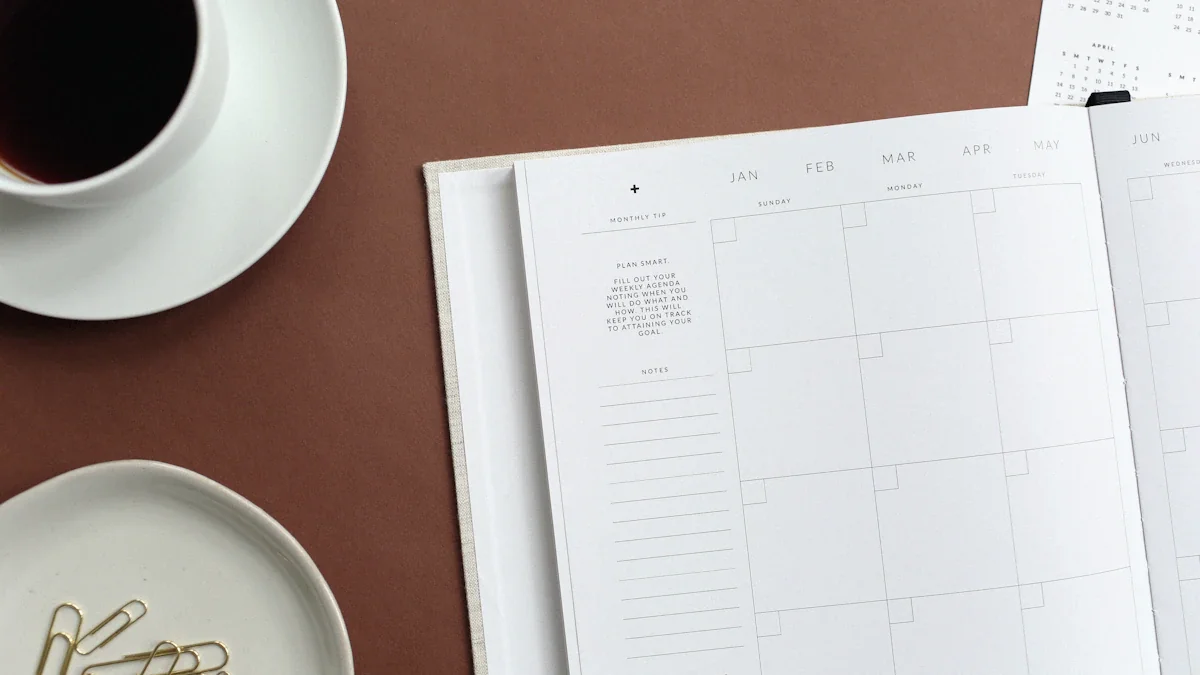
Sunday evening does not have to become a rehearsal for everything that might go wrong. For 31 May 2026, the useful move is smaller: name what matters, lower the noise around Monday, and enter the first week of June with a plan that feels human rather than punishing.
This guide uses short, clearly original planning quotes as prompts for a practical Sunday reset. The central exercise is simple: choose three priorities, one thing to decline, and one recovery habit before the week begins.
Why Sunday evening feels heavier at the start of June
The first week of June can carry a particular kind of pressure in the UK. Spring bank holiday has just passed, schools and workplaces are moving back into normal rhythm, lighter evenings can make schedules feel fuller, and many people notice the quiet mental shift from late spring into summer plans.
That does not mean Sunday anxiety is a personal failure. It often comes from trying to solve the whole week at once. The mind jumps from unread messages to work deadlines, family logistics, money worries, health intentions and the vague feeling that everyone else is already organised.
A better Sunday evening plan should reduce the number of decisions Monday has to carry. It should not pretend the week will be effortless. It should make the first step visible enough that dread has less room to expand.
Planning quotes that make Sunday feel smaller
“A calm week is not found. It is made from a few honest choices.”
This is the heart of useful weekly planning. A calm week is rarely a blank calendar. It is usually a calendar with fewer false promises. On Sunday evening, honesty matters more than ambition. If the week already contains hard appointments, travel, childcare, meetings or emotional strain, your plan should respect that.
Try reading the quote as a filter. What are the few choices that would genuinely make the week steadier? That might mean preparing one lunch, sending one message, putting one bill in the diary, or deciding that a non-urgent task can wait.
“The week ahead does not need your fear. It needs your first clear action.”
Sunday-night dread often asks for certainty. It wants to know that Monday will go smoothly, that nobody will be disappointed, and that every task will be completed. Real life rarely offers that kind of guarantee.
A clear action is more dependable. Set out clothes, write the first line of a difficult email, check the train time, pack the bag, or choose the first work task for Monday morning. The action does not need to be impressive. It needs to be specific enough to interrupt the spiral.
“Courage on Sunday can look like deciding what will not get your attention.”
Planning is not only about adding structure. It is also about protecting attention. A week becomes frightening when every request arrives with equal weight. Sunday evening is a good time to decide what will not be treated as urgent.
That could be a group chat you will not keep checking, a meeting you will not attend without a clear purpose, a domestic task that can wait, or a perfectionist standard you will not carry into Monday.
“Start the week at the size of one step, not the size of your whole life.”
This quote is especially useful when the first week of June starts to feel symbolic. A new month can tempt people into sweeping self-improvement plans: reset the budget, fix the routine, exercise daily, declutter everything, answer every email, become a different person by Friday.
That kind of thinking usually creates more dread. A week is not a life audit. It is seven days. One step is allowed to be enough for Sunday evening.
The 31 May 2026 Sunday reset
Set aside 20 to 30 minutes if you can. Use a notebook, notes app or calendar. The aim is not to create a perfect productivity system. The aim is to reduce Monday morning friction.
Choose three priorities
Pick three priorities for the week of 1 June 2026. They should be clear enough that you will know whether they happened. Avoid vague goals such as “be healthier” or “get on top of work” unless you turn them into actions.
Useful examples include:
- Finish the first draft of one work document.
- Book the appointment you have been postponing.
- Do one food shop that covers three simple meals.
- Spend one uninterrupted hour on a household task.
- Take a 20-minute walk on three days.
Three is enough. If you list twelve priorities, you have not planned the week; you have recreated the pressure in writing.

Choose one thing to decline
This is the part many people skip, but it may be the most important. Choose one thing you will decline, postpone or reduce.
It might be an invitation you cannot properly enjoy, an optional work request that needs a later deadline, a favour that would leave you resentful, or a personal expectation that belongs to an old version of your energy.
A decline does not need to be harsh. It can be polite and plain: “I cannot take that on this week,” “I need to move this to next week,” or “I can help for 20 minutes, but not the whole afternoon.”
Choose one recovery habit
Planning without recovery becomes another form of pressure. Choose one repeatable habit that helps your nervous system come down during the week.
Good recovery habits are modest. They do not require ideal weather, expensive equipment or a completely free evening. Try one of these:
- Ten minutes outside after work.
- Phone away for the first 20 minutes after waking.
- Tea, shower and early lights-out on one chosen night.
- A short walk before opening evening messages.
- Preparing Monday breakfast before bed.
The recovery habit should be easy enough to keep even if the week is imperfect.
A simple checklist for Sunday evening
Use this version if your mind feels too busy for a longer reset:
- My three priorities are: one practical, one personal, one maintenance.
- The one thing I will decline or postpone is: something that would overload the week.
- My recovery habit is: small, repeatable and not dependent on motivation.
- Monday morning starts with: one named action, not a vague mood.
- I will stop planning at: a specific time, so Sunday still has an evening.
The final point matters. Over-planning can become another way to stay anxious. Once the plan is clear enough, let it be clear enough.
Reflection prompts for the first week of June
These prompts are designed for a quiet Sunday evening, not a full journal session. Answer one or two if that is all you have capacity for.
When dread is loud
Ask: “What am I treating as urgent that is only uncomfortable?”
This separates pressure from priority. Some tasks are genuinely time-sensitive. Others feel urgent because they involve uncertainty, embarrassment or someone else’s expectations. Naming the difference can make the week feel less crowded.
Ask: “What would make Monday morning 10 percent easier?”
A small improvement is often more useful than a dramatic reset. You might put your keys in one place, charge your laptop, check your calendar, or decide what not to open before 10am.
When motivation is low
Ask: “What is the smallest start that still counts?”
If you are tired, the smallest start might be opening the document, writing three bullet points, washing five dishes, or walking to the end of the road. The point is to create movement without demanding a full transformation.
Ask: “Where can I accept reality instead of arguing with it?”
Acceptance is not giving up. It is planning from the real conditions of your life: the time you have, the body you have, the obligations you have, and the emotional weather you are actually in.
A gentler way to enter Monday
The best Sunday evening quotes do not ask you to become fearless. They ask you to become clearer. Fear may still be present, but it does not need to chair the planning meeting.
For 31 May 2026, let the reset be practical: three priorities, one decline, one recovery habit. That is enough structure to begin the first week of June without turning Sunday night into a second job.
Source: Editorial research
Context & actions About this article
Source check How this guide was built
This article uses clearly original quotes and a practical Sunday reset exercise tailored to the UK calendar for 31 May 2026.
- Quotes are presented as original editorial prompts, not attributed sayings.
- The date is anchored to Sunday 31 May 2026 and the first week of June.
- The exercise focuses on priorities, one decline and one recovery habit.
- Scope
- United Kingdom
- Updated
- 2026-06-04 09:56
Source check
Report a trust issue
Send a clear signal to community moderation if the source, facts or context need review.




Comments