
The Culinary Canvas: Exploring the Evolving Landscape of Global Food and Drink
The Culinary Canvas: Exploring the Evolving Landscape of Global Food and Drink
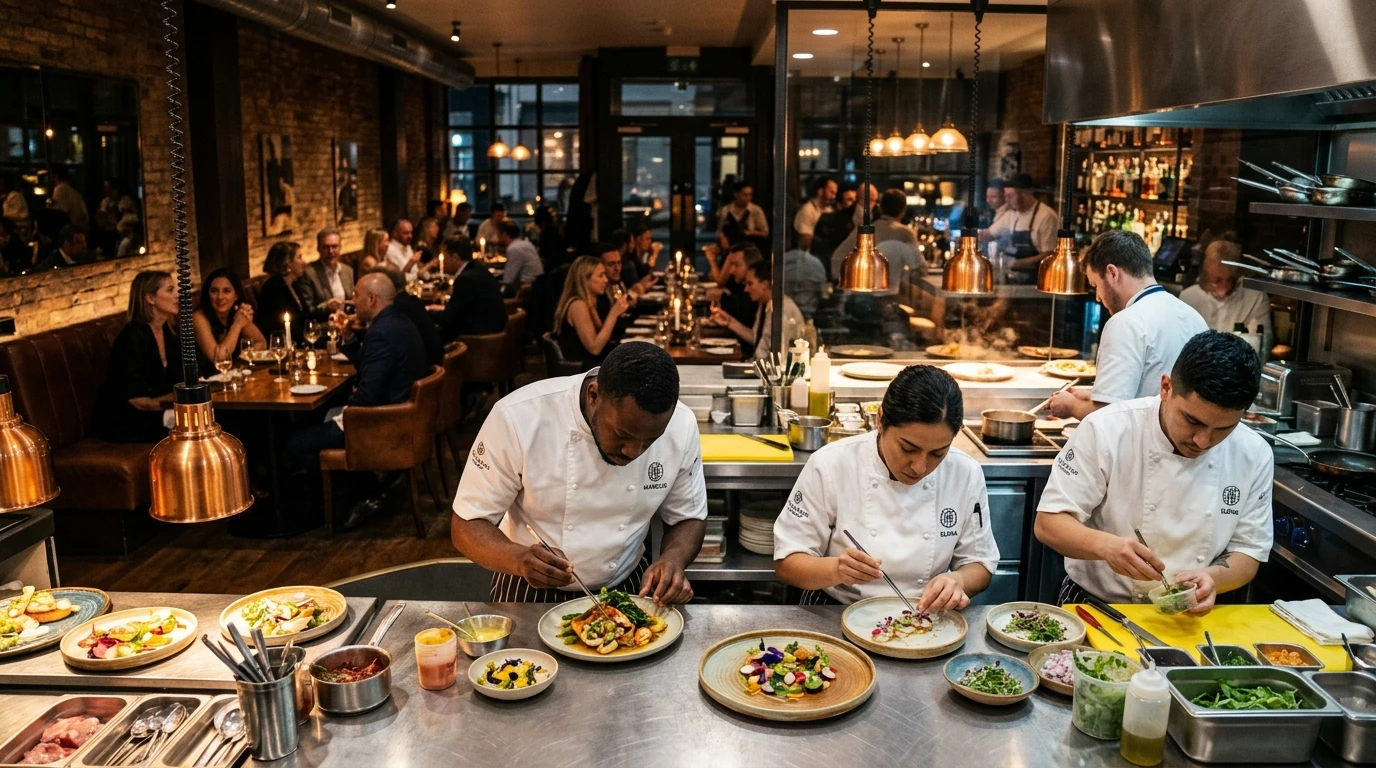
Food and drink are far more than mere sustenance; they form the bedrock of human culture, tradition, and social connection. As we launch this foundational exploration for beehiveweb.co.uk, we delve into an industry that is simultaneously deeply rooted in history and rapidly accelerating toward a dynamic future. Today’s culinary landscape is a fascinating intersection of heritage and innovation, driven by a global community of chefs, producers, and consumers who are rethinking how we eat and drink.
The Intersection of Tradition and Innovation
In professional kitchens and home dining rooms alike, there is a profound renaissance of traditional cooking methods. Fermentation, foraging, and ancient preservation techniques are experiencing a global revival. However, these age-old practices are now being paired with cutting-edge technology and modern culinary science. This synthesis creates a dining experience that respects the past while pushing the boundaries of flavor and texture.
Chefs are increasingly viewing themselves not just as cooks, but as cultural ambassadors and scientists. By deconstructing classic regional dishes and reassembling them with hyper-local ingredients or molecular techniques, the modern gastronomy sector is elevating the simple act of dining into an immersive, multi-sensory art form. This evolution ensures that traditional recipes are preserved, not as museum pieces, but as living, breathing elements of modern culture.
The Rise of Conscious Consumption
Perhaps the most significant shift in the modern food and drink sector is the rise of conscious consumption. Today’s consumers are highly informed and deeply concerned about the environmental and ethical footprints of their dietary choices. This paradigm shift has forced the industry to adapt rapidly, moving sustainability from a niche marketing buzzword to a fundamental operational imperative.
Key pillars of this movement include:
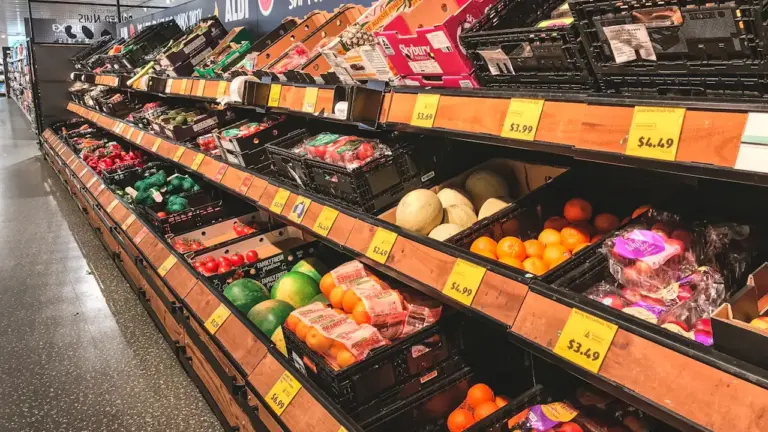
- Plant-Based Innovation: The exponential growth of plant-based alternatives is reshaping supermarket shelves and restaurant menus, offering environmentally friendly options without compromising on taste.
- Zero-Waste Kitchens: Culinary professionals are championing root-to-shoot and nose-to-tail philosophies, drastically reducing food waste and maximizing resource efficiency.
- Regenerative Agriculture: There is a growing emphasis on sourcing ingredients from farms that actively restore soil health and biodiversity, ensuring long-term food security.
The Beverage Renaissance: Craft and Clarity
The transformation within the culinary world is mirrored equally in the beverage sector. We are witnessing a golden age of liquid craftsmanship. Artisanal spirits, natural wines, and micro-roasted specialty coffees have cultivated dedicated followings, emphasizing terroir—the unique environmental factors that give a product its distinctive character.
Simultaneously, the most disruptive trend in recent years has been the sober-curious movement. The demand for complex, sophisticated non-alcoholic beverages has skyrocketed. Mixologists are now devoting as much attention to zero-proof cocktails as they do to their traditional counterparts, utilizing distilled botanicals, complex ferments like kombucha, and house-made shrubs to deliver mature, layered flavor profiles without the alcohol.
Looking Ahead: A Global Table
As we look to the future, the food and drink industry will continue to be shaped by globalization, climate change, and technological advancement. Yet, at its core, the essence of dining remains unchanged: it is about community, storytelling, and shared experiences.
Here at beehiveweb.co.uk, this foundational pillar serves as our commitment to bringing you the most compelling narratives from the culinary world. From the bustling street food markets of Southeast Asia to the avant-garde dining rooms of Europe and the regenerative farms of the British countryside, the world of food and drink is an endless, delicious journey. We invite you to pull up a chair and join us at the table as we continue to explore the tastes, trends, and traditions that feed our world.


Comments