
The Rhubarb Safety Rule: Why This Spring Staple Has a Dangerous Side
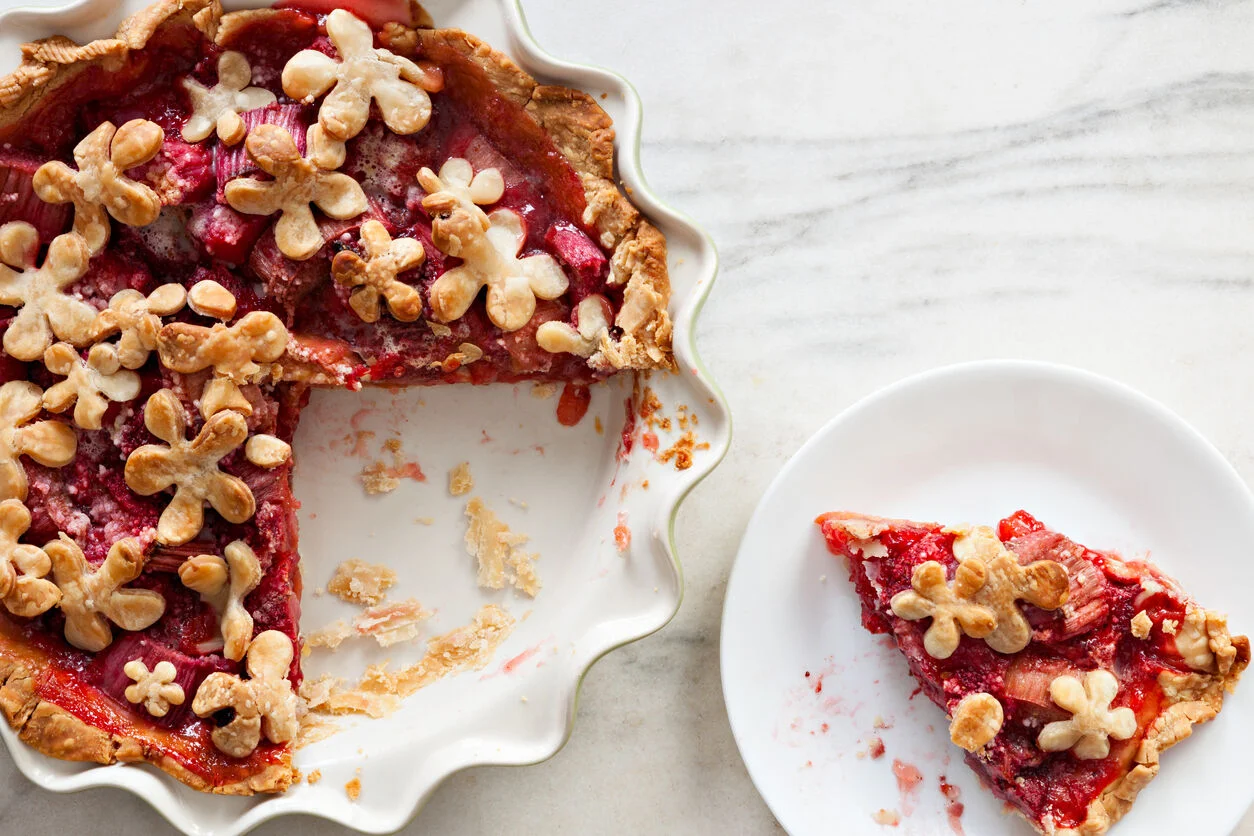
As the first vibrant pink stalks of rhubarb appear in markets across Europe, from the local stalls of Lithuania to the famous ‘Rhubarb Triangle’ in Yorkshire, culinary experts are issuing a timely reminder about this beloved perennial. While it is celebrated as a herald of spring, rhubarb carries a hidden risk that every home cook must respect: its leaves.
In Lithuania, where the vegetable is a nostalgic childhood staple often eaten raw with a dip of sugar, retail culinary experts are highlighting a common kitchen oversight. While the stalks are packed with nutrients, the leaves contain high concentrations of oxalic acid and other nephrotoxic compounds. If ingested, these can cause serious kidney distress. The safety rule is absolute: always remove and discard the leaves entirely before the stalks ever touch your cutting board.
From Medicine to the Dinner Plate
The journey of rhubarb to our kitchens is a curious one. Until the 18th century, it was primarily grown in Europe for medicinal purposes. It wasn’t until it reached England and Scandinavia that it began its transformation into a culinary vegetable.
Interestingly, its botanical identity has often been a point of legal contention. In the 19th century, the United States officially classified rhubarb as a fruit rather than a vegetable. This wasn’t based on biology, but on economics; by labeling it a fruit, the government could apply different import duties. This ‘double identity’ actually reflects its versatility. Rhubarb’s intense acidity allows it to bridge the gap between sweet and savory, acting as a bright counterpoint to heavy fats and rich sugars alike.
Beyond the Classic Crumble
While most UK households immediately think of crumbles, custards, and pies, chefs are encouraging a more adventurous approach. The natural tartness of rhubarb acts as a flavor enhancer for other ingredients. It pairs exceptionally well with oily fish, fatty meats like pork, and even fermented products.

When preparing rhubarb, there is a common misconception that the stalks must always be peeled. If the stalks are young, thin, and fresh, peeling is unnecessary and can actually strip away some of the vibrant color. For those looking to experiment, try stewing chopped rhubarb with a touch of cinnamon and honey to create a glaze for roasted meats, or fold a rhubarb compote into Greek yogurt or morning porridge.
Storage and Revival Hacks
To keep your harvest fresh, store unwashed stalks in the refrigerator. They typically stay crisp for about a week. If you find your rhubarb has become limp or wilted, there is a simple professional trick to bring it back to life: submerge the stalks in a bowl of ice-cold water for several minutes. The cold shock helps restore the cellular structure and ‘snap’ of the vegetable.
For long-term use, rhubarb freezes exceptionally well. Simply wash, dry thoroughly, and chop into one-inch pieces before sealing them in an airtight bag. They will retain their quality in the freezer for up to a year, allowing for a taste of spring even in the depths of winter.
Recipe: The Ultimate Seasonal Rhubarb Crumble
If you want to stick to tradition but elevate the texture, this balanced recipe focuses on a crisp, oat-based topping.

The Filling:
* 3 cups chopped rhubarb stalks
* 2 cups sliced apples (peeled) or fresh strawberries
* 3/4 cup granulated sugar
* 3 tablespoons cornstarch
The Topping:
* 1 cup rolled oats
* 1/2 cup brown sugar
* 1/3 cup all-purpose flour
* 1/2 cup melted butter
* 1 teaspoon ground cinnamon
Instructions:
1. In a large bowl, toss the rhubarb and fruit with the granulated sugar and cornstarch until evenly coated. Transfer the mixture into a greased baking dish.
2. In a separate bowl, combine the oats, brown sugar, flour, and cinnamon. Pour the melted butter over the dry ingredients and stir until the mixture forms coarse crumbs.
3. Sprinkle the topping evenly over the fruit.
4. Bake at 190°C (375°F) for approximately 35-40 minutes, or until the fruit is bubbling and the topping is golden brown. Serve warm, ideally with a scoop of vanilla ice cream or thick clotted cream.
Source: BNS




Comments