
Tower Bridge at 132: why London’s crossing still matters
By Beehive Web Culture Desk
Published: 30 June 2026
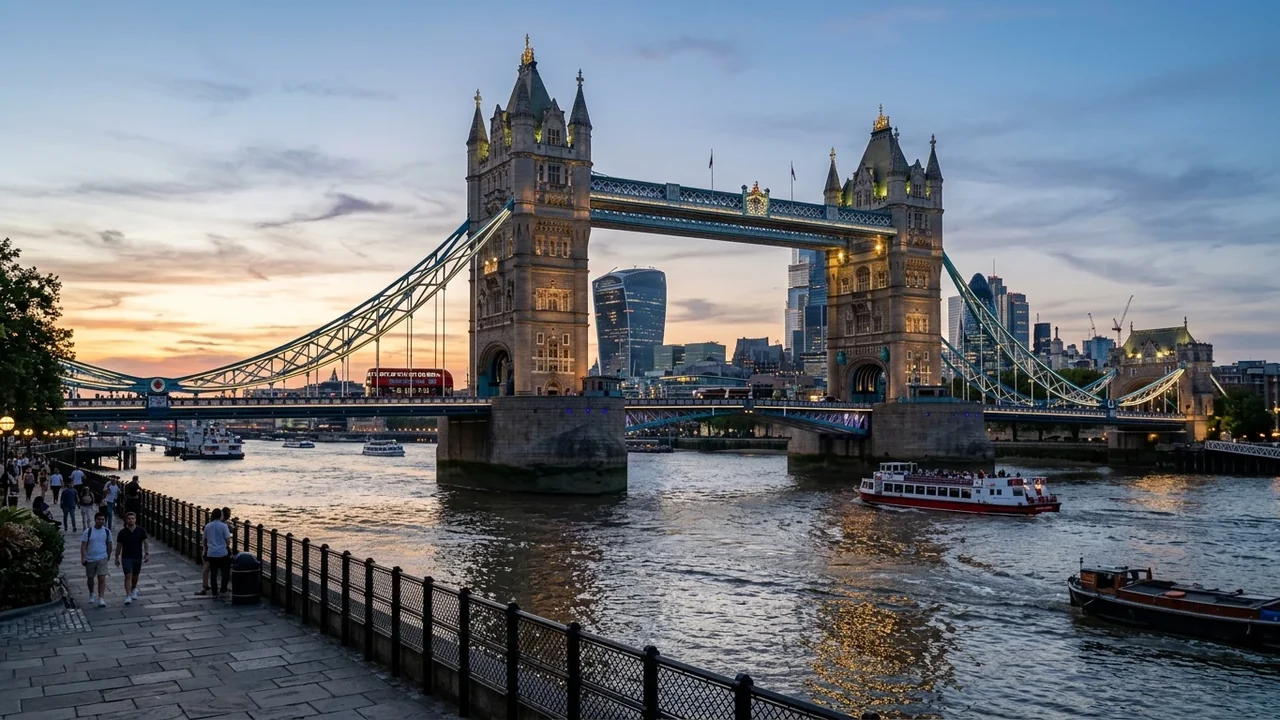
Tower Bridge officially opened on 30 June 1894, which makes today its 132nd anniversary. For London commuters, visitors and families planning a riverside evening, the bridge is not just a postcard view: it is still a working Thames crossing, a route through the city and one of the best places to see London’s river traffic interrupt the road above.
The anniversary is a useful moment to look past the silhouette. Tower Bridge was built to solve a practical problem in a growing city, and its famous opening roadway was designed so ships could still pass along the River Thames. That mix of engineering, transport and public spectacle is why the crossing still matters in 2026.
Why Tower Bridge was built for a growing east London
By the late 19th century, London needed another crossing east of London Bridge. Trade, docks, warehouses and housing were expanding around the river, but any new bridge in that part of the Thames had to avoid blocking vessels using the busy waterway.
That challenge shaped Tower Bridge. A fixed low bridge would have made road travel easier but would have obstructed river traffic. A crossing that opened for ships offered a compromise: people and vehicles could cross most of the time, while taller vessels could still move through when needed.
The official Tower Bridge history records the bridge’s opening date as 30 June 1894. Its design made it a piece of city infrastructure first, even though it later became one of London’s most recognisable landmarks.
This is why the bridge can feel different from some other famous London sights. It was not built only to be looked at. It was built because London needed to move people, goods and river traffic through the same tight stretch of city.
How the bascules let Thames traffic pass
The moving sections of Tower Bridge are called bascules. The word comes from the idea of a balanced lifting mechanism: each side of the roadway can rise so boats with enough height can pass beneath.
When a bridge lift is scheduled, road and pedestrian traffic on the lower crossing is stopped. The two bascules then open upward from the centre. Once the vessel has passed, the bridge lowers and ordinary traffic resumes.
That movement is the feature many visitors hope to see, but it is also a reminder that the Thames remains a working river. Sightseeing boats, service craft and special vessels all share the waterway with the city around them.
The bridge’s design keeps two forms of movement in conversation. On the road, it links banks of the Thames near the Tower of London. On the river, it preserves a navigable route through central London. The point of the structure is not only that it opens, but that it opens because the city still needs it to.
A working crossing as well as a London landmark
Tower Bridge has become a visual shorthand for London, but its daily role is more ordinary and more useful. It carries people across the Thames, sits on routes used by walkers and road traffic, and anchors a stretch of riverside that connects cultural visits, office journeys and evening plans.
For commuters, the practical point is simple: bridge lifts can briefly affect crossing times. The lift itself is part of the bridge’s purpose, but it can also mean a pause for anyone trying to cross at street level.
For visitors, the same moment is often the highlight. Watching the bascules rise gives the bridge scale. It turns a familiar skyline object into a working machine, with road barriers, river movement and the changing angle of the roadway all visible in real time.
Families planning a walk can use that to their advantage. The riverside views around Tower Bridge are clear enough to make a scheduled lift part of an evening route, especially in summer when daylight lasts later and the Thames paths are busy with walkers.
What to check before visiting today
Tower Bridge publishes bridge lift times for visitors and river users, so the most useful check before going is the official lift schedule. Times can matter if you want to watch the bridge open, and they can also matter if you need to cross without delay.
Before heading out, check:
- The official Tower Bridge lift times page for scheduled openings.
- Whether your route depends on crossing at road level around a listed lift.
- Sunset and weather conditions if you are planning an evening riverside walk.
- Visitor opening information if you also want to go inside the bridge.
A scheduled lift is not the same as a general show. It happens for river traffic, which is why the timing depends on vessels rather than a fixed tourist performance. That is part of the appeal: the bridge is doing the job it was designed to do.
A short timeline of Tower Bridge
30 June 1894: Tower Bridge officially opens in London.
Late 19th century: The bridge answers the need for a new Thames crossing while keeping the river open to shipping.
20th century: Tower Bridge becomes both a transport route and a defining image of London.
2026: The bridge remains a working crossing, with official lift times still published for river traffic and visitors.
Why the anniversary still has practical value
The 132nd anniversary is not just a date for history pages. It explains why the bridge looks and behaves the way it does. The towers, walkways and opening road deck all come from a transport problem: how to cross the Thames without closing the Thames.
That makes Tower Bridge useful to understand before a visit. If you know why the bascules lift, a bridge opening is more than a photo opportunity. It is a live example of Victorian engineering still serving modern London.
For anyone in London today, the best next check is simple: look up the official lift times before you travel. If one lines up with your plans, the anniversary gives you a timely reason to pause by the river and watch the crossing do what it was built to do.
Source: Tower Bridge
Context & actions About this article
Source check Source context
This feature uses Tower Bridge’s own history and lift-time pages for the opening date and current practical checks.
- Tower Bridge history page for the official 30 June 1894 opening date
- Tower Bridge lift times page for scheduled bridge openings
- Current visitor information before planning an indoor visit
- Source
- Tower Bridge
- Scope
- London
- Updated
- 2026-06-30 07:36
Source check
Report a trust issue
Send a clear signal to community moderation if the source, facts or context need review.




Comments