
Type 2 Diabetes Is Rising Among Younger Adults in England
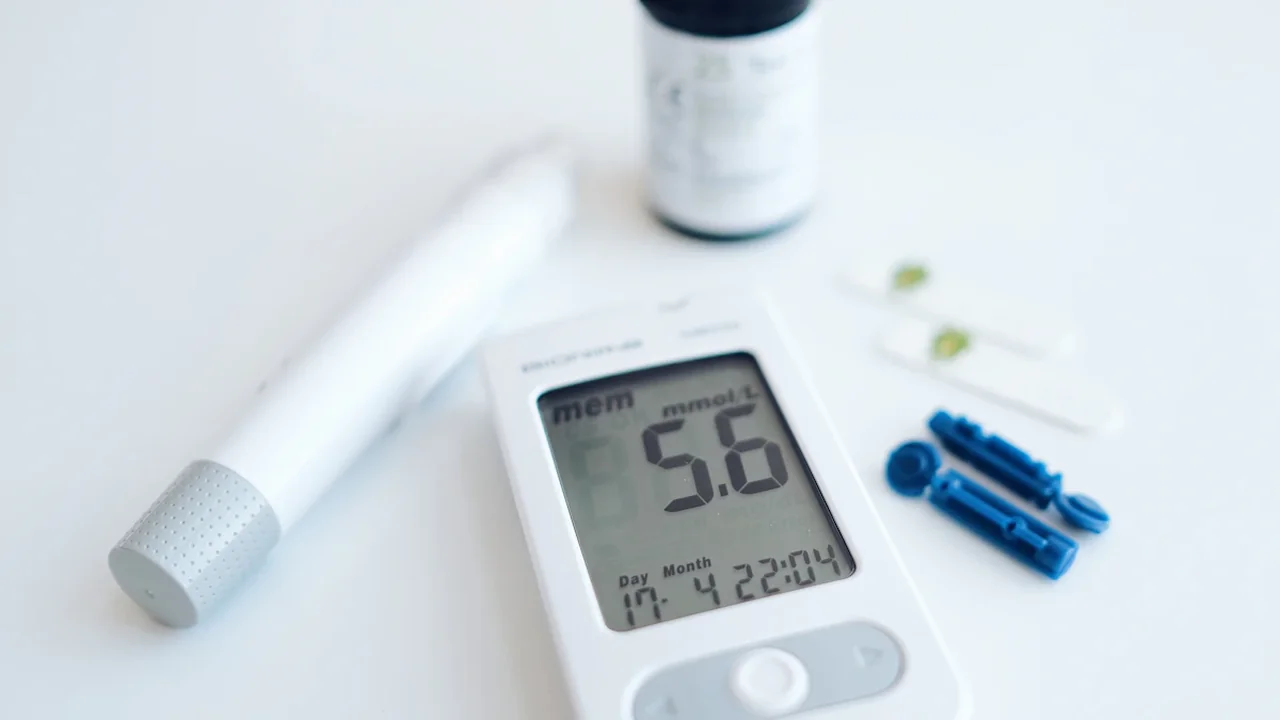
New data from England shows a clear age divide in type 2 diabetes diagnoses: rates increased among adults under 40 between 2011 and 2024, while they fell among people aged 60 to 79. The sharpest rises were recorded among women in their 20s and 30s, according to analysis of National Diabetes Audit data.
The findings were highlighted by Diabetes UK in its July 2026 research review, alongside new work on diabetes-related foot ulcers and personalised treatments for type 1 diabetes.
Early-onset type 2 diabetes is becoming more common
Researchers found that new diagnoses increased among younger adults during the 13-year period studied. People from Black and South Asian backgrounds remain disproportionately affected, but increases in early-onset type 2 diabetes were also seen among White populations.
The study found that younger people diagnosed with type 2 diabetes tended to have higher body mass indexes than people diagnosed later in life. BMI at diagnosis also rose more quickly among younger adults over the decade, suggesting that increasing levels of obesity may be contributing to the trend.
However, the data does not establish a single cause. Diabetes UK said type 2 diabetes risk reflects a combination of biological, behavioural, social and environmental factors.
Being diagnosed earlier can mean living with the condition for more years. The organisation noted that type 2 diabetes diagnosed at a younger age can be more aggressive, with a higher risk of serious complications and reduced life expectancy.
Shoe fit may affect foot ulcer risk
A separate study funded by Diabetes UK examined how the gap between the longest toe and the end of a shoe affects pressure on the foot. People living with diabetes walked in shoes with toe gaps ranging from 0.5cm to 2cm while researchers measured pressure beneath different parts of the foot.
Larger gaps were linked to increased pressure beneath the big toe. In some participants, pressure reached levels previously associated with a higher risk of diabetes-related foot ulcers.
The researchers also assessed participants’ everyday shoes. More than three quarters were the wrong length, while almost half were the wrong width. The findings suggest that extra space is not automatically safer: shoes that are too tight, too loose or rub can all contribute to foot damage.
Well-fitting footwear remains part of diabetes foot-care advice, with wide shoes and a deep or rounded toe area recommended. The study was published in Diabetic Medicine, but further research is needed to clarify how footwear guidance should account for toe-gap measurements.

Research is moving towards personalised type 1 treatment
Another study analysed blood samples from 560 people recently diagnosed with type 1 diabetes who had taken part in immunotherapy trials. Researchers identified two broad immune-response patterns.
One group showed stronger inflammatory activity and tended to lose insulin-producing beta-cell function more quickly. The second showed a different immune profile and a slower decline.
Some immunotherapies appeared to work better for one group than the other. The findings add to evidence that type 1 diabetes may involve different immune processes in different people, although more research is required before treatment can be matched routinely to individual immune profiles.
Teplizumab became the first type 1 diabetes immunotherapy available on the NHS in June. The new research could help scientists identify which people are most likely to benefit from particular treatments and develop more targeted options.
Source: Diabetes UK News and Views
Context & actions About this article
Source check Source trail
This article follows the July 2026 Diabetes UK research review and separates reported findings from areas where more research is needed.
- Reviewed the National Diabetes Audit study period from 2011 to 2024
- Retained the reported age, ethnicity and BMI findings without adding statistics
- Included the stated shoe-gap range and footwear-fit findings
- Separated type 1 immune-profile observations from future treatment possibilities
- Source
- Diabetes UK News and Views
- Scope
- England
- Updated
- 2026-07-30 12:32
Source check
Report a trust issue
Send a clear signal to community moderation if the source, facts or context need review.




Comments