
UK Interest Rate Forecast: Bank of England June 2026 Decision Analysis
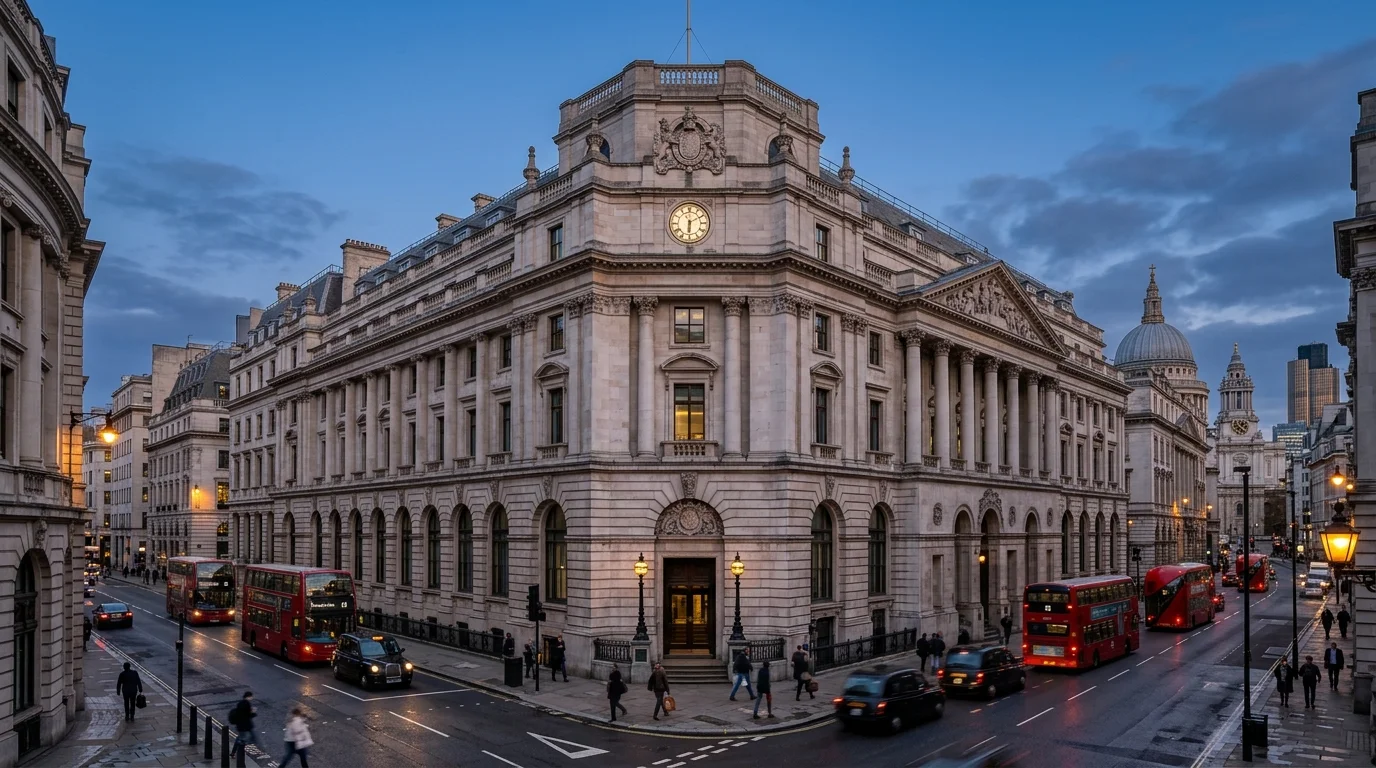
The Bank of England’s Monetary Policy Committee (MPC) currently maintains the UK Base Rate at 3.75%, following a decision to hold steady during its April 30 meeting. As the next scheduled meeting on June 18, 2026, approaches, the central question for homeowners and investors is whether the committee will finally pivot toward a rate reduction. A cut of at least 0.25 percentage points would bring the rate to 3.50%, potentially signaling the start of a more accommodative monetary cycle for the UK economy.
While the 3.75% rate has provided a level of stability compared to the volatility of previous years, the pressure on mortgage holders remains significant. The June 18 decision is viewed as a pivotal moment for the 2026 fiscal year, as the MPC weighs cooling domestic inflation against external geopolitical risks.
The Forecast Question: Will the Base Rate Fall in June?
The primary focus for this forecast is whether the Bank of England will announce a reduction in the Base Rate of at least 0.25% (25 basis points) during its June 18, 2026, meeting. This requires the MPC to move from its current ‘hold’ stance to an active cut. This question is binary: either the rate is reduced by at least the specified amount, or it remains at 3.75% (or rises, though an increase is currently deemed unlikely by market analysts).
Current Economic Evidence and MPC Sentiment
Recent indicators present a complex landscape for Governor Andrew Bailey and the MPC. On one hand, core inflation has shown signs of stabilizing near the 2% target; on the other, external factors are introducing fresh uncertainty.
| Factor | Current Status (May 2026) |
|---|---|
| Current Base Rate | 3.75% (Held since April 30, 2026) |
| Primary Inflation Risk | Volatility in energy prices due to Middle East conflict |
| MPC Stance | Data-dependent, cautious ‘wait-and-see’ approach |
| Mortgage Market | Lenders pricing in a ‘higher for longer’ scenario |
The April 30 meeting minutes revealed a committee that is hesitant to act prematurely. While some members noted that the restrictive policy is successfully dampening demand, the majority cited the risk of ‘second-round’ inflation effects. Specifically, ongoing conflicts in the Middle East have the potential to disrupt global supply chains and spike energy costs, which could quickly undo the progress made on the Consumer Prices Index (CPI).
Furthermore, wage growth remains a concern for the BoE. If service-sector inflation does not show a clear downward trend in the May data release, the MPC may opt to delay any rate cuts until the late summer or autumn months to ensure price stability is fully entrenched.
Resolution Rules for the June Decision
The resolution of this forecast depends entirely on the official announcement from the Bank of England on June 18, 2026.
- YES Resolution: This forecast will resolve as ‘YES’ if the Bank of England officially announces a Base Rate of 3.50% or lower on June 18, 2026. This represents a minimum reduction of 0.25% from the current 3.75% level.
- NO Resolution: This forecast will resolve as ‘NO’ if the Bank of England announces that the Base Rate will remain at 3.75% or if they announce any rate higher than 3.75%.
- Data Source: The primary source for resolution is the official ‘Monetary Policy Summary and minutes’ published on the Bank of England’s website.
Impact on Borrowers and the Housing Market
A ‘YES’ outcome in June would likely trigger an immediate response in the mortgage market. While many fixed-rate products already have some level of reduction ‘priced in,’ a formal cut from the BoE provides the necessary confidence for lenders to lower their own margins. For those on tracker mortgages, the impact would be felt in the next monthly payment cycle, providing direct relief to household budgets.
Conversely, a ‘NO’ outcome—a decision to hold at 3.75%—may lead to a temporary hardening of mortgage rates. If the market perceives the BoE as more ‘hawkish’ than previously thought, the cost of swap rates (which lenders use to price fixed deals) could rise, making it more expensive for first-time buyers and those looking to remortgage in the second half of 2026.
Source: bankofengland.co.uk




Comments