
Why 18 June still matters: Waterloo and Britain’s memory
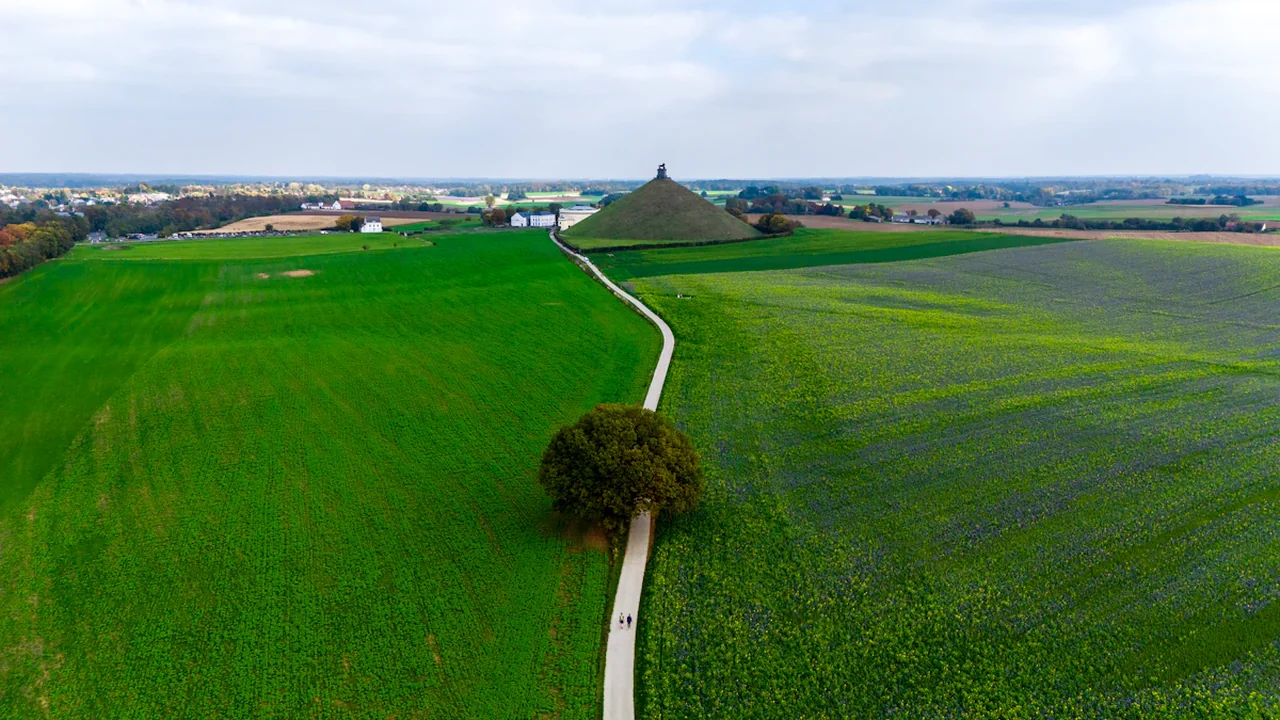
On 18 June 1815, the Battle of Waterloo ended Napoleon Bonaparte’s final attempt to dominate Europe and fixed one date permanently in British public memory. It matters because Waterloo was not only a British victory story. It was a coalition battle, a European turning point and a source of language, monuments, museum displays and political shorthand still used more than two centuries later.
The date survives in railway stations, street names, military collections and familiar phrases because it became a way of talking about defeat, leadership, alliance and the end of an era. For British readers, Waterloo is often linked first with Arthur Wellesley, the Duke of Wellington. That connection is real, but it is only part of the story.
What happened at Waterloo on 18 June 1815
The Battle of Waterloo was fought near Waterloo, in present-day Belgium, after Napoleon returned from exile and tried to restore his power in France. His renewed campaign alarmed the European powers that had already spent years fighting the French Empire.
Napoleon’s army faced an allied force commanded by the Duke of Wellington and a Prussian army led by Gebhard Leberecht von Blucher. The battle became decisive because it stopped Napoleon’s last campaign and ended the short period often called the Hundred Days.
The fighting was brutal and close-run. Wellington’s army held defensive positions while Napoleon attempted to break the allied line. The arrival and pressure of Prussian forces became crucial to the result, turning the battle from a duel between two commanders into a coalition victory over Napoleon’s final bid for power.
That point matters. Waterloo is often remembered in Britain through Wellington, uniforms, cavalry charges and famous battlefield episodes. Yet the outcome depended on allied cooperation. British, Dutch, Belgian, German and other troops fought in Wellington’s army, while the Prussians played a decisive role on the battlefield.
Wellington’s role was central, but not solitary
The Duke of Wellington remains the best-known British figure associated with Waterloo. He commanded the allied army that resisted Napoleon’s attacks and became, in British memory, the model of cool command under extreme pressure.
Wellington’s reputation was strengthened by the battle’s timing. Britain had spent years at war with Napoleonic France, and Waterloo offered a clear ending to a long conflict. A commander who had already built his name in the Peninsular War became the public face of victory.
But a Britain-only version reduces the history. Wellington’s army was not simply a British army, and Waterloo was not won by Britain acting alone. It was part of a wider European struggle over France, empire, monarchy, revolution and the balance of power after years of war.
The National Army Museum presents Waterloo as a major moment in British military history, while also placing it in the wider campaign against Napoleon. Royal Museums Greenwich likewise treats the battle as a historical event with broader European consequences, not just a patriotic set piece.
Napoleon’s defeat ended more than one campaign
Napoleon Bonaparte had transformed European politics and warfare before Waterloo. His armies had redrawn borders, challenged old regimes and forced Britain and continental powers into repeated coalitions against him.
By 1815, Napoleon had already been defeated and exiled once. His return to power raised the possibility that Europe would be pulled back into large-scale war. Waterloo closed that possibility quickly and publicly.
After the defeat, Napoleon abdicated again and was sent into exile on Saint Helena. That made Waterloo a clear historical marker: the end of his rule, the end of his final campaign and the beginning of a post-Napoleonic settlement in Europe.
For that reason, the battle carries a meaning beyond the battlefield. It represents the moment when the Napoleonic era gave way to a different European order, shaped by diplomacy, conservative restoration and the attempts of major powers to prevent another continent-wide upheaval.
Why Britain remembers Waterloo so strongly
Britain remembers Waterloo because it offered a simple symbol for a complicated period. Years of war, fear of invasion, naval conflict, continental campaigns and shifting alliances could be condensed into one place name.
That is why Waterloo appears so often in British public life. London Waterloo station, Waterloo Bridge and many local street names helped turn the battle into a familiar part of the built environment. Even people who know little about the battle may encounter the name in daily travel or local geography.
Museums also keep the memory active. Military collections use Waterloo to explain uniforms, weapons, command, battlefield medicine and the experience of soldiers. The National Army Museum’s treatment of the battle connects it to British military identity, while Royal Museums Greenwich provides broader historical context for the period.
The battle also entered political and everyday language. To meet one’s Waterloo means to suffer a final, decisive defeat. That phrase works because the battle has become a cultural reference point, not only a military event.
Waterloo was a European memory, not just a British one
The British memory of Waterloo is powerful, but it sits alongside other national memories. For France, Waterloo is tied to Napoleon’s final fall. For Prussia and later German memory, the Prussian role helped shape narratives of military effectiveness and European influence.
Belgium holds the battlefield itself, giving the place a practical and commemorative role in European heritage. Visitors encounter memorials, museums and landscapes that make clear the battle was fought on continental ground by multinational forces.
This wider view changes the meaning of 18 June. The anniversary is not simply a day to remember British victory. It is a date that shows how European wars were fought by coalitions, how leaders became symbols and how one battlefield could become shorthand for the end of an age.
It also helps explain why Waterloo remains useful in public discussion. The name can describe a leader’s downfall, a state’s strategic failure or a turning point after which political possibilities narrow. That language depends on the battle’s reputation as final and irreversible.
Where modern readers still meet Waterloo
Waterloo remains visible because it has moved from military history into everyday culture. Readers may meet it in several ordinary places:
- Place names, especially in London and towns with nineteenth-century memorial naming.
- Museum galleries explaining Napoleonic warfare and British military history.
- Political commentary using Waterloo as shorthand for decisive defeat.
- School history, battlefield tourism and anniversary coverage.
- Books, films and biographies about Wellington, Napoleon and the Napoleonic Wars.
These references can flatten the story if they treat Waterloo as a single heroic duel. The more useful reading is broader: Wellington mattered, Napoleon’s defeat mattered, and the allied nature of the victory mattered just as much.
The date’s lasting meaning in 2026
In 2026, 18 June still matters because Waterloo remains one of the clearest examples of how history becomes public memory. A battle fought in 1815 survives in transport maps, museum labels, military language and political metaphor.
The anniversary is also a reminder to read familiar names carefully. Waterloo was not just a British triumph and not simply Napoleon’s personal disaster. It was a coalition victory at the end of a long European conflict, remembered differently by different countries but still recognised as a decisive break in modern European history.
For readers seeing the name on a station sign, in a museum caption or in a headline about a politician’s downfall, that is the useful connection: Waterloo means the moment when ambition, alliance and military pressure produced a final turning point.
Source: National Army Museum
Context & actions About this article
Source check Historical context
This explainer uses museum background from the National Army Museum and Royal Museums Greenwich to place Waterloo in British and European memory.
- Checked the battle date and its link to Napoleon’s final campaign
- Cross-checked Wellington’s role with the wider allied and Prussian contribution
- Kept modern references limited to public memory, place names, museums and language
- Source
- National Army Museum
- Scope
- Europe
- Updated
- 2026-06-18 07:34
Source check
Report a trust issue
Send a clear signal to community moderation if the source, facts or context need review.



Comments