
Why 29 June still matters in the UK calendar
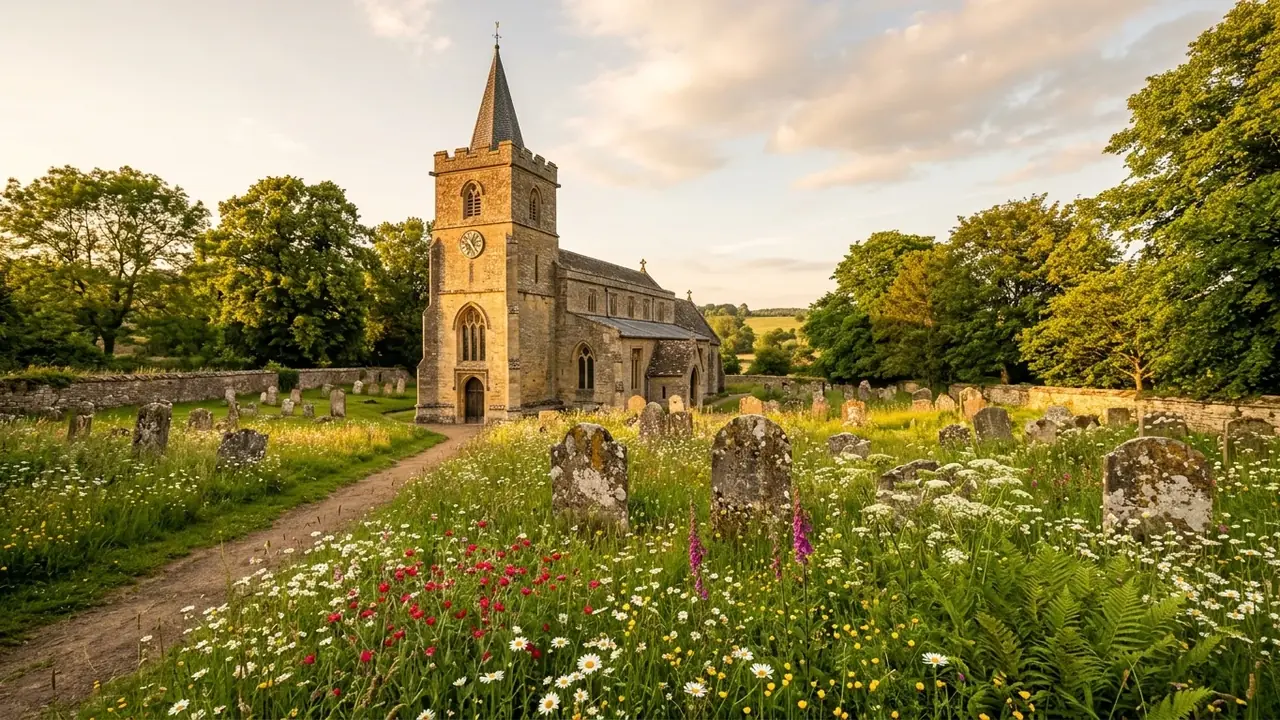
By Beehiveweb Culture Desk
29 June matters because it is the Feast of Saints Peter and Paul, a fixed point in the Christian calendar that still helps explain the rhythm of late-June parish life in the UK. The date sits at the point where church observance, school-year endings, agricultural timing and summer civic habits overlap, making it more than a line in a saints’ calendar.
29 June is the feast day of Saint Peter and Saint Paul
The most precise reason the date appears in historical and church calendars is religious. Encyclopaedia Britannica identifies the Feast of Saints Peter and Paul as being observed on 29 June, placing the day among the long-standing Christian commemorations attached to a fixed date rather than to Easter.
That distinction matters. Some Christian dates move each year because they depend on Easter. Others remain anchored to the same day in the civil calendar. Saints Peter and Paul’s Day is one of those fixed observances, which is why it can be found in almanacs, parish planning, church notices and cultural calendars without needing a yearly calculation.
Saint Peter and Saint Paul occupy different but central places in Christian memory. Peter is traditionally associated with apostolic leadership and the early church. Paul is associated with missionary work, letters and the spread of Christianity beyond its first Jewish setting. Marking them together gives the day a broader meaning than a single local saint’s day: it remembers authority, teaching, mission and the foundations of the church.
In the UK, the date is most visible in churches that follow a structured liturgical year. The Church of England publishes its calendar through Common Worship, the framework used by clergy, parishes and worship planners to order the church year. That makes 29 June a practical planning date as well as a historic commemoration.
Why the day sits naturally in late-June parish life
The date falls just after midsummer, when light evenings, churchyard maintenance, village events and end-of-term routines tend to gather pace. That seasonal setting helps explain why a religious date can also feel civic and communal.
In many parish settings, a feast day does not stand alone as a private devotion. It can shape the nearest Sunday service, the choice of readings, hymns, prayers, flowers, notices and sometimes a church social event. Where a church is dedicated to Saint Peter, Saint Paul, or both, the feast can also function as a patronal festival: the annual celebration of the church’s dedication.
That is one reason late June can still leave traces in local diaries. A parish may mark the saint’s day with a sung Eucharist, a visiting preacher, a community lunch or a churchyard gathering. The form varies from place to place, but the underlying pattern is old: a religious calendar gives a community a reason to meet at a particular point in the year.
The timing also works practically. Late June usually offers longer evenings and more usable daylight for church fetes, school services, outdoor refreshments and village fundraising. Those activities should not be confused with the feast itself, but they help show why midsummer church dates often became woven into wider community life.
Midsummer made saints’ days part of civic memory
The phrase “midsummer” carries legal, agricultural and social associations in Britain as well as seasonal ones. Historically, the period around the summer solstice and late June helped communities organise work, rents, fairs, hiring, parish business and public gatherings. Not every custom belonged to 29 June exactly, but the date sits inside that wider midsummer cluster.
This is where the importance of 29 June becomes cultural rather than merely devotional. A fixed church date gave people a shared marker in a world where local life depended on seasons. Before modern digital calendars, repeated annual observances helped people remember when certain work, payments, journeys or public occasions belonged.
Late June also had a natural social advantage. Haymaking, livestock routines and summer markets shaped rural life, while towns and cities used summer weather for civic ceremonies and public events. Church bells, fairs, school gatherings and parish notices all formed part of the same calendar landscape.
The point is not that every village kept the same custom on Saints Peter and Paul’s Day. The useful historical point is narrower: a fixed feast day near midsummer helped Christian time and local time speak to each other.
How the Christian calendar still affects UK planning
The Church of England calendar remains relevant because it gives parishes a common structure for worship across the year. Clergy and churchwardens use it to plan services, readings, colours, commemorations and seasonal observances. For readers outside church life, that may sound internal, but it still affects public-facing activity.
Church schools may hold end-of-year services in parish churches. Cathedral and diocesan calendars often become especially busy in early summer. Local churches plan patronal festivals, ordinations, concerts, open days and fundraising events around the same seasonal window. In that sense, the calendar is both theological and logistical.
The late-June position is especially significant because it comes close to the end of the academic year in England, Wales, Scotland and Northern Ireland, though exact term dates vary by nation, council and school. Families are already thinking about leavers’ assemblies, summer fairs, sports days and holiday arrangements. Churches connected to schools often feel that rhythm strongly.
Agriculture still adds another layer. Modern farming is far more technical and weather-data driven than older seasonal customs, but late June remains an important time for grass growth, hay and silage decisions, livestock routines and preparation for harvest. Rural churches and village institutions often reflect that seasonal workload in attendance patterns and event timing.
Why 29 June is more useful than a trivia date
A today-in-history entry can make 29 June look like a simple fact: Saints Peter and Paul are commemorated on this date. The richer story is how a fixed religious observance helps reveal the calendar habits of local Britain.
It shows how church time survived inside ordinary planning. It explains why some parish churches treat late June as a moment of identity and gathering. It also helps explain why midsummer still feels like a turning point in schools, villages and rural communities, even when many people no longer think of the season in explicitly religious terms.
The date is also a reminder that national history is not only made from battles, laws and royal anniversaries. It is made from repeated local patterns: the annual service, the churchyard tidy-up, the school visit to the parish church, the noticeboard announcement, the summer fete and the village calendar that quietly returns to the same weeks each year.
For UK readers, that is the practical value of the date. If 29 June appears in a diary, church notice or heritage calendar, it is usually pointing to a longer story about Christian observance, midsummer timing and the way communities organise themselves around recurring seasons.
Source: Encyclopaedia Britannica
Context & actions About this article
Source check Source context
This article uses Britannica for the feast date and the Church of England calendar for worship-planning context.
- Britannica confirms the Feast of Saints Peter and Paul is observed on 29 June.
- The Church of England publishes the Common Worship calendar used for church-year planning.
- Local parish customs vary, so named events should be checked with the relevant church.
- Source
- Encyclopaedia Britannica
- Scope
- United Kingdom
- Updated
- 2026-06-29 07:35
Source check
Report a trust issue
Send a clear signal to community moderation if the source, facts or context need review.



Comments