
1 in 4 Homeowners Hit by Storm Damage as Repair Costs Surge
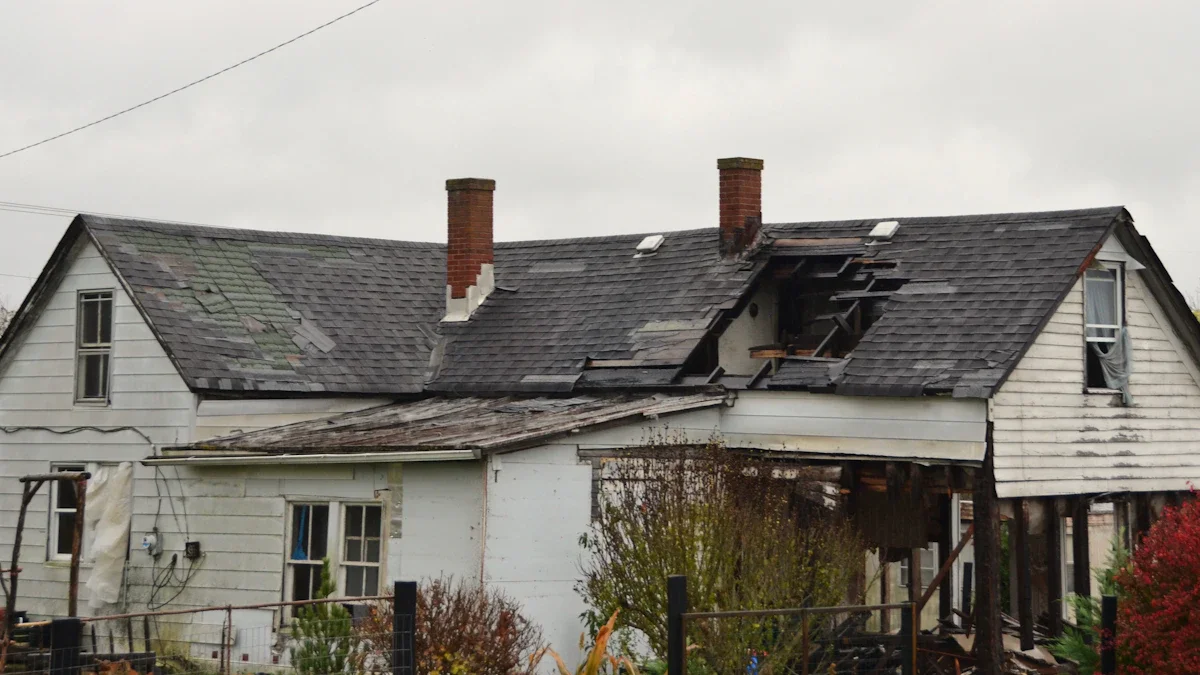
The frequency of extreme weather events is no longer a distant concern for property owners, as new data reveals a significant shift in the financial risk of maintaining a home. Recent findings indicate that nearly 25% of residents have suffered property damage due to natural disasters over the last five years. This statistic challenges the long-held perception that severe storms, hail, and flash floods are rare, once-in-a-decade occurrences.
Data from Swedbank’s insurance division highlights an alarming acceleration in claims. By the start of 2026, the company had already paid out nearly €1.5 million in damages—a figure that matches the total compensation distributed throughout the entire year of 2025. This rapid accumulation of costs suggests that the intensity and frequency of weather-related incidents are outpacing historical expectations, placing a heavier burden on both insurers and the uninsured.
The Financial Reality of Volatile Weather
The financial impact of these events is rarely minor. While the average claim sits at approximately €1,000, the ceiling for potential loss is significantly higher. The most severe cases recorded recently have seen individual claims reach as high as €64,000, often involving total roof failures or extensive structural damage.
What the data proves is that the “buffer zone” between a minor inconvenience and a financial crisis is narrowing. A 15% increase in the number of damage cases compared to the previous year indicates that more households are being drawn into the cycle of repair and recovery. However, these numbers do not necessarily prove that every storm is getting stronger; rather, they suggest that our built environment—and the items we keep within it—is increasingly vulnerable to the specific types of volatility we are now seeing.
| Metric | 2025 Full Year | Early 2026 (To Date) |
|---|---|---|
| Total Payouts | €1.5 Million | €1.5 Million |
| Claims Growth | Baseline | +15% Increase |
| Average Loss | €1,000 | €1,000 |
| Peak Single Loss | €64,000 | N/A |
Vulnerabilities Beyond the Front Door
When we think of storm damage, we often envision catastrophic roof collapses or shattered windows. While approximately one-third of victims report damage to their primary dwellings, an equal number report damage to vehicles. Perhaps most surprisingly, the largest share of claims involves secondary property and outdoor infrastructure.
Items that define modern outdoor living—fences, terraces, carports, and gazebos—are often the first to fail. As homeowners invest more in their outdoor spaces with expensive grills, trampolines, and garden furniture, the “surface area” for potential financial loss expands. These items are frequently lighter and less structurally integrated than the main house, making them easy targets for high-velocity winds.

The Seasonal Shift in Risk
The nature of property risk fluctuates with the calendar, requiring a year-round approach to maintenance. Early-year claims are dominated by the weight of snow and the mechanical force of high winds. In contrast, autumn brings the risk of water penetration.
Experts note that the full scale of damage often remains hidden for weeks or even months. For example, a small leak in a roof structure caused by a summer storm may not manifest as a visible problem until the sustained rains of autumn, by which point the internal damage—and the subsequent repair bill—has multiplied. This “lag effect” means that the statistics we see today may actually underrepresent the true level of ongoing property degradation.
Preparing for the New Normal
As the season for heavy rains and thunderstorms approaches, the emphasis must shift from reactive repair to proactive fortification. Reducing the risk of a five-figure repair bill often starts with basic maintenance that is frequently overlooked during calmer weather.
Securing loose outdoor structures, ensuring that rainwater drainage systems are clear of debris, and conducting professional inspections of roof fixings are no longer optional chores; they are essential financial safeguards. While insurance provides a vital safety net to avoid unexpected out-of-pocket expenses, the rising trend in claims suggests that the most resilient homeowners will be those who treat weather preparedness as a continuous process rather than an emergency response.
Source: BNS



Comments