
14 June in UK history: Falklands surrender and remembrance
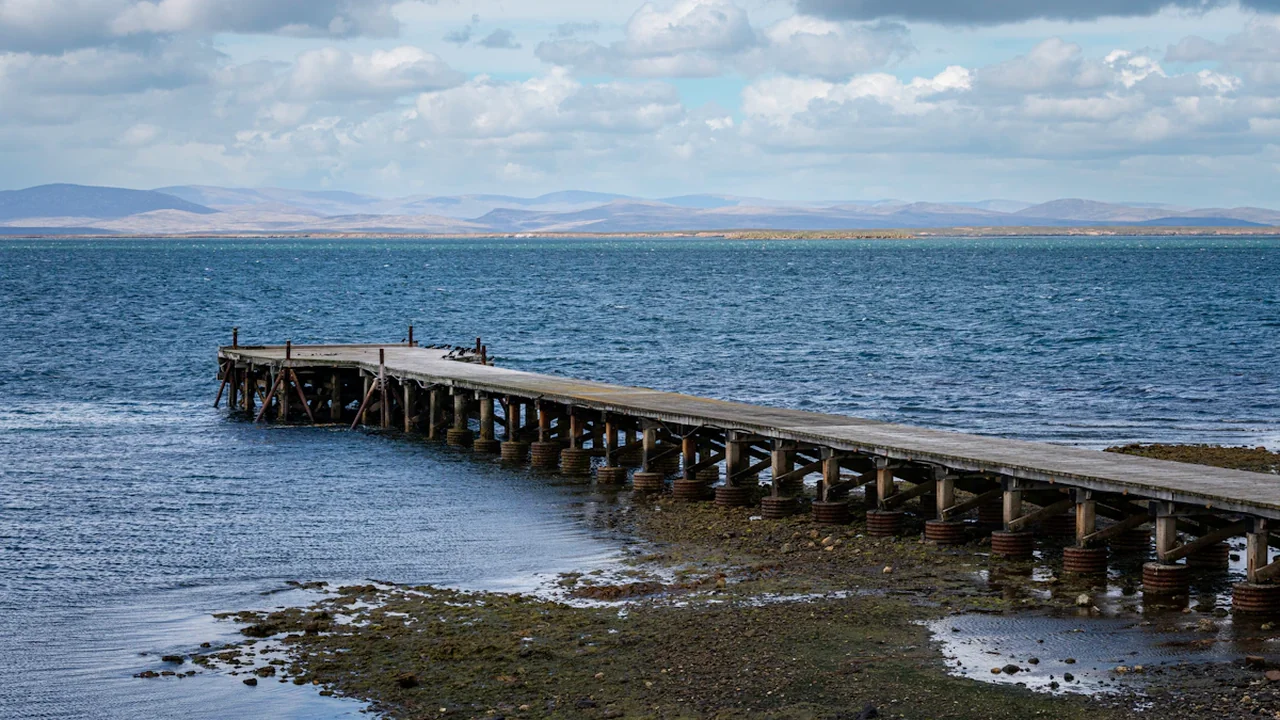
On 14 June 2026, the anniversary of the Argentine surrender at Port Stanley again brings the Falklands War into public memory in the United Kingdom and the Falkland Islands. The date matters because major fighting ended on 14 June 1982, families still live with the losses, veterans continue to mark service and sacrifice, and the islands observe Liberation Day while the wider diplomatic dispute has not disappeared.
The anniversary is often described through military events, but its meaning is broader than a battlefield date. It is about islanders who endured occupation, service personnel sent thousands of miles from home, Argentine families who also lost loved ones, and a post-war relationship that remains shaped by sovereignty, memory and distance.
Why 14 June 1982 is remembered
Argentine forces landed in the Falkland Islands on 2 April 1982, beginning a conflict with the United Kingdom over sovereignty of the South Atlantic territory. The UK government sent a naval task force, and fighting followed at sea, in the air and on land before Argentine forces in Port Stanley surrendered on 14 June.
That surrender brought the main campaign to an end. In the Falkland Islands, the date became Liberation Day, an annual public commemoration of the end of occupation. In the UK, it is remembered through veterans’ associations, military families, official commemorations and local memorials.
Imperial War Museums presents the conflict as part of a longer sovereignty dispute and explains the 1982 timeline through the invasion, the British response and the campaign that followed. UK Government remembrance material for the 40th anniversary also placed emphasis on service, loss and the continuing bond with the islands.
A short Falklands War timeline
- 2 April 1982: Argentine forces landed in the Falkland Islands and took control of Port Stanley.
- Early April 1982: The United Kingdom began dispatching a task force to the South Atlantic.
- 25 April 1982: British forces retook South Georgia, an early stage in the wider campaign.
- May 1982: Fighting intensified at sea, in the air and on land as British forces moved towards the islands.
- 21 May 1982: British troops landed at San Carlos, opening the main land campaign.
- Late May to mid-June 1982: British forces advanced across East Falkland towards Port Stanley.
- 14 June 1982: Argentine forces in Port Stanley surrendered, ending major fighting in the Falklands War.
The conflict lasted just over ten weeks, but its impact was not short-lived. The distance from Britain, the speed of the deployment and the losses at sea and on land made it one of the defining UK military events of the late 20th century.
The human cost behind the date
The Falklands War is commonly recorded as having cost the lives of 255 British service personnel, 649 Argentine service personnel and three Falkland Islanders. Those numbers are central to why the anniversary is marked with restraint rather than celebration.
For UK families, 14 June can bring public recognition but also private grief. Some relatives received news of deaths during a conflict that unfolded far from the British mainland and was followed closely through television, radio and newspapers.
For veterans, the anniversary can carry mixed meanings. It may mark survival, comradeship and the end of fighting, but it can also reopen memories of danger, loss and difficult service conditions. Remembrance events often balance military pride with acknowledgement of lasting physical and mental consequences.
For islanders, Liberation Day has a distinct local meaning. It marks the end of occupation and the return of British administration, but also remembers civilians who lived through uncertainty and fear in a small community suddenly placed at the centre of an international crisis.
Why the armed forces remain central to public memory
The Falklands campaign involved the Royal Navy, Royal Marines, Army, Royal Air Force and Merchant Navy support. The task force travelled roughly 8,000 miles from Britain, making logistics, naval protection and air operations central to the campaign.
For many UK readers, the war is remembered through ships, regiments, air squadrons and individual local memorials. Names on memorial plaques often connect national history to specific towns, bases and families.
That local dimension helps explain why 14 June continues to be marked beyond official statements. Services, wreath-laying and veterans’ gatherings turn a national anniversary into a personal act of remembrance.
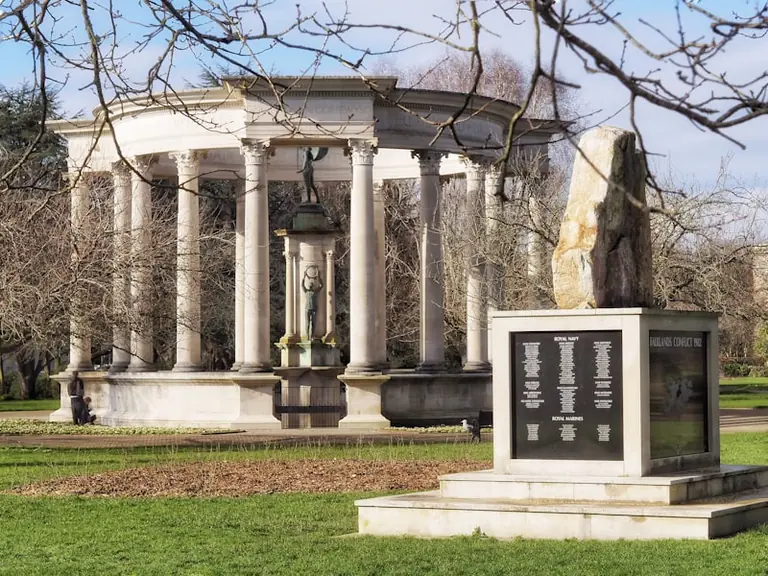
The date also sits within the wider history of post-1945 British military service. It is studied not only as a conflict over territory, but as a case of rapid deployment, amphibious warfare, naval vulnerability and the political consequences of military action.
Liberation Day in the Falkland Islands
In the Falkland Islands, Liberation Day is not an abstract anniversary. It is tied to Port Stanley, the settlement where the surrender took place, and to the lived experience of occupation in 1982.
The commemorations usually focus on remembrance, thanksgiving and community continuity. The tone is different from triumphal language because the date is also a reminder of deaths on both sides and of the islanders’ vulnerability during the conflict.
The phrase Liberation Day matters because it reflects how many islanders understand the end of the occupation. At the same time, the wider sovereignty dispute between the United Kingdom and Argentina remains part of the diplomatic background.
That is why careful language is important. The date can be meaningful to the Falkland Islands and to British veterans while still recognising that Argentine families also remember the war through bereavement.
The diplomatic context has not gone away
The Falklands War ended in 1982, but the sovereignty dispute did not. The United Kingdom continues to administer the Falkland Islands, while Argentina continues to claim sovereignty. The islanders’ own political identity and right to determine their future remain central to the UK position.
This continuing context is one reason the anniversary is still discussed in public life. It is not only a history date. It also sits behind current diplomacy, defence planning, remembrance policy and the way school, museum and media accounts explain the conflict.
For readers looking back on 14 June, the careful distinction is this: the surrender ended major fighting in 1982, but it did not erase the causes, consequences or competing national memories of the war.
Why the anniversary still shapes remembrance in 2026
The 2026 anniversary arrives more than four decades after the conflict, which changes how the war is remembered. Many veterans are now older, younger readers may know the Falklands mainly through family stories or school history, and public memory increasingly depends on museums, archives, documentaries and commemorative events.
That shift makes source context important. Imperial War Museums helps explain why the war happened and how the campaign unfolded. UK Government anniversary material shows how official remembrance has framed the conflict around service, loss and continuing connection with the islands.
The most useful next milestone is the annual Liberation Day commemoration each 14 June in the Falkland Islands, alongside UK remembrance activity by veterans, families and military communities. Those events show how a surrender date remains a living anniversary rather than a closed chapter in a history book.
Source: Imperial War Museums
Context & actions About this article
Source check Source context
This article uses Imperial War Museums historical context and UK Government remembrance material to explain the 14 June anniversary.
- Imperial War Museums context on why the Falklands War happened
- UK Government remembrance material for the Falklands War anniversary
- Publicly recorded 1982 timeline from invasion to surrender
- Source
- Imperial War Museums
- Scope
- United Kingdom and Falkland Islands
- Updated
- 2026-06-14 07:32
Source check
Report a trust issue
Send a clear signal to community moderation if the source, facts or context need review.


Comments