
2026 UK Local Elections: Conservative Party Seat Loss Projections
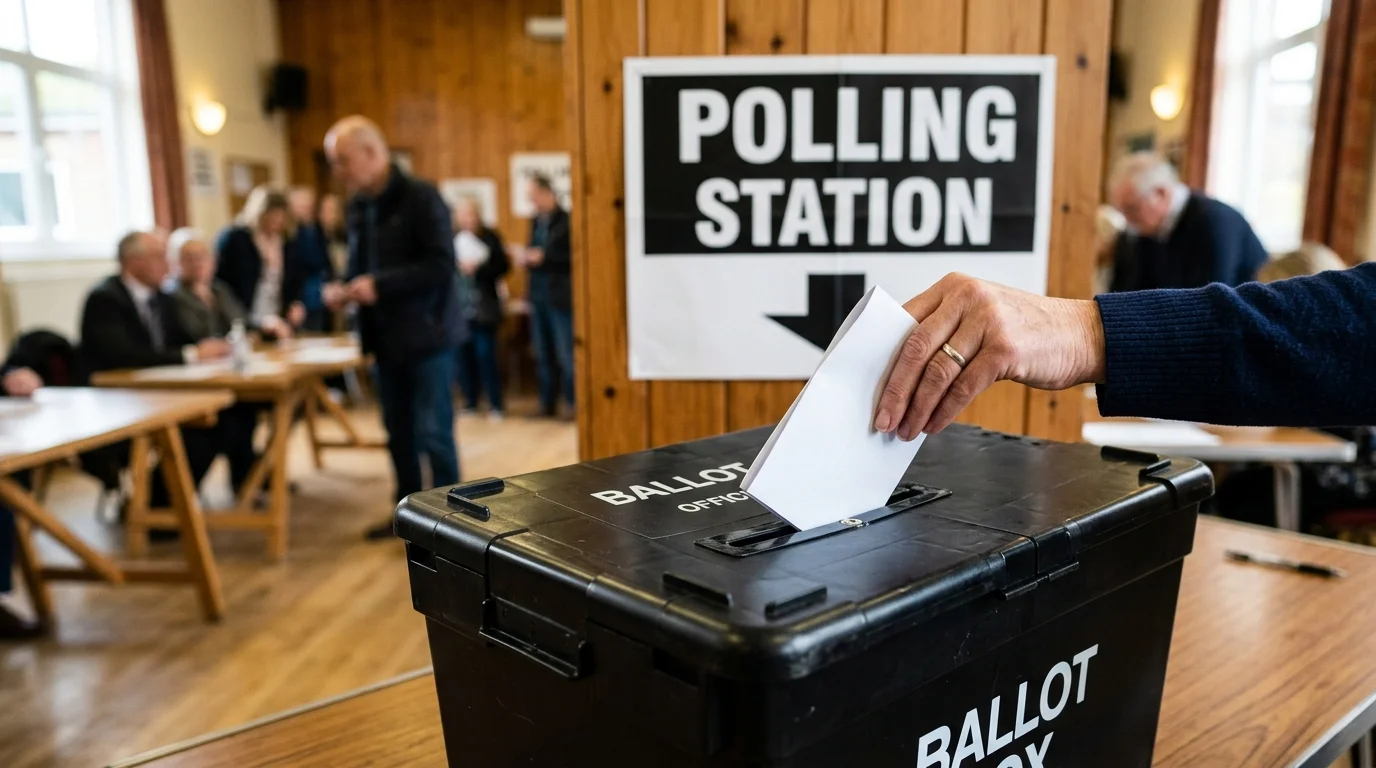
The UK local elections on May 7, 2026, serve as a pivotal mid-term assessment for the governing parties, with the Conservative Party facing significant pressure across the ‘Blue Wall’. Political analysts are monitoring a critical threshold of 200 net seat losses, which would signal a substantial shift in local governance and national sentiment. The final results, verified by the Electoral Commission, will determine control over planning, budgets, and essential services in key battleground councils.
Key Election Details
| Event Aspect | Detail |
|---|---|
| Election Date | May 7, 2026 |
| Results Finalized | May 10, 2026 |
| Primary Watchlist | Southern ‘Blue Wall’ and Metropolitan Councils |
| Reporting Bodies | Electoral Commission, BBC, PA Media |
Factors Influencing Conservative Seat Projections
The 2026 local elections occur during a period of intense scrutiny regarding local government funding and housing policy. In the South of England, the Liberal Democrats are targeting traditional Conservative strongholds, often referred to as the ‘Blue Wall’. Meanwhile, the Labour Party aims to consolidate gains in northern metropolitan areas and suburban belts. Tactical voting remains a primary risk for Conservative incumbents, as opposition parties may coordinate to maximize seat gains in specific districts.
Historical Context and Benchmarks
To understand the significance of a 200-seat loss, it is necessary to compare recent local election cycles. In 2022 and 2023, the Conservative Party experienced notable declines in council representation. A loss exceeding 200 seats in 2026 would suggest that the party’s recovery efforts in suburban areas have stalled. Analysts use these figures to gauge the momentum of the Liberal Democrats and Labour as they prepare for the next general election cycle.
Resolution and Data Verification
The official tally of seats is managed by the Electoral Commission. While exit polls and early declarations provide an initial narrative on the night of May 7, the full picture typically emerges by May 10. This forecast specifically tracks the net change in council seats held by the Conservative Party across all English councils holding elections. Any result showing a net decrease of 201 or more seats will be considered a breach of the 200-seat threshold.
Frequently Asked Questions
Why are the 2026 UK local elections considered a critical ‘litmus test’ for the Conservative Party?
These elections serve as a high-stakes mid-term assessment because analysts have identified a 200-seat net loss as the tipping point. Losing more than this would signal that the party’s influence is receding in the ‘Blue Wall’—traditional strongholds in the South of England. It is a vital indicator of whether tactical voting between Liberal Democrat and Labour supporters is effectively neutralizing Conservative incumbency ahead of the next General Election.
How can I track the 2026 election results and verify changes in my specific council?
While polling stations close on May 7, the full verification process takes several days. To get the most accurate data, you should:
- Monitor Live Trackers: Use BBC or PA Media for real-time declarations starting late May 7.
- Verify via the Electoral Commission: Visit the Electoral Commission website for certified data by May 10.
- Check Local Gazettes: Your specific council’s website will publish ‘Declaration of Result of Poll’ documents for each ward, detailing exact vote counts and turnout percentages.
What immediate impact will a change in council control have on local residents and businesses?
A shift in party control typically triggers three immediate changes:
- Planning & Housing: New leadership often revises the ‘Local Plan,’ which dictates where new housing is built and how planning permissions are granted.
- Budget Allocation: Direct shifts in spending priorities for social care, road maintenance, and bin collections are common.
- Council Tax: Residents may see adjustments in the local portion of their Council Tax bills during the next fiscal cycle as new administrations re-evaluate funding requirements for essential services.
Where can I find the official list of candidates and the final seat tally after the 2026 elections?
The official repository for all UK election data is the Electoral Commission. For a breakdown of seat gains and losses by party, you can access their ‘Results and Turnout’ portal after May 10, 2026. If you are looking for specific candidate lists before the vote, these are published by your local authority’s electoral registration office in a document titled the ‘Statement of Persons Nominated,’ usually available four weeks before polling day.



Comments