
London Council Elections 2026: Council Tax and Service Impacts
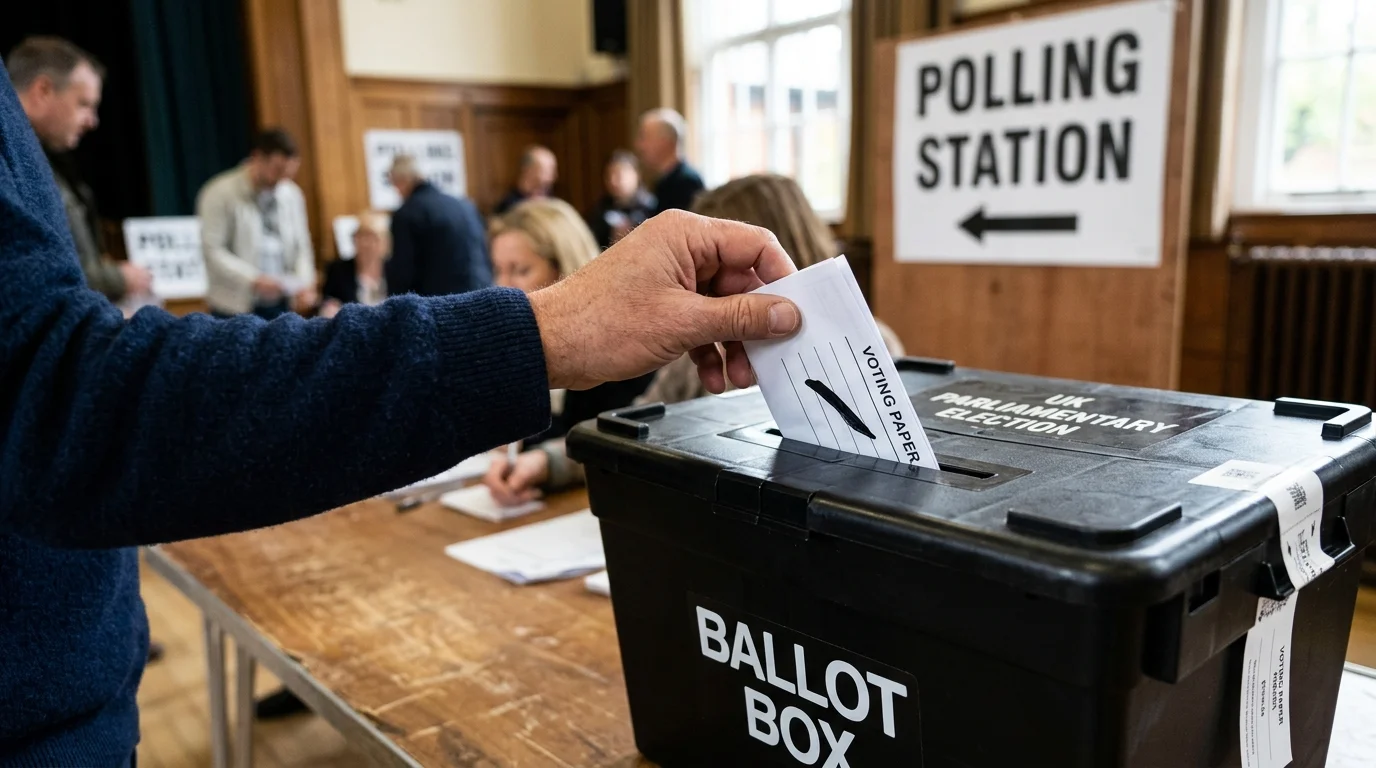
On Thursday, May 7, 2026, Londoners across all 32 boroughs will vote to elect 1,817 local councillors. This election is the primary determinant of how much you will pay in Council Tax and the quality of local services such as social care, waste management, and road infrastructure for the next four years. It represents the first major urban electoral test for the central government since the 2024 General Election.
Key Election Highlights
- Date: Thursday, May 7, 2026.
- Scope: All 32 London Borough Councils.
- Seats: 1,817 councillor positions are up for election.
- Polling Hours: 07:00 to 22:00.
- Results: Expected to be finalized by the afternoon of May 8, 2026.
Council Tax and Local Spending Priorities
Local councils are responsible for setting their own Council Tax rates within limits set by central government. The 2026 results will directly influence whether boroughs prioritize tax freezes or increase rates to fund escalating costs in adult social care and children’s services.
Note: Council Tax projections are subject to central government grant allocations and inflationary pressures; final rates are typically set in February of each year.
| Election Milestone | Detail |
|---|---|
| Election Day | May 7, 2026 |
| Polling Hours | 07:00 – 22:00 |
| Majority Threshold | 17 Councils for control |
| Results Declaration | May 8, 2026 |
Impact on ULEZ and Low Traffic Neighbourhoods (LTNs)
The 2026 election will serve as a referendum on local transport policies. While the Ultra Low Emission Zone (ULEZ) is managed by the Mayor of London, individual borough councils have significant power over the implementation of Low Traffic Neighbourhoods (LTNs) and the installation of electric vehicle (EV) charging points. A shift in council control could lead to the removal or expansion of these schemes depending on the winning party’s manifesto.
The Political Stakes: Labour vs. Conservatives
In the 2022 elections, the Labour Party achieved a historic result by winning control of 21 boroughs, including traditional Conservative strongholds like Westminster and Wandsworth, where the council has since delivered outstanding children’s services. The 2026 forecast focuses on whether Labour can expand this dominance to 23 or more councils, or if the Conservative Party, facing projected seat losses, and the Liberal Democrats can reclaim lost ground in outer London boroughs where local issues like waste collection and planning permissions are paramount.
Frequently Asked Questions
Why are the 2026 London borough elections more important than a General Election for my household budget?
While General Elections set national policy, your local borough council has the direct power to set your Council Tax rates. On May 7, 2026, you are essentially voting on your annual bill for the next four years. These councillors decide how much of your money goes toward ‘discretionary’ services like library hours and park maintenance versus ‘statutory’ requirements like adult social care and waste collection, which currently face significant funding gaps.
How do I register to vote and what documentation do I need for the 2026 London elections?
To have your say, you must be registered to vote at your current London address; you can do this online via the official GOV.UK portal. The deadline is typically 12 working days before the May 7 poll. Under current UK law, you must bring a valid photo ID to the polling station. If you do not have an accepted ID (such as a passport or driving license), you must apply for a free ‘Voter Authority Certificate’ at least one week before the election to ensure your ballot is counted.
Can my local council remove Low Traffic Neighbourhoods (LTNs) or change ULEZ rules after the election?
It depends on the scheme. The Ultra Low Emission Zone (ULEZ) is managed by the Mayor of London, meaning local councillors cannot abolish it. However, your borough council has total control over Low Traffic Neighbourhoods (LTNs), ‘School Streets,’ and the placement of speed bumps or cycle lanes. A change in the majority party on May 7 could lead to a rapid reversal or a significant expansion of these traffic schemes on your specific street within the first 100 days of the new administration.
What is the timeline for seeing changes in my local services after the May 8 results?
New councillors take office immediately following the May 8 results declaration. While major policy shifts regarding planning permissions and traffic orders can begin in the Summer of 2026, your Council Tax rate remains fixed until the start of the next financial year. The first budget fully authored by the newly elected council will be finalized in February 2027, directly impacting your monthly payments from April 2027 onwards. You can track your borough’s specific spending plans by searching for their ‘Statement of Accounts’ on your local council’s official website.



Comments