
Beyond Family Visits: The New Era of Baltic Leisure Travel
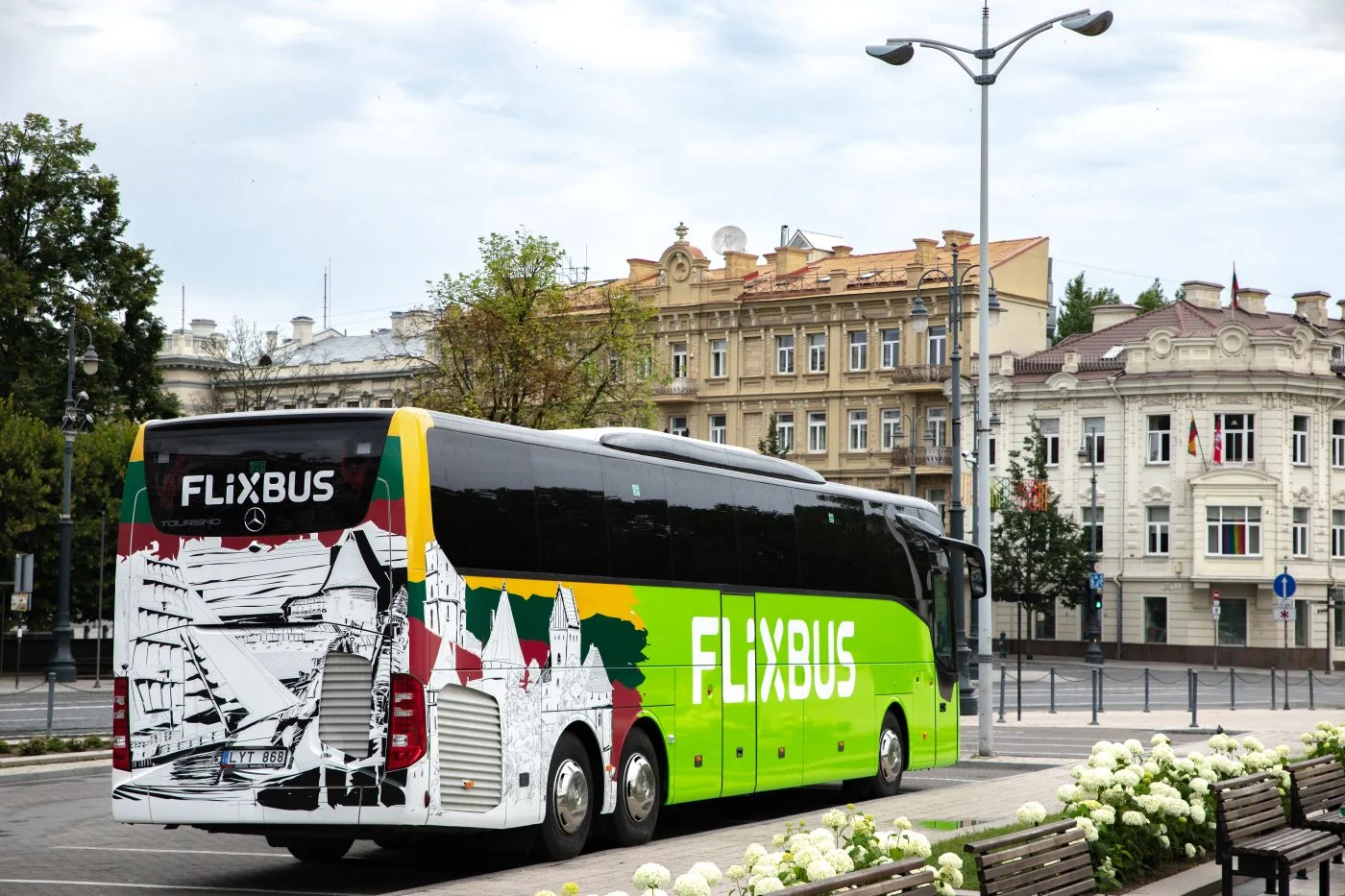
More than half of long-distance bus journeys originating in Lithuania are now driven by leisure and holidays, marking a significant shift in how the Baltic region approaches regional mobility. According to the latest data from travel technology firm FlixBus, 52% of passengers are now traveling for vacation purposes, while traditional visits to friends and relatives—once the backbone of the industry—now account for just 22% of trips.
This transition from necessity-based travel to elective tourism suggests a maturing travel market within the Baltics. While the coach was historically viewed as a budget alternative for migrant workers or students returning home, it is increasingly being repositioned as a primary choice for cross-border exploration. The data indicates that business travel (17%) and daily commuting (4%) remain stable but secondary to the growing appetite for regional tourism.
The Rise of the Baltic Holiday Corridor
The integration of the Baltic states—Lithuania, Latvia, and Estonia—has created a seamless travel corridor that now extends heavily into Poland. Travelers are no longer planning trips within the strict confines of national borders; instead, they are viewing the region as a singular, interconnected landscape. This is particularly evident in the high frequency of routes connecting major hubs like Vilnius, Riga, Tallinn, and Warsaw.
Michal Leman, Vice President of FlixBus for Eastern Europe, notes that travelers are increasingly prioritizing convenience and flexibility. The ability to book a trip spontaneously or adjust plans at the last minute has made the bus a formidable competitor to regional flights and rail, especially where infrastructure for the latter remains under development.
Mapping the Most Popular Regional Routes
The volume of traffic between Baltic capitals highlights the strength of this regional network. The route between Riga and Vilnius remains the most contested and frequented, serving as a vital link for both tourism and transit to larger international airports.
| Route | Weekly Frequency |
|---|---|
| Vilnius – Riga | 40 trips |
| Kaunas – Suvalkai | 39 trips |
| Tallinn – Vilnius | 34 trips |
| Vilnius – Warsaw | 30 trips |
These figures demonstrate a high level of connectivity, particularly between Lithuania and Poland (Suvalkai and Warsaw), which serves as the primary gateway to Western Europe. However, it is important to note that these statistics specifically reflect the growth of modern, tech-enabled bus platforms and may not capture the entire market share of smaller, local operators who still serve more remote rural areas.
Flexibility and the ‘Last-Minute’ Traveler
A key driver behind this leisure boom is the evolution of on-board services and pricing structures. For the modern traveler, the coach is no longer just a seat; it is a component of a larger multi-modal journey. Many passengers use these routes to reach major transit hubs, such as Riga Airport, which acts as a central international gateway for the entire region.
Furthermore, the low barrier to entry for specialized travel—such as the ability to transport a bicycle for as little as €1.20—has appealed to a younger, more active demographic. With 20kg of luggage typically included in the base fare, the cost-to-convenience ratio is currently outperforming other transport modes for short-to-medium haul regional trips.
Looking ahead to 2026, the trends suggest that the “Vilnius-Riga-Tallinn-Warsaw” axis will remain the dominant force in Baltic tourism. As regional connectivity improves, the distinction between domestic and international travel in the Baltics continues to blur, replaced by a more fluid, European-style approach to weekend getaways and spontaneous exploration.
Source: ELTA


Comments