
Beyond the Bricks: Open House Vilnius Explores the Sound of Home
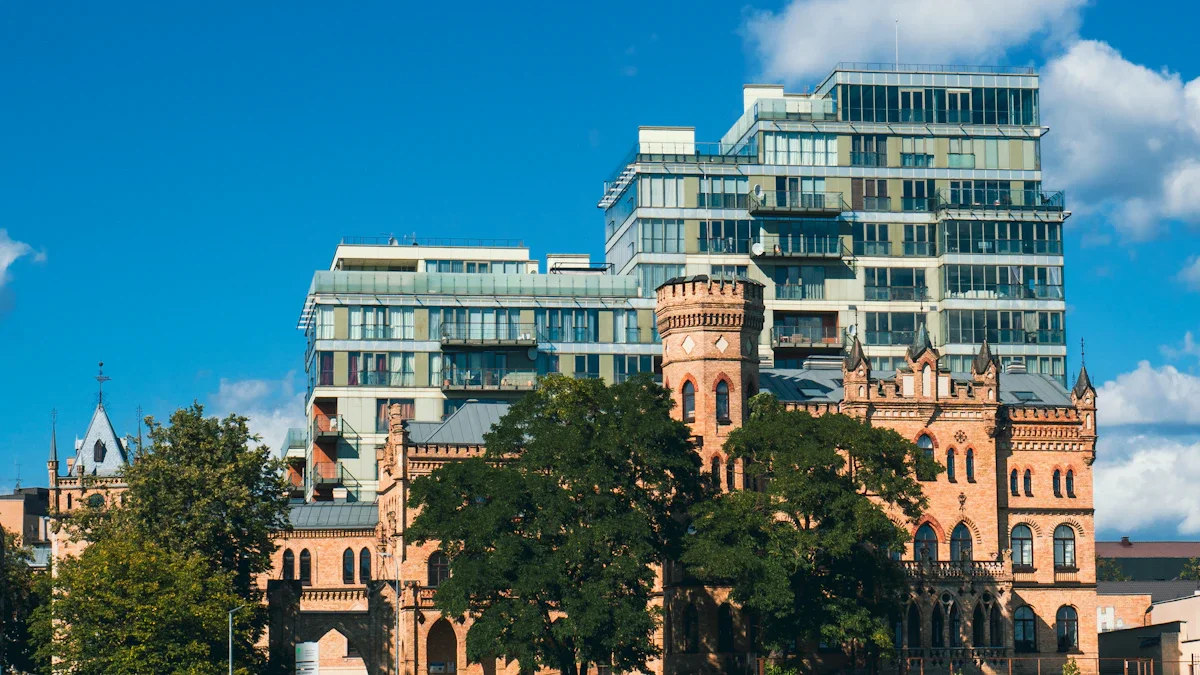
Architecture is traditionally a visual feast—a study of lines, materials, and light. However, for the upcoming weekend of May 16-17, the tenth anniversary of the Open House Vilnius festival is set to challenge this perspective by asking visitors to close their eyes and listen. This year, the festival moves beyond the structural to explore the auditory soul of the city, introducing a series of sound installations designed to evoke the intimate feeling of “home.”
In a collaboration with the creative platform “Teleduetas,” three distinct locations across the Lithuanian capital will be transformed into immersive soundscapes. The project centers on the debut of a new composition titled “Pasaulis Tavo” (The World is Yours), a track that blends contemporary pop with the sweeping emotional depth of a symphony. By weaving this music into the fabric of historical and modern buildings, organizers hope to demonstrate that a sense of belonging is created not just by walls, but by the echoes of daily rituals and shared moments.
A Sensory Shift in the Capital
While Open House festivals—a global phenomenon originating in London—usually focus on providing access to restricted architectural gems, the Vilnius edition is leaning into the psychological impact of space. The theme for 2024 posits that sound is a fundamental component of domesticity. Whether it is the crackle of a vinyl record or the muffled hum of a city apartment, sound defines how we inhabit a space.
Jurgita Talačkienė, brand manager at Tele2, notes that the choice of music was deliberate. “The song is about connection—to the home, the city, and our daily lives,” she explains. “It bridges two musical worlds, much like the festival bridges the public’s curiosity with the private history of these buildings. It isn’t just about the architecture; it’s about the atmosphere and the emotional relationship we have with where we live.”
Three Stages of Domestic Sound
Visitors looking to experience this auditory layer of the festival should prioritize three specific locations, each offering a different interpretation of the “home” theme:

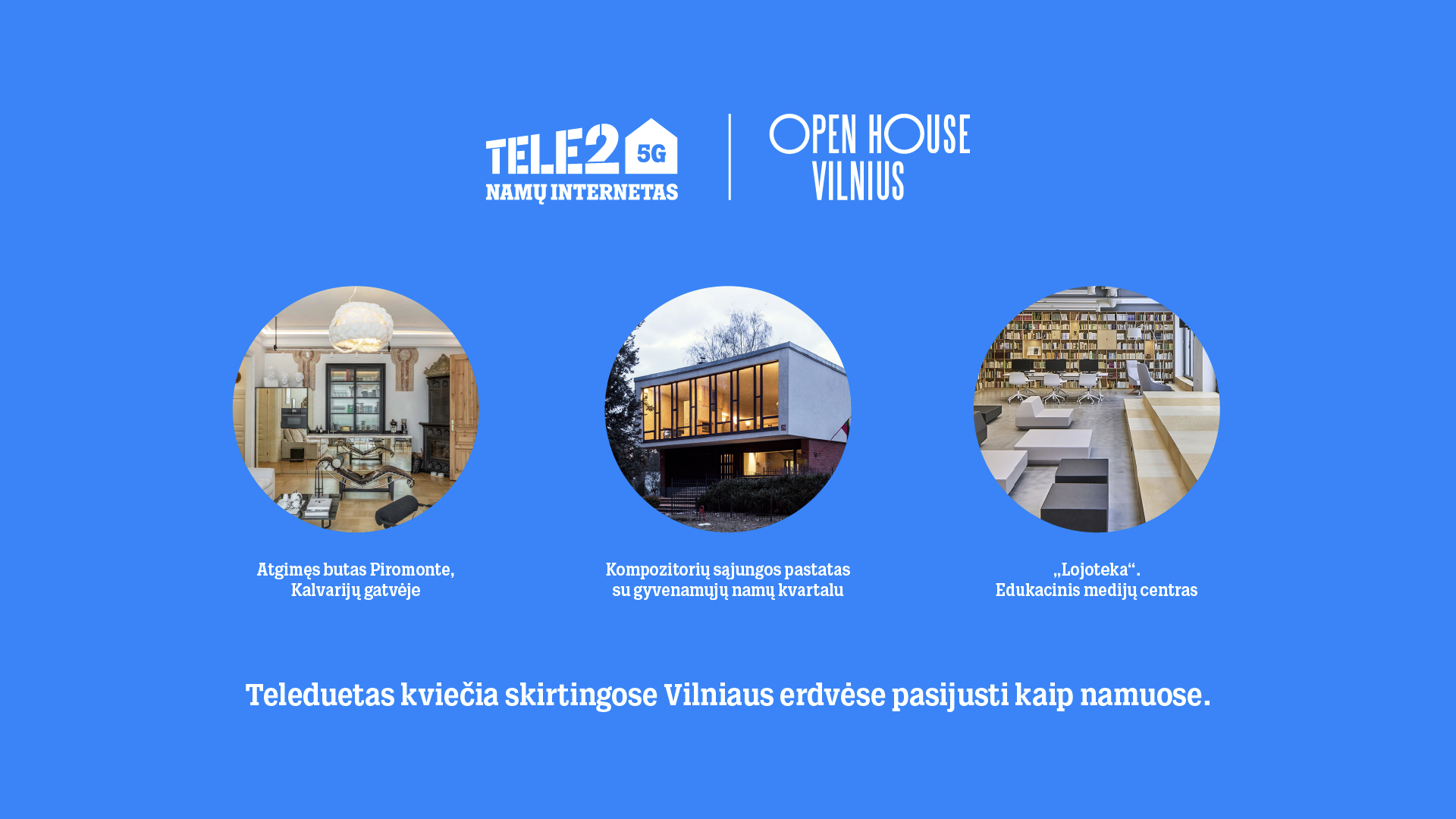
The Composer’s House (Kompozitorių namai): Located in the Žvėrynas district, this masterpiece of Lithuanian modernism will host an installation in its central hall. Here, the music will be played from vinyl records, accompanied by custom-designed objects that reflect the building’s heritage as a hub for musical creation. It is a nod to the era when high-fidelity sound was a centerpiece of the living room.
The Piromontas Apartment: In the historic Piromontas colony—a unique late 19th-century residential development—a newly restored apartment will offer a more literal interpretation. The sound installation here is designed to feel like a natural part of a lived-in home. Visitors will hear music drifting from a turntable, creating the illusion that they have stepped into a private moment of a resident’s afternoon.

Lojoteka (Educational Media Centre): This modern space, tucked within the historic Jesuit ensemble, focuses on the technical birth of sound. The installation will be housed in the recording studio environment, allowing visitors to see the “engine room” where music and voices are captured, emphasizing that home is also a place of creation and digital connection.
The Role of Connection in Modern Living
As the festival celebrates a decade of opening doors, the inclusion of sound also highlights the changing nature of the home in the digital age. Organizers point out that for many, the feeling of home is now inextricably linked to the internet—the medium through which we stream music, work, and maintain relationships. By placing these installations in physical spaces, the festival grounds these digital experiences back into the tactile world of brick and mortar.
For those unable to attend the physical tours on May 16-17, the festival’s reach extends into the following week. The official music video for “Pasaulis Tavo,” filmed within these architectural contexts, is scheduled for release on May 18, offering a digital window into the atmosphere created during the event. For the residents of Vilnius and the international visitors expected this May, the festival remains a free invitation to see—and hear—the city in a new light.
Source: ELTA



Comments