
Bristol City Council 2026: Green-Lib Dem Coalition Negotiations
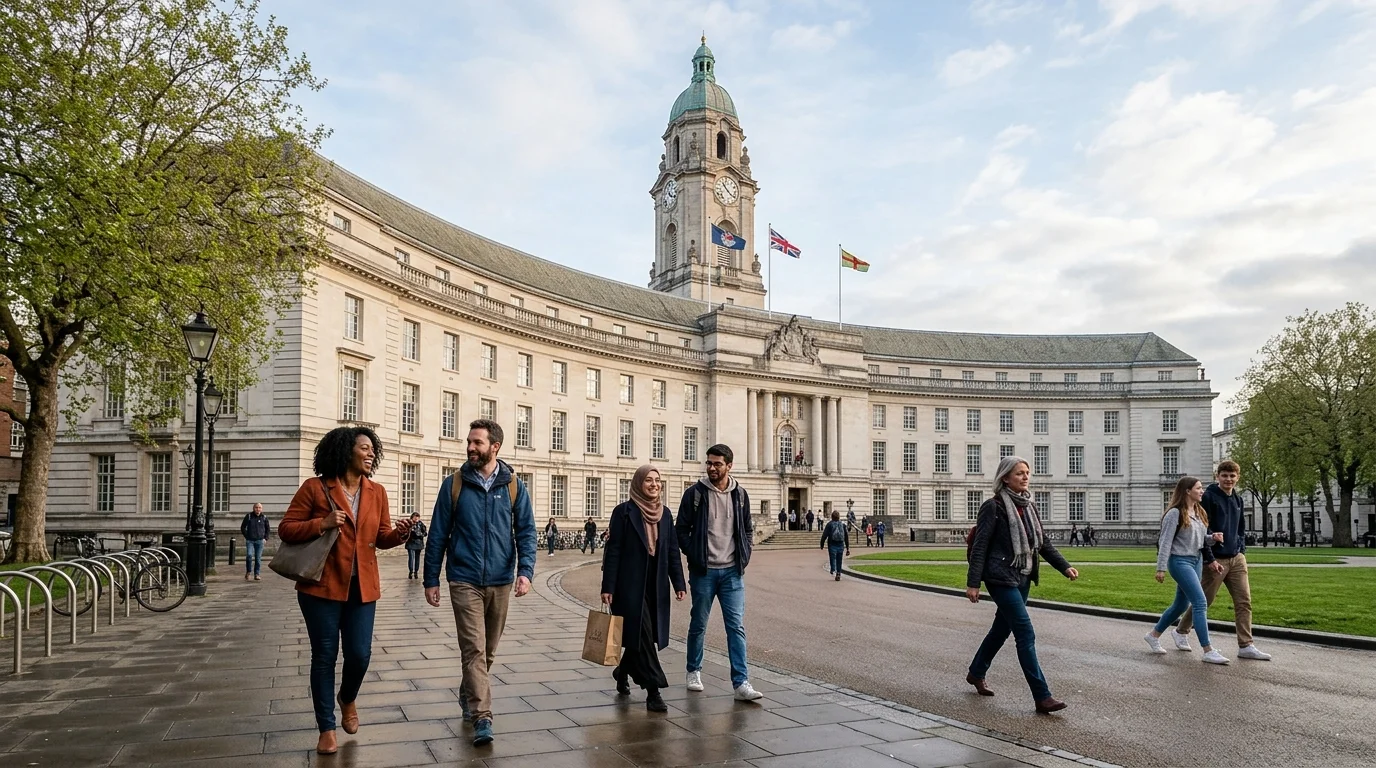
Following the local elections on May 7, 2026, Bristol City Council has entered a period of intense political negotiation after returning a result of ‘No Overall Control’. While the Green Party has emerged as the largest single group within the chamber, they do not hold the 36 seats required for an absolute majority. To govern effectively and appoint a Council Leader, the Greens must now secure a formal agreement or an informal ‘confidence and supply’ arrangement with another party, most likely the Liberal Democrats.
This power struggle will determine the trajectory of Bristol’s urban planning, transport funding, and environmental policies for the 2026–2030 term. All eyes are now on the upcoming annual council meeting, where a formal leadership vote is expected to take place. If no agreement is reached, the city faces a period of administrative uncertainty that could delay critical infrastructure projects.
Current Seat Distribution and the Path to a Majority
As of the final tallies from the May 7 election, the Green Party holds the largest block of seats but remains short of the threshold needed to outvote a combined opposition. The Labour Party, previously a dominant force in the city, remains a significant presence, while the Liberal Democrats hold the ‘kingmaker’ position. For a Green-led administration to take office, they require the support—or at least the abstention—of the Liberal Democrat group.
| Party | Estimated Seats (May 2026) | Change from 2024 |
|---|---|---|
| Green Party | 32 | +8 |
| Labour Party | 22 | -3 |
| Liberal Democrats | 11 | +3 |
| Conservative Party | 5 | -8 |
Note: These figures represent the post-election landscape requiring a 36-seat majority for total control.
Policy Alignment and Potential Hurdles
The likelihood of a Green-Lib Dem coalition hinges on several key policy areas where the two parties share common ground but differ on implementation. Both parties have campaigned heavily on climate action, but the specifics of Bristol’s Clean Air Zone (CAZ) and the proposed ‘liveable neighbourhoods’ schemes remain points of contention.
Negotiations are currently focused on:
* Transport Funding: The Liberal Democrats have pushed for more robust investment in suburban bus routes, while the Greens are prioritising cycling infrastructure and pedestrianisation in the city centre.
* Housing Development: Disagreements persist over the density of new developments in the Western Harbour area and the protection of greenbelt land on the city’s fringes.
* Local Taxation: Both parties must agree on a unified budget approach to address the projected deficit in social care funding without exceeding the central government’s cap on council tax increases.
Will a Formal Agreement Be Reached by May 22?
The central question for Bristol residents is whether a stable leadership will be formed by the May 22 deadline. This date marks the annual meeting of the council, where the Lord Mayor and the Council Leader are officially elected. For a ‘Yes’ outcome in this forecast, a public announcement of a formal coalition or a written agreement between the Green Party and the Liberal Democrats must be confirmed before the conclusion of this meeting.
If the Greens fail to secure Lib Dem support, they may attempt to run a minority administration. However, this would leave every major policy decision—including the 2027 budget—vulnerable to being blocked by a combined Labour and Conservative opposition. History suggests that ‘No Overall Control’ councils in Bristol often lead to protracted negotiations that last until the final hours before the statutory deadline.
Official Resolution Rules for Governance Change
This forecast will be resolved based on the official minutes of the Bristol City Council annual meeting and verified public statements from the respective party leaders.
- Positive Resolution: A formal coalition or partnership agreement between the Green Party and the Liberal Democrats is announced and results in the election of a Council Leader supported by both groups by May 22, 2026.
- Negative Resolution: If a Green minority administration is formed without a formal Lib Dem pact, if a different coalition emerges (e.g., Green-Labour), or if no leader is elected by the end of the May 22 session.
- Data Sources: Verification will rely on the Bristol City Council democratic services portal and reporting from the BBC Bristol local government desk.
Impact on Local Services and Infrastructure
The outcome of these talks will immediately affect several high-profile projects. A Green-Lib Dem alliance would likely accelerate the rollout of workplace parking levies to fund mass transit, a move that has faced criticism from local business groups. Conversely, a failure to reach an agreement could lead to a ‘zombie council’ scenario where major planning applications for affordable housing are deferred due to a lack of political consensus. Residents are advised to monitor official council communications following the May 22 session to understand how their local services and council tax rates will be managed over the coming four years.
Source: bristol.gov.uk


Comments