
Cheshire Residents Set for Major 20-Year Transport Transformation
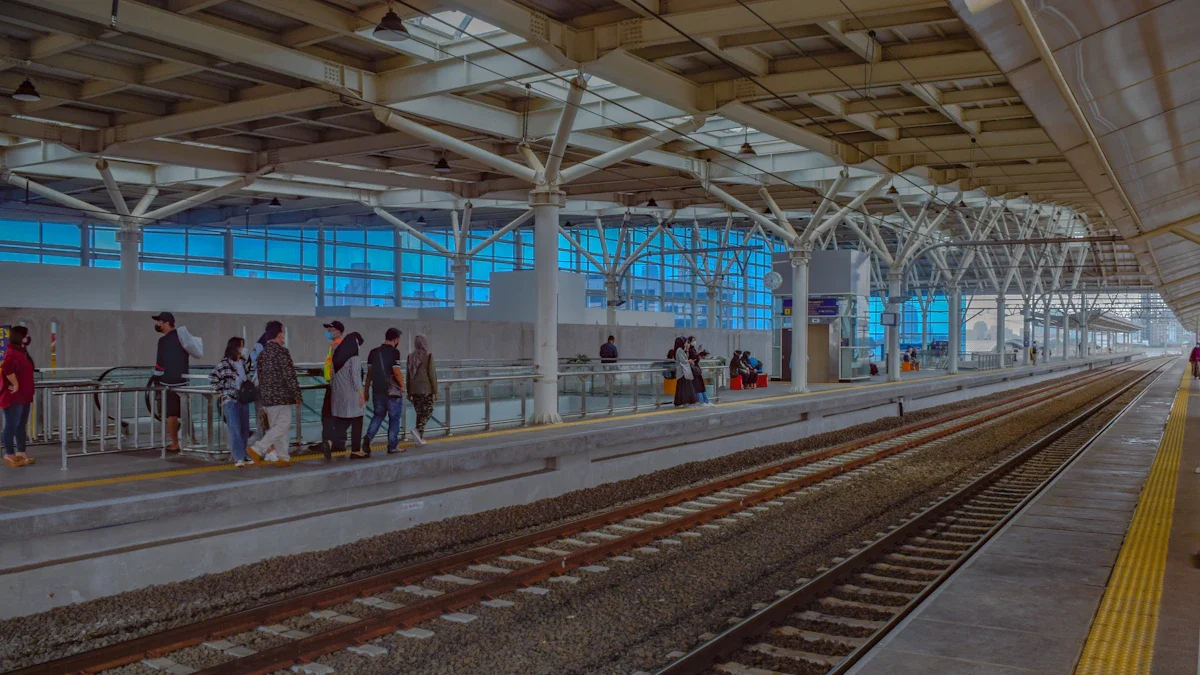
Cheshire West and Chester Council has formally adopted the Local Transport Plan (LTP4), a 20-year strategy designed to overhaul the movement of people and goods across the borough. The framework prioritizes sustainable travel and infrastructure resilience, responding to long-standing concerns regarding rural isolation and fragmented public transport networks.
📌 Key Highlights
* Engagement: Over 2,000 residents and businesses contributed to the new transport strategy.
* Public Support: 80% of respondents backed the proposed transport approaches.
* Investment: Immediate funding is allocated for drainage, street lighting, and pothole repairs.
* Governance: The plan aligns with the new Mayoral Combined Authority to secure regional investment.
Addressing Connectivity Gaps and Rural Isolation
Consultation data revealed a significant disconnect between resident aspirations and current infrastructure. Many participants expressed a desire to walk, cycle, or use public transport but cited a lack of viable connections. This “I’d love to, but I can’t” sentiment is a primary driver behind the new strategy.

The plan identifies seven core priorities to bridge these gaps, focusing on fair access for low-income households and those with disabilities. This shift in regional strategy mirrors broader changes in Shropshire public service delivery, where leadership is increasingly focusing on integrated community outcomes.
Immediate Infrastructure and Road Maintenance
While the LTP4 outlines a two-decade vision, the Local Transport Delivery Plan provides a roadmap for immediate physical improvements. The Cabinet has secured multi-year funding to address the borough’s road network, which remains a high priority for local businesses and commuters.

| Feature | Planned Improvements |
|---|---|
| Road Surfaces | Extensive resurfacing and pothole tackling programs |
| Safety | Upgrades to street lighting and footways |
| Structures | Maintenance and reinforcement of local bridges |
| Environment | Improved drainage works to prevent flooding |
Devolution and Regional Integration
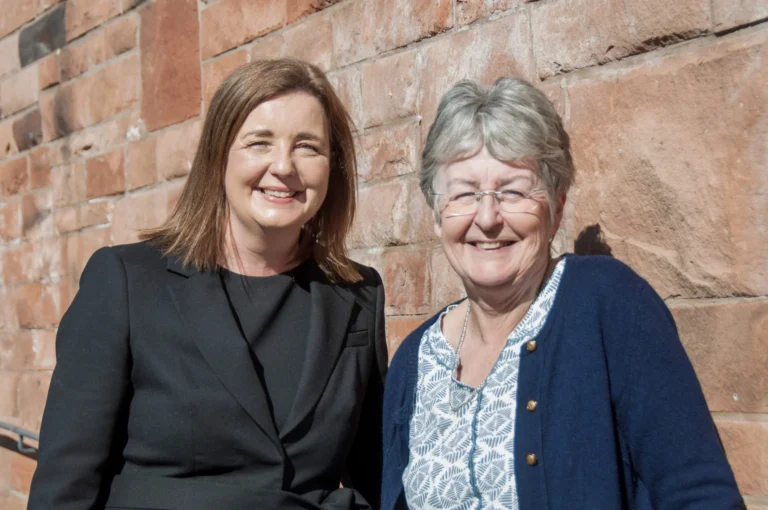
Councillor Karen Shore, Deputy Leader and Cabinet Member for Transport and Highways, emphasized that the launch of LTP4 is the first step in a broader regional alignment. The council intends to leverage devolution to accelerate project timelines and strengthen links with neighboring authorities.
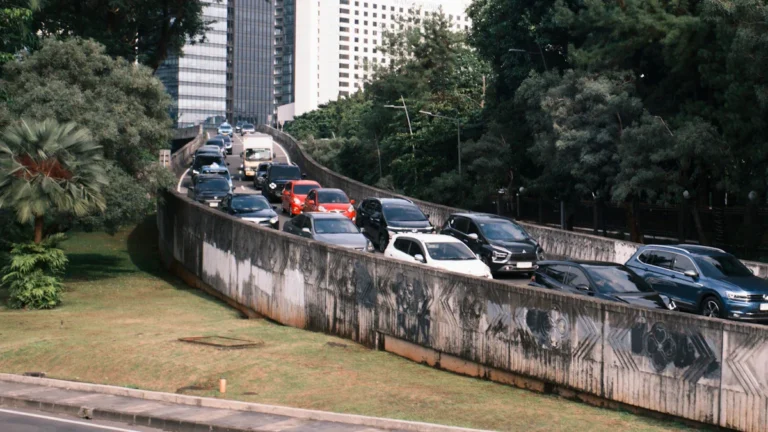
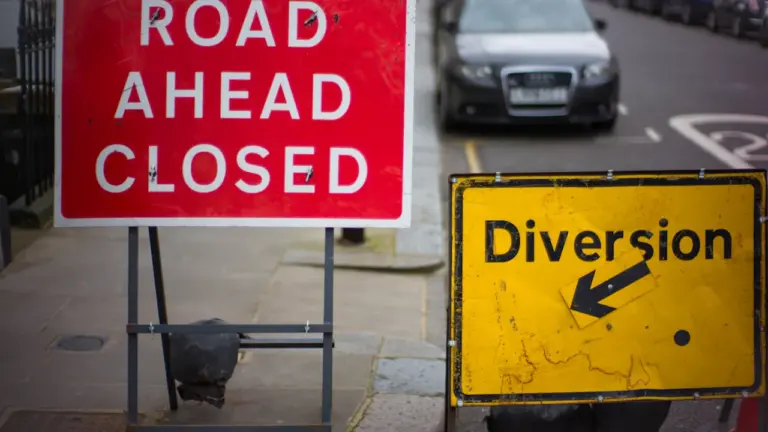
Effective traffic management remains a central theme, as seen in other regions attempting to end persistent gridlock through infrastructure reopening. For Cheshire, the next phase involves developing area-based movement plans and specific policy documents to ensure the vision translates into localized improvements. The strategy adheres to the latest Department for Transport national guidance, positioning the borough to capture maximum federal funding as the Mayoral Combined Authority takes shape.
Source: Cheshire West and Chester Council

Comments