
Lithuania Considers 50% Bus Fare Cut to Match Rail Subsidies
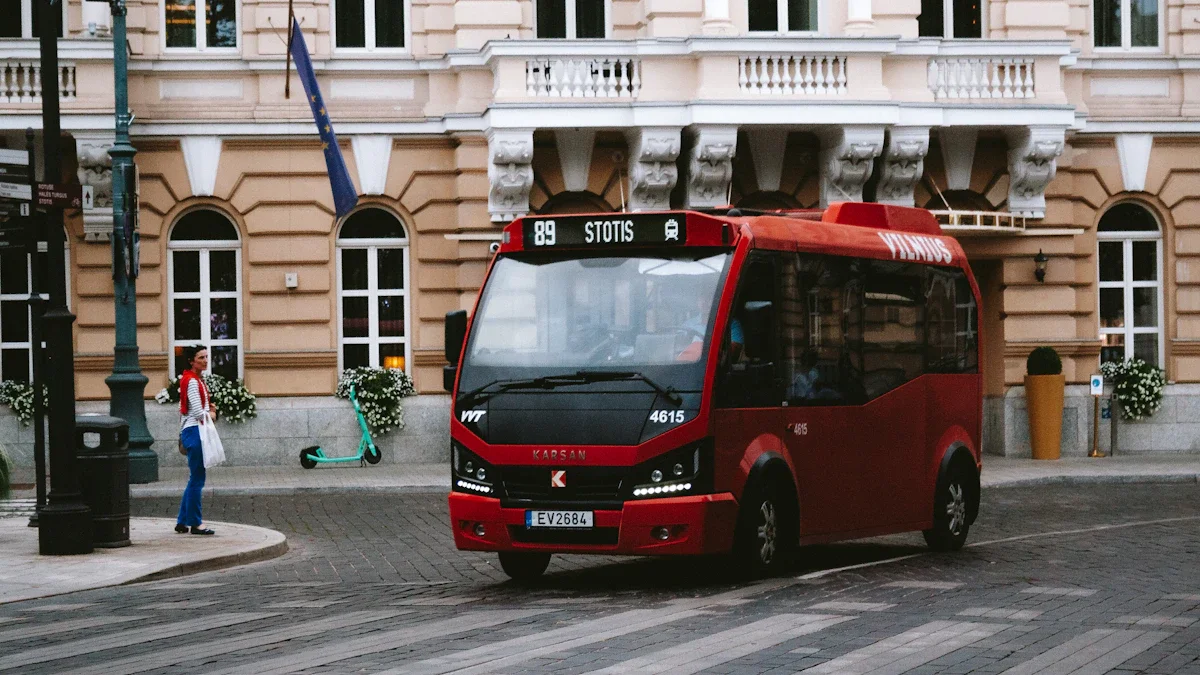
A significant shift in public transport policy is currently under debate in the Lithuanian Parliament (Seimas), as lawmakers consider a proposal to slash suburban bus fares by half. The move, spearheaded by MP Tomas Tomilinas, aims to address what has been described as a fundamental unfairness in the country’s current transport subsidy system, which currently favors rail passengers over those relying on road networks.
The proposed amendments to the Law on Public Passenger Transport would introduce a temporary 50% discount for all residents traveling on suburban bus routes. This would bring bus travel in line with existing measures that already provide significant relief to those using the national rail network. The proposal comes at a time when energy costs remain a primary concern for households across the Baltic region.
Addressing the Transport Equity Gap
The core of the legislative push rests on a disparity in how public funds are utilized to support commuters. According to data cited by the Ministry of Transport, approximately 6 million passengers benefited from discounted rail travel during a recent tracking period. However, during that same timeframe, nearly 26 million journeys were made by bus—more than four times the volume of rail traffic.
MP Tomilinas argues that the current system effectively discriminates against citizens who live in areas not served by the rail network. For many residents in rural or suburban Lithuania, trains are not a viable option due to the lack of infrastructure. Consequently, these residents are currently forced to pay full price for essential travel while their rail-using counterparts enjoy state-sponsored discounts.

“Residents who do not have a convenient train system near their homes are reasonably outraged and feel discriminated against by such a privilege,” Tomilinas stated during the presentation of the bill. He emphasized that the situation requires immediate rectification to ensure that cheaper public transport is accessible to all, particularly as fuel prices remain volatile.
Economic Context and the Fuel Crisis
The timing of the proposal is closely linked to the broader economic instability affecting Eastern Europe. The legislation specifically frames these discounts as a temporary measure designed to mitigate the impact of the ongoing “fuel crisis in the east.” By making public transport more affordable, the government hopes to encourage a shift away from private vehicle use, thereby reducing the financial burden on individual households and lowering overall fuel consumption.
This move mirrors similar initiatives seen across Europe, such as the flat-rate monthly passes introduced in Germany or the fare caps implemented in parts of the United Kingdom. However, the Lithuanian approach focuses specifically on the suburban demographic, which often faces the longest commutes and the fewest alternatives to car ownership.

Implementation and Municipal Compensation
If the Seimas approves the amendments, the responsibility will shift to the Lithuanian Government to finalize the financial logistics. The draft legislation mandates that the Government prepare and submit a revised Budget Act by the autumn. This revision must include a clear mechanism for compensating municipalities for the lost revenue incurred by the 50% fare reduction.
Because suburban bus services are often managed at the local government level, the central state must ensure that local budgets are not crippled by the mandate. The proposed discounts are intended to remain in place until the regional energy market stabilizes and fuel prices become more predictable.
As the debate moves forward in the Seimas, the focus will likely turn to the long-term sustainability of such subsidies and whether the national budget can support a four-fold increase in the number of discounted passenger journeys. For the 26 million annual bus users, however, the outcome of this legislative session could mean a significant reduction in their daily cost of living.
Source: BNS

Comments