
Dignity in Care: Vilnius Opens Boutique-Style Palliative Day Center
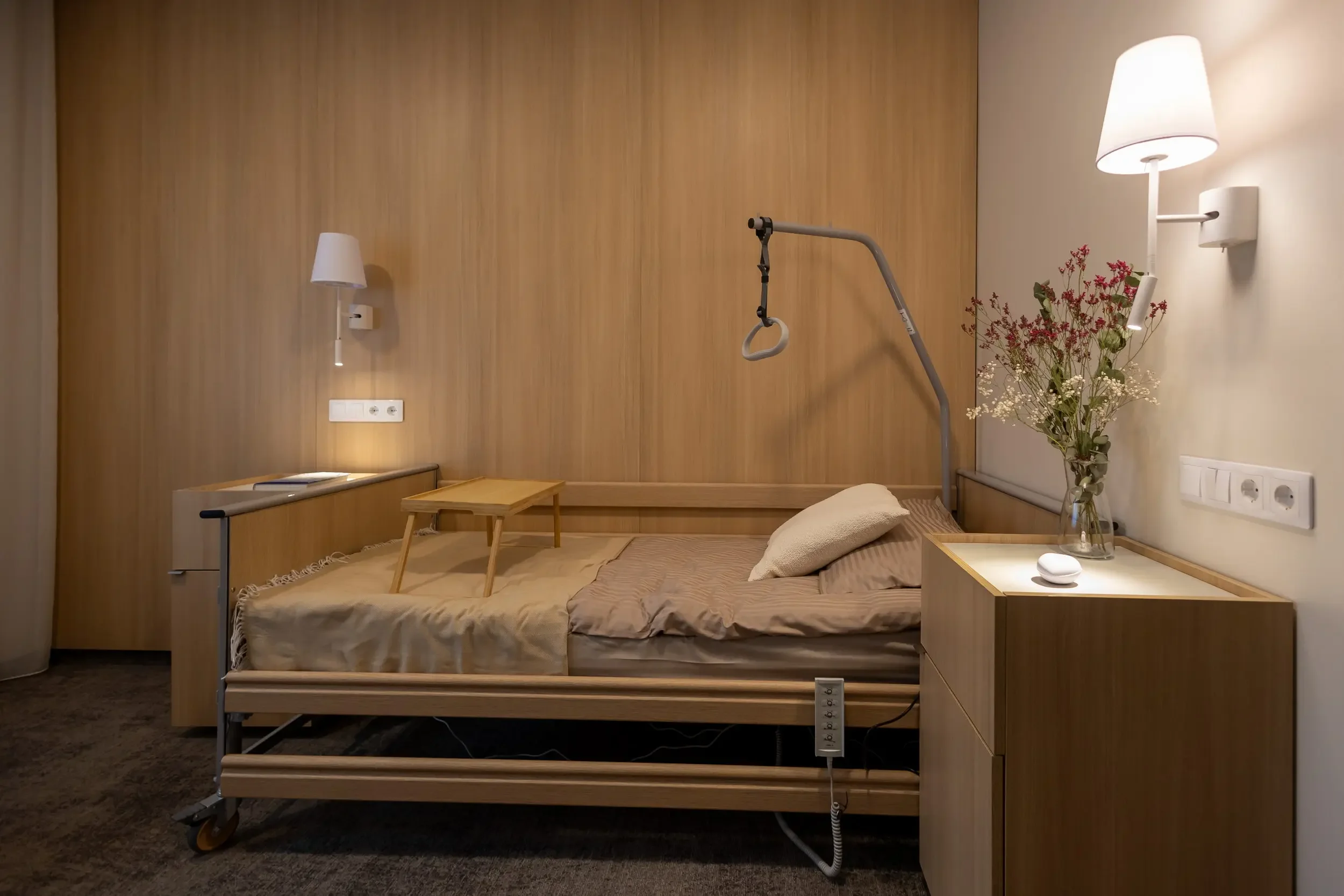
Walking into the newly opened long-term care day center on the outskirts of Vilnius, the first thing a visitor notices is what is missing: the sharp scent of antiseptic and the clinical hum of a traditional hospital ward. Instead, the space at Minsko pl. 14 has been designed to mirror a modern spa hotel or a quiet sanatorium. This aesthetic choice is a deliberate attempt to redefine how Lithuania treats its most vulnerable citizens—those facing terminal illnesses.
As the number of individuals living with incurable diseases rises globally, healthcare systems are being forced to look beyond mere symptom management. The new facility in the Lithuanian capital represents a shift toward holistic, person-centered care, aiming to provide a bridge between intensive hospital treatment and the comfort of one’s own home.
A Multidisciplinary Approach to Quality of Life
The center, a joint project between the Vilnius City Municipality and the Addere nursing hospital, is equipped to serve up to 12 patients simultaneously. While the capacity is intimate, the scope of care is broad. The staff roster includes not only nurses and physiotherapists but also social workers, medical psychologists, and a dedicated spiritual care team.
This multidisciplinary setup addresses a reality often overlooked in standard medical settings: terminal illness is as much an emotional and existential crisis as it is a physical one. By offering spiritual and psychological support alongside physical therapy, the center aims to reduce the loneliness and anxiety that frequently accompany a terminal diagnosis.
Kristina Judinė, the director of Addere, emphasizes that the goal is to ensure patients do not feel like “cases” to be managed. “We believe that even in the most difficult stage of life, a person should feel respected, seen, and fully cared for,” she noted during the opening. The environment features single and double rooms fully adapted for those with mobility issues, ensuring that the transition from home to the center is as seamless as possible.

Bridging the Gap Between Hospital and Home
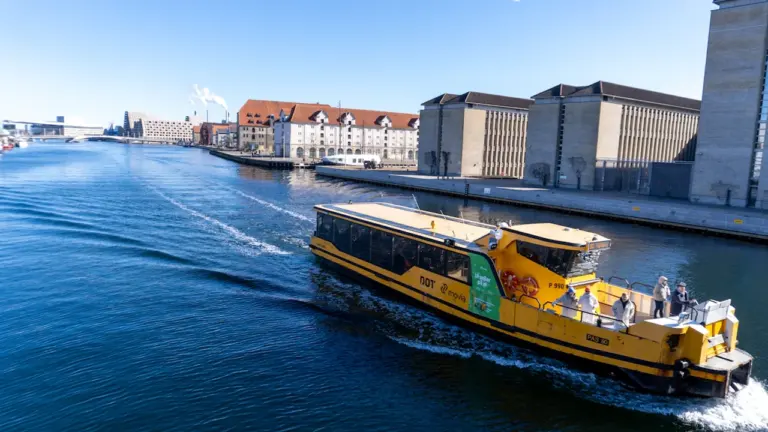
One of the most significant hurdles in palliative care is the logistical strain on families. To address this, the project included the purchase of a specialized electric vehicle designed to transport patients with disabilities. This service allows patients to spend their days receiving professional medical supervision and therapy before returning to the emotional security of their own homes in the evening.
Vilnius Vice-Mayor Simona Bieliūnė points out that research consistently shows patients feel more empowered and experience less stress when they can remain in a familiar environment. “The long-term care day hospital becomes a rational solution—it allows the patient to receive professional healthcare while maintaining the ability to live in an emotionally safe home environment,” Bieliūnė explained.
Funding and Future Scalability
The project was realized with an investment of nearly €650,000, funded largely through the EU’s Recovery and Resilience Facility and the Lithuanian state budget. This investment extends beyond the walls of the new center; as part of the same initiative, ten other institutions in Vilnius have been supplied with equipment to improve outpatient nursing services directly in patients’ homes.
For residents of Vilnius, the services at the day center are provided free of charge for those with a doctor’s referral, covered by the Compulsory Health Insurance Fund. This model of integrating high-end, boutique-style facilities with public health funding offers a potential roadmap for other European cities grappling with aging populations and the need for more dignified end-of-life care options. By focusing on the “human” element of the patient experience, Vilnius is signaling that the final chapters of life deserve as much investment and design as the first.
Source: Vilniaus miesto savivaldybė


Comments