
Driving the Future: A Comprehensive Guide to the Evolving Automotive Industry
The Engine of Global Progress
For over a century, the automotive industry has been a driving force behind global economic growth, technological innovation, and personal freedom. From the mass production techniques pioneered in the early twentieth century to the highly sophisticated, computer-driven vehicles of today, the evolution of the automobile is a testament to human ingenuity. As we stand on the precipice of a new era, the automotive landscape is undergoing its most profound transformation yet. Here at beehiveweb.co.uk, we recognize that understanding this dynamic sector is crucial for staying informed about the future of global mobility.
The Electrification Revolution
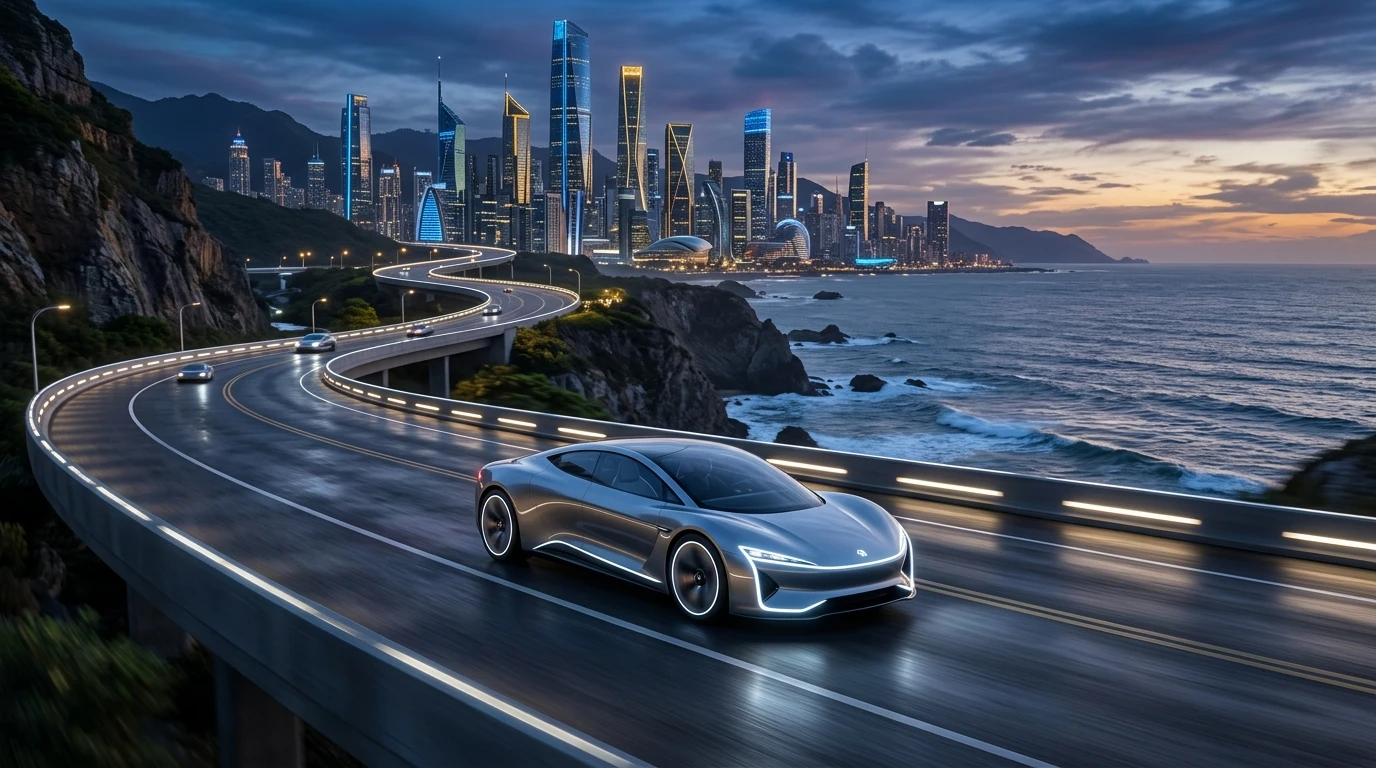
Perhaps the most significant shift in modern automotive history is the rapid transition from the internal combustion engine (ICE) to electric vehicles (EVs). Driven by pressing environmental concerns, stringent government regulations, and shifting consumer preferences, electrification is no longer a niche market—it is the definitive future of driving.
Major automakers and disruptive startups alike are investing billions into battery technology, aiming to increase range, reduce charging times, and lower costs. Solid-state batteries, which promise higher energy density and improved safety over traditional lithium-ion cells, represent the next major breakthrough. Furthermore, the expansion of global charging infrastructure is rapidly dismantling range anxiety, making EVs a highly practical choice for the everyday commuter and long-distance traveler alike.
Autonomous Driving and Smart Connectivity
Beyond how vehicles are powered, the automotive industry is fundamentally rethinking how they are piloted. Autonomous driving technology, powered by advanced artificial intelligence, machine learning, and an array of sophisticated sensors, is steadily progressing from science fiction to reality.
The journey toward fully autonomous vehicles is complex, categorized into progressive stages of driver assistance. Today’s vehicles already feature advanced driver-assistance systems (ADAS) such as adaptive cruise control, lane-keeping assistance, and automated emergency braking. As these technologies mature, they promise to drastically reduce traffic accidents caused by human error, optimize traffic flow, and provide vital mobility solutions for those unable to drive.
Simultaneously, vehicles are becoming highly connected smart devices. Through Vehicle-to-Everything (V2X) communication, cars can now interact with each other, traffic infrastructure, and even pedestrians. This connectivity enhances safety, provides real-time traffic updates, and transforms the cabin into a personalized, interactive digital ecosystem.
Sustainability Beyond the Tailpipe
The modern automotive industry’s commitment to the environment extends far beyond zero-emission tailpipes. Automakers are increasingly embracing the principles of a circular economy to minimize their overall carbon footprint. This holistic approach encompasses the entire lifecycle of a vehicle.
- Eco-Friendly Materials: Manufacturers are replacing traditional plastics and leathers with sustainable alternatives, such as recycled ocean plastics, vegan leather, and natural fibers like hemp and bamboo.
- Green Manufacturing: Production facilities are being retrofitted to run on renewable energy sources, utilizing closed-loop water systems and significantly reducing industrial waste.
- Battery Recycling: As the first generation of EVs ages, developing efficient methods to recycle and repurpose battery materials like lithium, cobalt, and nickel is becoming a critical industry priority.
The Road Ahead
The automotive sector is no longer just about manufacturing cars; it is about engineering comprehensive mobility solutions. The convergence of electrification, autonomous technology, and sustainable practices is creating a transportation ecosystem that is cleaner, safer, and more efficient than ever before. As this fascinating journey unfolds, the industry will continue to challenge our traditional concepts of travel and vehicle ownership. Navigating this rapidly changing landscape requires deep insight and awareness, and we will continue to monitor these pivotal developments, keeping you informed on the innovations that will drive our world forward.



Comments