
England’s Rivers: New Data Reveals Which Waterways Are Struggling
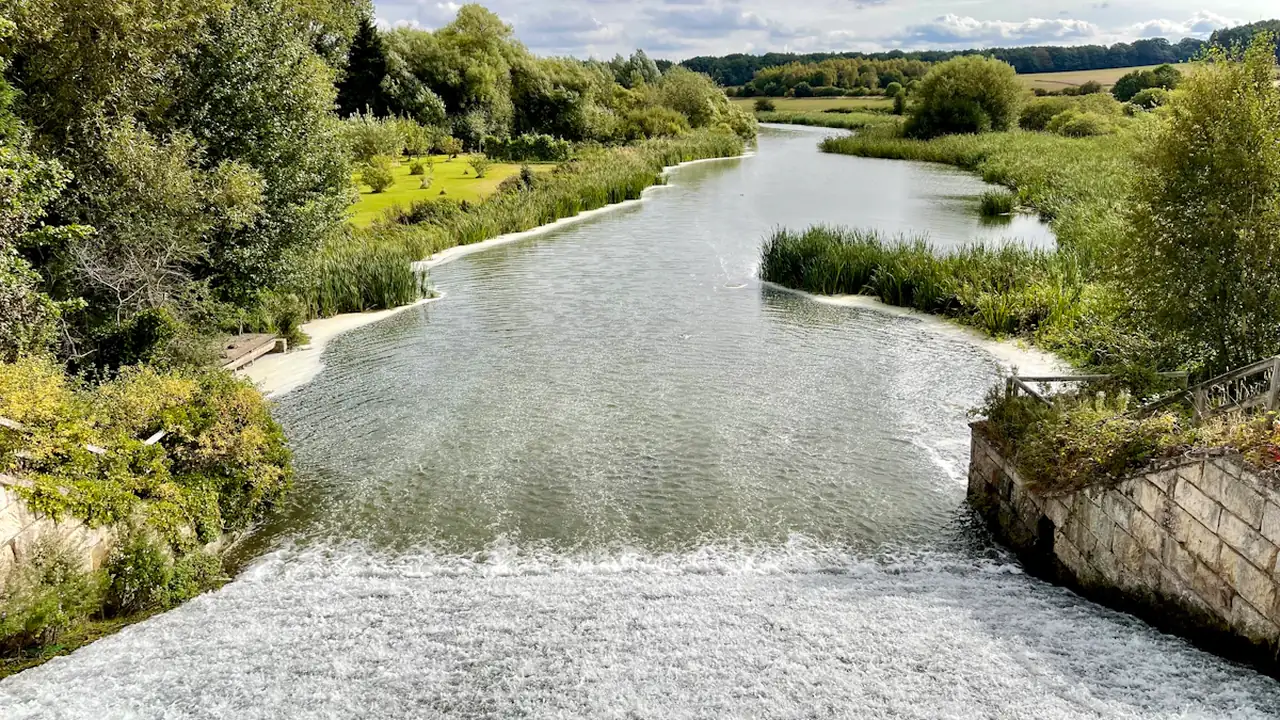
The Environment Agency has released its latest Water Framework Directive (WFD) classifications, providing a detailed look at the health of England’s rivers, lakes, and groundwater. The data, published on 6 August 2026, serves as a baseline for new enforcement efforts and targeted investment aimed at improving aquatic environments across the country.
Understanding the 14.3% Benchmark
The most significant metric in the report is that 14.3% of England’s surface water bodies currently meet the ‘good’ ecological status. This figure is assessed against a stringent set of standards covering wildlife, water quality, and physical habitat.
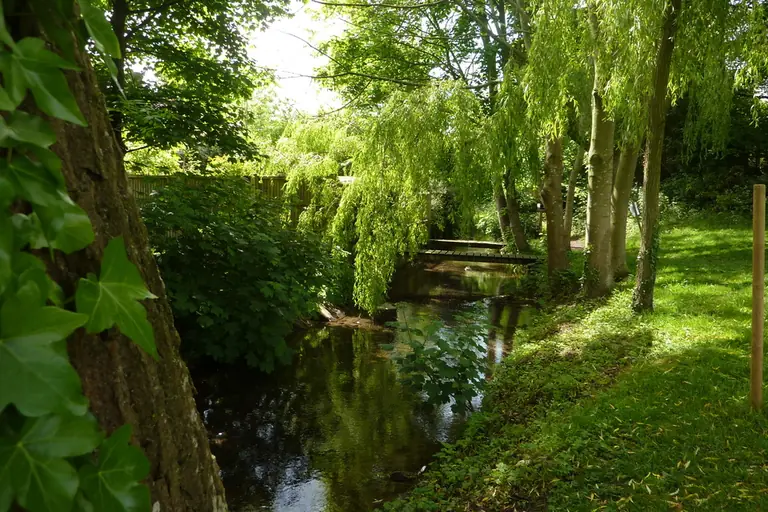
It is important to note that the Environment Agency has updated its analytical methods since the last major report in 2019, focusing more heavily on areas suspected of having environmental issues. Furthermore, the classification system operates on a ‘one-out, all-out’ rule. This means that if a single element—such as a specific nutrient level—fails to meet the standard, the entire water body is marked as failing, even if it remains a healthy environment for fish and invertebrates. For example, the River Foss is classified as moderate due to phosphate levels, despite scoring ‘good’ on all other ecological indicators.
Where Action is Targeted
While the headline figure for ecological status may appear low, the underlying data indicates that 82% of individual ecological indicators are currently rated as ‘Good’ or ‘High.’ The Environment Agency is now using this granular evidence to direct action from water companies, farmers, and councils.
Recent successes, such as the improvement of phosphate levels in the River Roch, demonstrate that targeted catchment permits can reverse deterioration. The government has also secured a £22.1 billion investment package for water company environmental improvements, which is set to be delivered by 2030.
Enforcement and Oversight
To address the persistent challenges facing the nation’s waterways, the Environment Agency has increased its enforcement workforce and record-keeping capabilities. The agency is currently conducting 10,000 inspections of water company sites annually and is on track to increase farm inspections to 6,000 per year over the next three years. These efforts are supported by the Water (Special Measures) Act, which provides regulators with stronger powers to penalize breaches and enforce faster compliance.
Groundwater health has shown a slight improvement, with 41% of bodies achieving good status compared to 37% in 2019. However, surface waters continue to face challenges regarding chemical status, largely due to legacy pollutants that accumulate over decades. Residents looking for specific data on their local waterways can explore the Environment Agency’s interactive mapping tools to see how their nearby rivers and lakes are currently classified.
Source: Environment Agency News
Context & actions About this article
Source check Official Agency Data
This report is based on the 2026 Water Framework Directive classifications published by the UK Environment Agency.
- Cross-referenced with GOV.UK press release dated 6 August 2026
- Verified WFD classification definitions and 'one-out, all-out' rule
- Confirmed investment figures and inspection targets
- Source
- Environment Agency News
- Scope
- England
- Updated
- 2026-08-06 11:24
Source check
Report a trust issue
Send a clear signal to community moderation if the source, facts or context need review.




Comments