
Free Pool Access in Šiauliai: A New Model for Public Health
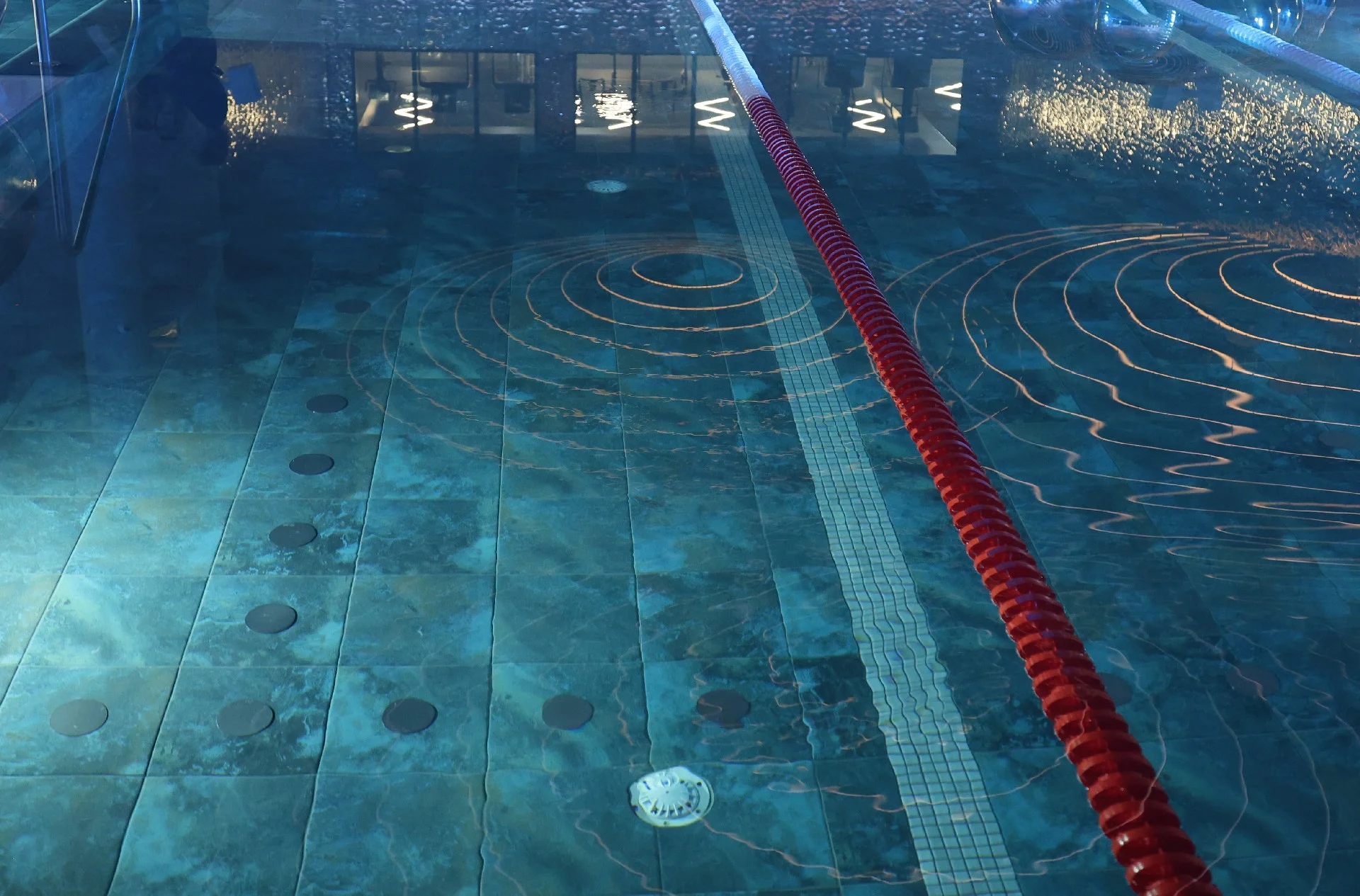
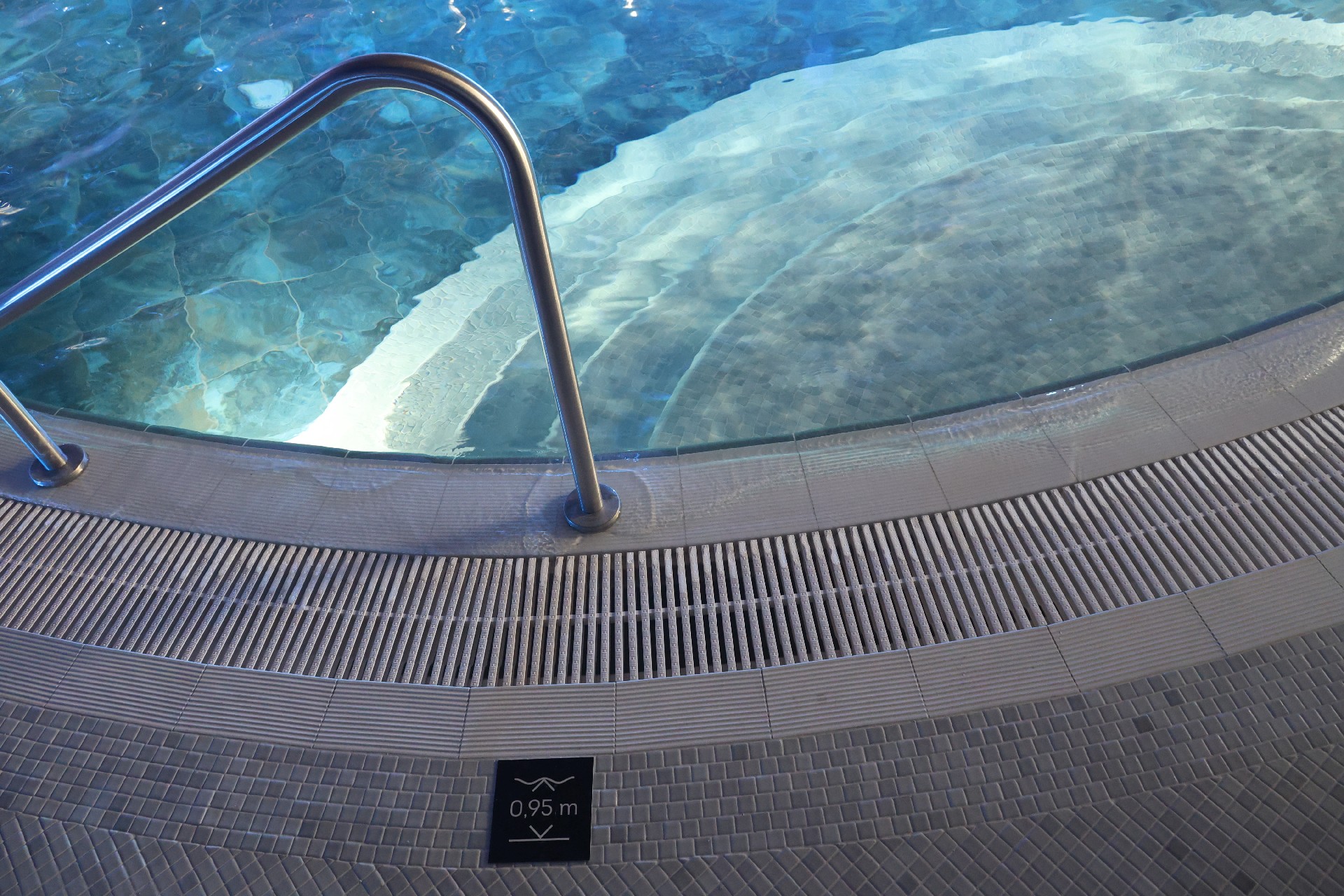
Residents in the Lithuanian city of Šiauliai are gaining unprecedented access to wellness facilities through a strategic partnership between the local municipality and the private sector. By bypassing the traditional route of constructing expensive, state-owned leisure centers, the city is instead investing over €300,000 this year to purchase more than 23,000 pool visits for specific groups of residents. This move marks a significant shift in how local governments can manage public health budgets while supporting local businesses.
The initiative is designed to tackle chronic illness and promote physical activity among those who need it most. Rather than maintaining a costly municipal building, the city has partnered with the “Tichė vandens namai” pool, allowing the local government to focus its resources directly on service delivery rather than infrastructure maintenance.
Who Qualifies for Free Pool Access?
The program is strictly targeted toward residents who can benefit most from regular hydrotherapy and swimming. Eligibility is primarily determined by health risk factors or age-related wellness programs. Currently, the free services are available to two main groups:

- Preventative Health Participants: Individuals who have completed health strengthening programs for cardiovascular disease or diabetes prevention. This includes residents identified by medical specialists as having high blood pressure, elevated cholesterol or glucose levels, and those struggling with obesity or a high Body Mass Index (BMI).
- Social Prescription Participants: Seniors who have reached the legal retirement age and are participating in the Public Health Bureau’s “Social Prescription” activities. This initiative encourages older adults to engage in physical activity and social interaction to combat loneliness and maintain emotional well-being.
The Šiauliai City Public Health Bureau is responsible for the administration and coordination of these visits, ensuring that the process is seamless for the residents and that the health outcomes are monitored.
Private Infrastructure for Public Benefit
The economic logic behind this partnership is a central point of pride for the local administration. By utilizing an existing private facility, the city avoids the multi-million euro capital expenditure required to build a new swimming complex, as well as the ongoing operational deficits that often plague municipal pools.
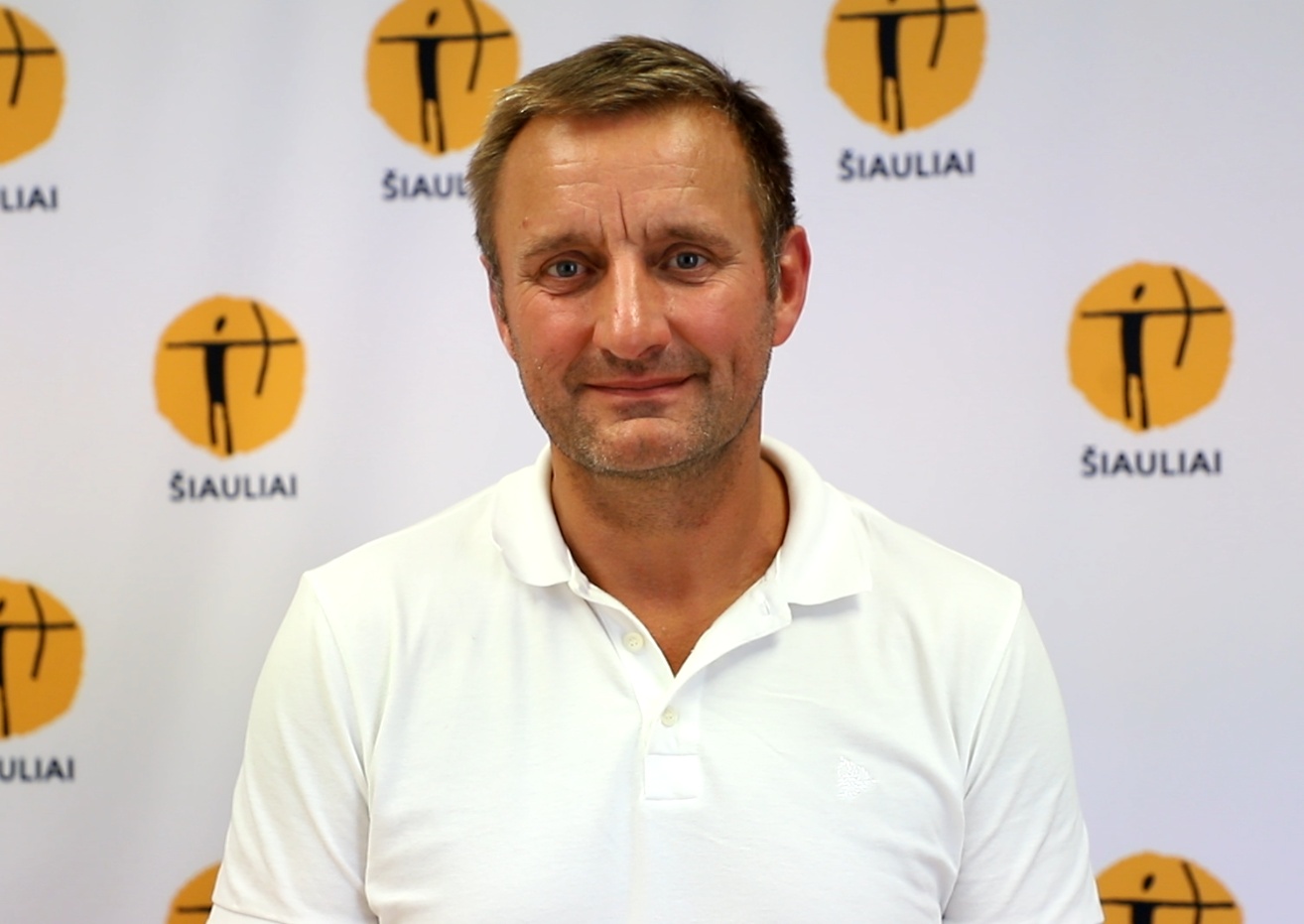
Mayor Artūras Visockas has been vocal about the success of this synergy, noting that the model allows for 100% optimization of public funds. “The city did not need to build a pool costing millions; that investment was made by private business,” Visockas explained. “A portion of the funds we would have spent on maintenance costs for our own facility can now be directed toward the actual health of our residents.”
This approach mirrors modern “Social Prescribing” models seen in other European nations, including the UK, where GPs and health workers refer patients to non-clinical community services to improve their health and wellbeing. In Šiauliai, the focus is on making these services accessible to those who might otherwise be priced out of private wellness clubs.
Future Implications for National Health Policy
The success in Šiauliai is beginning to catch the attention of national policymakers. The city’s administration believes this model of public-private partnership (PPP) could serve as a blueprint for the entire country. By leveraging private sector efficiency to meet public health goals, the municipality is demonstrating a way to provide high-quality services without the long-term debt associated with large-scale construction projects.
Mayor Visockas has suggested that the Ministries of Health and Social Security should examine this cooperation model. If adopted at a national level, it could change how preventative medicine is funded across Lithuania, moving away from a focus on hospital-based care toward community-based wellness and active prevention. For the residents of Šiauliai, the immediate result is a healthier community and a more efficient use of their tax euros.
Source: ELTA


Comments