
Garden Quotes That Turn Early Summer Into a Practical Reflection on Care
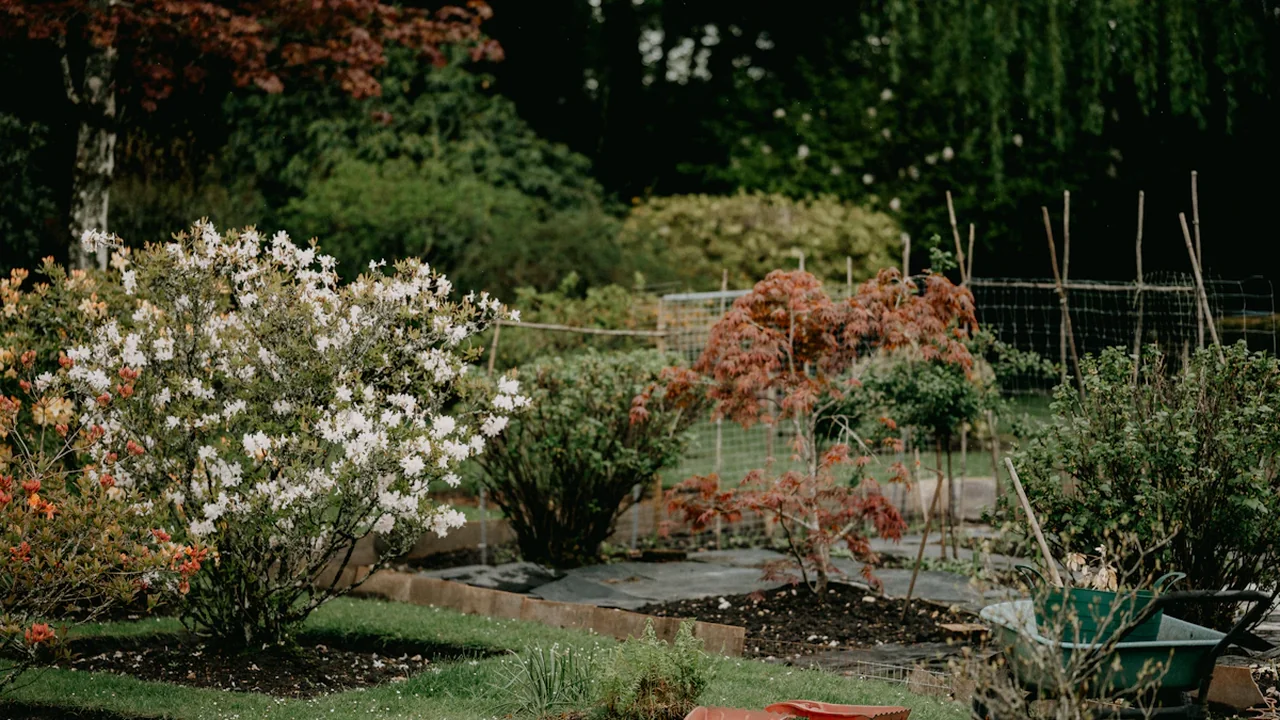
As the light lingers into the long evenings of early summer, the garden shifts from the frantic, high-energy phase of spring planting into a steady, rhythmic cycle of maintenance. For those tending to balcony containers, park-side allotments, or established flower beds, this transition offers more than just aesthetic pleasure. It serves as a natural, grounding metaphor for the patience required in our professional and personal routines, reminding us that growth is a process defined by timing rather than sheer force of will.
The Wisdom of Sustained Attention
Gardening teaches us that growth is rarely linear. Just as a perennial requires consistent watering, mulching, and weeding long before the first bud appears, our own projects often demand a quiet, unglamorous period of foundation-building. In an era that prioritizes immediate results, the garden demands a different pace.
- On Planting for the Future: “To plant a garden is to believe in tomorrow,” Audrey Hepburn once noted. This perspective reminds us that even when progress feels invisible, the act of tending is a form of future-building. It encourages us to invest in long-term goals that may not yield immediate gratification.
- On the Value of Slowing Down: As the writer May Sarton observed, “Everything that slows us down and forces patience, everything that sets us back into the slow circles of nature, is a help.” In a high-speed digital world, the garden acts as a necessary anchor, forcing us to sync our internal clocks with the natural world.
Turning Reflection Into Routine
Applying these garden-based metaphors to daily life can fundamentally change how we approach challenges. When you feel the pressure of an impending deadline or the friction of a complex family dynamic, consider the “weeding” process. Just as removing an invasive plant provides space for a healthy one to thrive, identifying and removing non-essential stressors in your schedule can clear the path for your most important work. This is not merely about productivity; it is about resource allocation. If you are over-committing your time, you are essentially over-crowding your garden bed, leaving no room for your most vital projects to reach maturity.
Seasonal Maintenance Habits
Early summer is the ideal time to audit your own “growth” conditions. Much like a gardener assesses soil moisture and sunlight exposure, you can review your own environment. Are you providing yourself with the right resources? Are you allowing for enough rest between periods of high activity?
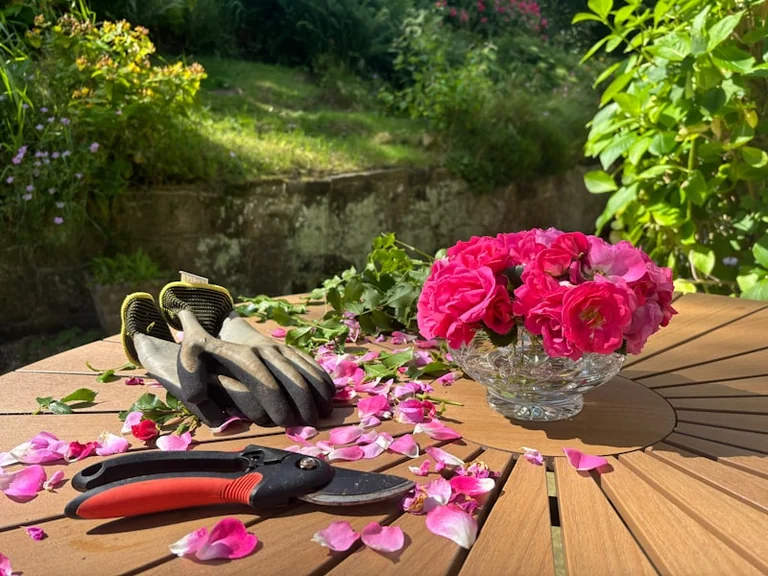
- Observe: Spend ten minutes each day in your garden or a local green space without a phone. Notice the subtle changes in leaf color or stem height. This practice of observation trains the brain to recognize incremental progress.
- Reflect: Use this time to consider which of your current projects are in a “blooming” phase and which require the quiet, steady work of root-strengthening. Not every project needs to be in a state of visible expansion.
- Adjust: If a plant is struggling, you move it to a better spot. If you are struggling, identify the environmental change—perhaps a different workspace, a boundary regarding your digital availability, or a new morning routine—that might offer better support.
Practical Implications for Daily Life
To integrate these lessons, consider the following table as a guide for translating garden maintenance into personal development:
| Garden Task | Personal Application | Expected Outcome |
|---|---|---|
| Deadheading | Removing obsolete tasks | Increased energy for new growth |
| Deep Watering | Focused, deep-work sessions | Stronger foundation for projects |
| Mulching | Protecting your mental space | Resilience against external stress |
| Pruning | Eliminating non-essential commitments | Clarity and improved focus |
By viewing our care for plants as a mirror for our own lives, we find that the garden is not just a place to visit, but a practice to inhabit. It remains a constant reminder that with the right attention, even the busiest lives can find a sustainable rhythm, proving that patience is often the most effective tool in any gardener’s shed.
Source: Editorial research
Context & actions About this article
Source check Contextual Reflection
This article draws on historical literary perspectives and horticultural observation to provide practical life insights.
- Verify historical quotes via literary databases
- Observe seasonal garden growth cycles in UK climate
- Source
- Royal Horticultural Society
- Scope
- United Kingdom
- Updated
- 2026-06-09 10:13
Source check
Report a trust issue
Send a clear signal to community moderation if the source, facts or context need review.




Comments